

The foldable smartphone market is set for its biggest showdown yet, as the latest rumors surrounding Samsung and Apple reveal that the two tech giants are preparing new premium devices aimed at dominating the next generation of mobile phones. The focus now is on the rumored Galaxy Z Fold 8 Ultra , a device that appears to be created as a direct response to Apple's much-talked-about foldable "iPhone Ultra."
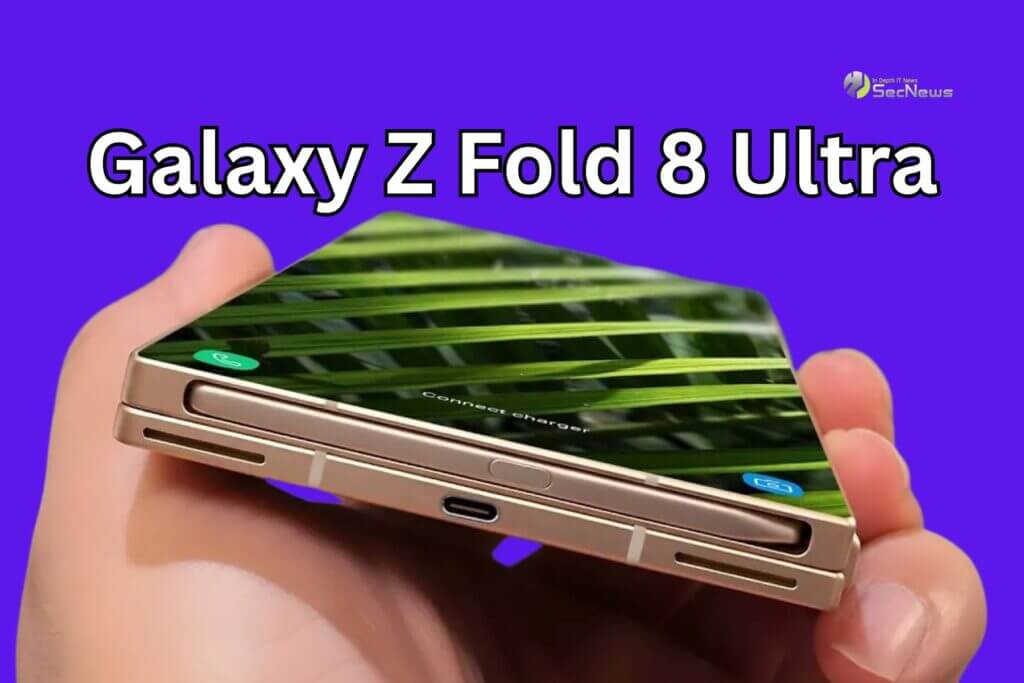
Recent reports suggest that Samsung may be changing its naming strategy for the Fold series, attempting to position the new model in the top premium segment. However, this approach seems to raise several questions about what the “Ultra” designation actually means now.
See also: Delay in production of foldable iPhone due to hinge problems
Apple seems to be influencing the entire foldables market
Although Apple has not officially announced any foldable iPhone, leaks surrounding its first foldable model have already begun to affect the entire industry.
The so-called “iPhone Ultra” is rumored to take a different design approach than most Android foldables. Instead of the tall and narrow form factor that Samsung currently follows, Apple appears to be considering a more “wide” screen ratio, similar to what previous devices like the first Google Pixel Fold and the Oppo Find N
This design philosophy has been largely abandoned in the Android ecosystem due to app compatibility issues and difficulties with the multitasking experience. However, several companies seem to believe that the market is now more ripe for a return of this format.
The Galaxy Z Fold 8 Ultra might not be what we expected
Until recently, most leaks reported that Samsung was working on a new model called the “Galaxy Z Fold 8 Wide,” which would utilize exactly this wider design to compete with the future foldable iPhone.
However, according to well-known leaker Ice Universe, Samsung seems to be finally changing direction. The latest information indicates that the company is considering releasing a Galaxy Z Fold 8 Ultra, which will not necessarily involve the new “wide” format, but an upgraded version of the classic Fold design that we already know.
This choice seems strange at first glance, especially since Samsung's new strategy seems to be heavily influenced by Apple. However, there are specific reasons that may explain this differentiation.
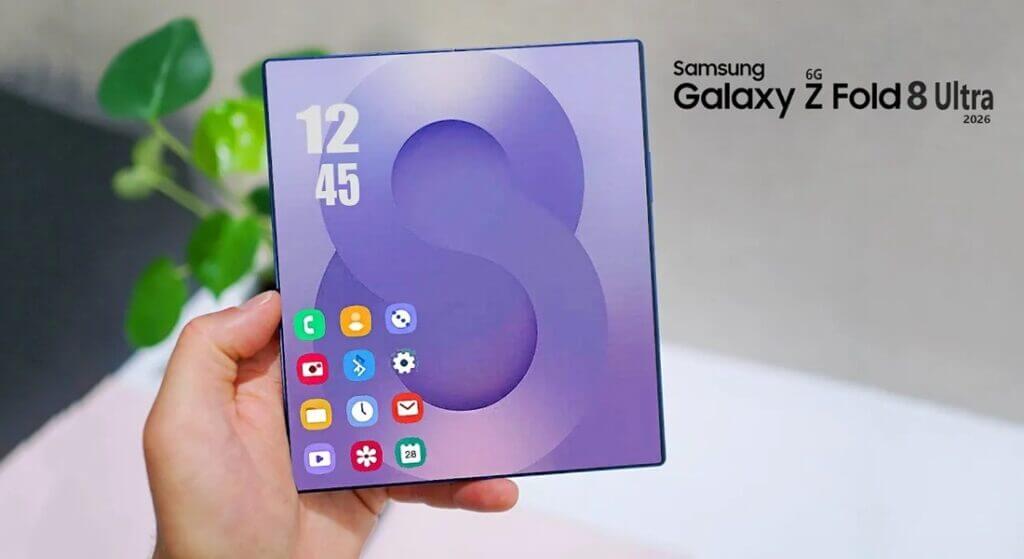
“Ultra” branding raises new questions
One of the biggest issues concerns the device's specifications. According to leaks so far, Samsung's new "wide" model may feature just two cameras and a 4,800mAh battery, while the basic Galaxy Z Fold 8 is expected to retain a triple camera system and a larger 5,000mAh battery.
See also: iPhone Ultra: The most repairable foldable phone
This means that Samsung will have a hard time justifying the “Ultra” designation for a device that may lag behind in some hardware features compared to the standard model.
The situation becomes even more complicated if one compares the device to the upcoming Galaxy S26 Ultra, which is expected to continue to be the company's flagship in the field of camera, autonomy and premium features.
Thus, Samsung seems to be facing a difficult dilemma: use “Ultra” as a marketing term for its new premium foldable experience or maintain a clearer distinction between flagship devices .
The new battle of foldables is just beginning
The foldable smartphone market is at a critical juncture. For years, foldable devices have been seen more as technological showcases than truly mainstream products. But Apple's entry into the category seems to be changing that.
Samsung still maintains a significant lead thanks to its years of experience in foldables, but it knows that the first foldable iPhone could transform the entire market within a few months.
See also: Huawei Pura X Max: The first wide foldable smartphone on the market
That's why the company seems to be investing not only in new hardware but also in stronger branding, more premium design, and differentiation of the Fold series.
The possible Galaxy Z Fold 8 Ultra may be Samsung's first real attempt to turn foldables into ultra-premium devices that will compete not only with other Android smartphones but also with Apple's future foldable ecosystem.
The only thing certain is that the next two years are expected to radically change the way we perceive high-end smartphones.
