

Apple 's long-awaited iPhone Fold will feature Touch ID instead of Face ID in order to support a thinner front display, according to new reports from Bloomberg . The device is expected to feature an iPad -like interface that will allow users to view apps side by side, while the external display will be similar in size to a small iPhone . The strategic move represents a significant departure from Apple 's traditional approach to new product categories, as the company enters the foldable device market after nearly a decade of discussions and development.
See also: 2026: Samsung 'Wide Fold' vs. iPhone Fold
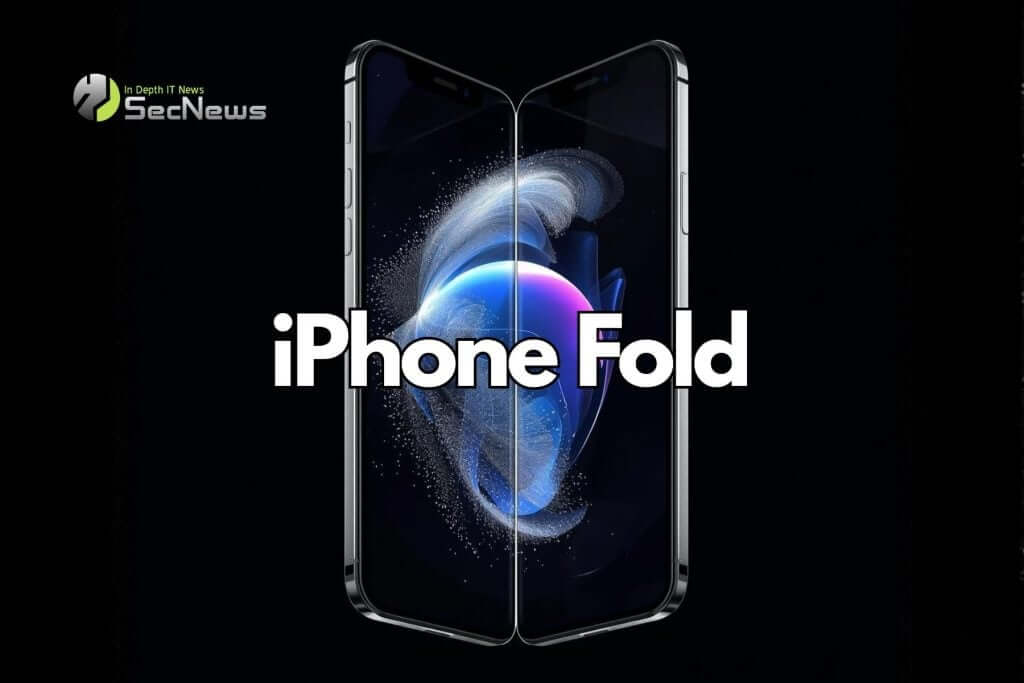
The iPhone Fold 's internal display will feature a wider aspect ratio, similar to Google 's first-generation Pixel Fold , but different from current flagship foldables like the Pixel Fold 10 or Galaxy Z Fold 7. Despite the updated layout that will make multitasking easier, the foldable iPhone will not run existing iPad apps . This decision seems aimed at creating a distinct user experience that will differentiate the iPhone Fold from the company's existing products, while maintaining the coherence of the iOS ecosystem .
Apple is working to update its core apps to take advantage of the phone's larger screen by adding a sidebar to the left side. Developers will also be able to make iPhone of their apps more similar to iPad. This approach reflects the company's strategy of creating a unified user experience across all of its devices, while also giving developers new opportunities for innovative apps that take full advantage of the foldable form factor.
See also: Possible iPhone Fold CAD drawings leaked
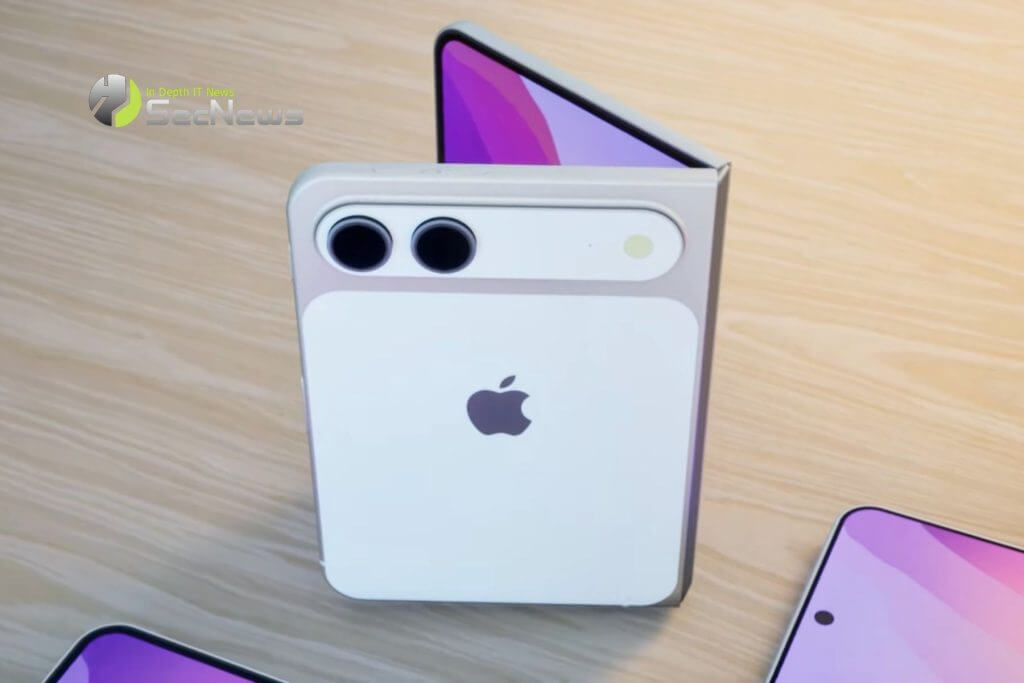
Release Timeline and Competitive Landscape
The iPhone Fold is expected to debut in September 2026 alongside the iPhone 18 lineup . Multiple supply chain reports support this fall 2026 time window , though some analysts admit that delays into early 2027 remain possible if production challenges arise. This extended development timeline reflects Apple 's historical pattern of entering new categories only after refining core technologies to meet its strict standards, rather than rushing to market with early releases.
Apple 's entry into foldables comes after Android manufacturers have already established a competitive market. Samsung 's Galaxy Z Fold series and Google 's Pixel Fold have dominated the category, with Samsung recently releasing the Galaxy Z Fold 7. The foldable smartphone market has matured significantly, with competitors addressing early concerns about durability and improving display technology.
See also: iPhone and iPad: The first consumer devices for classified NATO data

Production readiness depends heavily on display yield rates and hinge mechanisms that can meet Apple. Mass production is targeted for the second half of 2026.Prototype testing is rumored to have begun as early as 2024, with Apple evaluating hinge durability, fold visibility, and long-term reliability. This extensive testing reflects the company’s commitment to avoiding the problems other manufacturers faced with early generations of foldable devices.
