

WhatsApp for everyday communication, but its large user base has also made it an attractive target for cybercriminals. Scammers use messages, phone calls, fake profiles, links and social engineering to try to convince victims to either reveal personal information or transfer money.
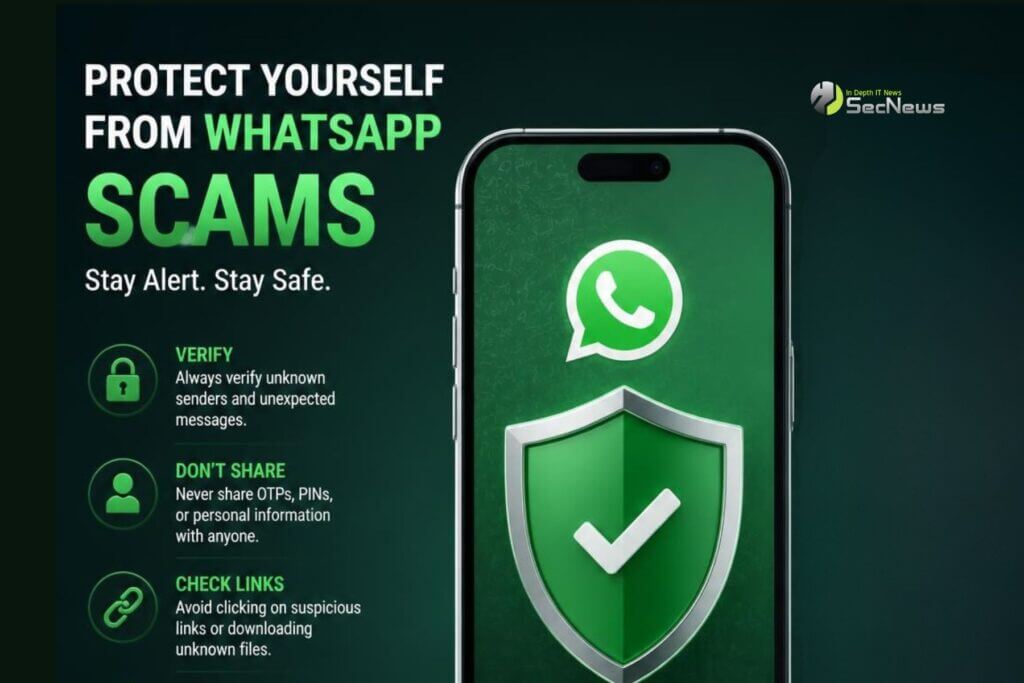
The problem is that many of these attacks don't require advanced hacking techniques. Often, a convincing message and a little time pressure. That's why recognizing the key signs of a scam is the first line of defense.
The most common scams on WhatsApp
One of the most common methods is impersonating a known person. The scammer may use a photo and name of a relative or friend and send a message asking for money urgently. There is usually an excuse, such as a lost phone, a problem with a bank account, or a need for immediate payment.
Another common technique involves fake messages from companies or services. The user may be informed that they have won a prize, that there is a problem with an order, or that they need to confirm information for an account.
See also: WhatsApp: Save unencrypted chat history on iPhone and Mac
Messages containing suspicious links. They may lead to websites that imitate banks, online stores or popular services, with the aim of stealing passwords and card details.
Don't trust a message just because it seems personal
The appearance of a message is not proof that it came from the person listed on the screen. Scammers can use stolen photos, names, and social media information to create an extremely convincing profile.
If someone you know asks for money or an urgent action via WhatsApp, contact them through a different channel. A phone call to their real number or a confirmation via another app can immediately reveal the scam.
Pay special attention to verification codes
One of the most dangerous targets for scammers is the verification code WhatsApp. They may contact you and claim that a code was sent to you by mistake or that you need to confirm it.
This code is personal. You should not share it with anyone, even if the person you are talking to claims to be a friend, relative, or representative of a service.
If someone gains access to your account, they may try to scam your contacts using your identity.

Activate additional protection
An important step is to enable two-step verification in WhatsApp settings. This adds an extra layer of protection to your account, beyond the code used to verify your phone number.
At the same time, it's a good idea to regularly check which devices are connected to your. If a device you don't recognize appears, it should be disconnected immediately.
See also: WhatsApp: Tests messages that disappear after reading
🔒 Protect your privacy with Proton VPN
Swiss VPN from the creators of Proton Mail — strict no-logs policy, strong encryption, and built-in NetShield that blocks ads, trackers, & malware.
- ✔ No-logs, based in Switzerland (except 14-Eyes)
- ✔ NetShield: blocks ads, trackers & malicious domains
- ✔ Covers all devices — free version available
The link is an affiliate link — SecNews may receive a commission at no additional cost to you. It does not affect the independence of our article writing.
Don't click on links hastily
Haste is one of the most important weapons of scammers. A message may claim that you need to pay a fine immediately, confirm an order, or prevent an account from being closed.
Before opening a link, carefully check the sender and the website address. Even better, when it comes to a bank or other important service, open the official app yourself or manually type in the known address of the service.
What to do if you have already been a victim
If you have already given out passwords, personal information, or banking information, don't wait to see if anything happens. Change the relevant passwords immediately, disconnect unknown devices, and contact your if financial information has been exposed.
If your WhatsApp account has been hacked, inform your contacts via another means of communication so that they do not trust any suspicious messages that may be sent from your account.
See also: Meta offers limited free access to competing AI chatbots on WhatsApp

The best defense is affirmation
WhatsApp scams rely more on deception than technological sophistication. An urgent message, a familiar photo, or a convincing claim should not lead to hasty decisions.
The basic principle is simple: don't share passwords, don't send money without independent confirmation, and don't open suspicious links. A few seconds of checking can prevent a scam that could be much more costly.
