The trial production of Apple's long-awaited foldable iPhone, likely to be called the "iPhone Ultra," is facing significant engineering issues related to the reliability of the hinge, according to a well-known leaker.
See also: Report supports "possibility" of screen distortion on iPhone 20

A leaker named “Instant Digital” posted on Weibo that the foldable device’s hinge consistently fails to meet Apple’s quality control standards under conditions of prolonged, high-frequency opening and closing. The leaker described the mechanical wear issue as something that “must be resolved with absolute perfection, otherwise progress will have to temporarily halt.”
The hinge has been a key focus of Apple's foldable development for years. Supply chain analyst Ming-Chi Kuo was the first to report that the device will use Liquid Metal in the hinge mechanism, with Dongguan EonTec acting as the exclusive supplier of the amorphous alloy. Instant Digital further analyzed that the material, also known as metallic glass, has an unsorted atomic structure that is more resistant to bending and deformation than traditional metals and more durable than titanium alloy. This makes it suitable for a foldable's hinge.
Apple has previously used the material only in small components, such as SIM ejector pins, so the iPhone Ultra would mark its first major use in a critical mechanical part. A subsequent report in January confirmed the plans for the liquid metal hinge, noting that Apple has been exploring the material for over 15 years, beginning with a 2010 licensing deal with Liquidmetal Technologies.
Creases in the display have been an issue that has dogged the foldable smartphone category since its inception. Instant Digital says Apple has essentially accepted some degree of crease as inevitable, but test results have shown that the device can maintain a visually crease-free state in the long term. This aligns with previous reports: leaker “Fixed Focus Digital” reported in February that production orders had been placed with crease depths below 0.15mm and crease angles below 2.5 degrees.
See also: iPhone Ultra: The most repairable foldable phone
Apple is reportedly seeking to eliminate the “no matter the cost” aspect, with mechanical solutions that include a dual-layer ultra-thin glass structure designed to distribute mechanical stress across multiple layers, and advances in optically clear adhesive to keep the display layers in precise alignment.
A subsequent post from the leaker suggested that the hinge issues are unlikely to delay the device's expected release date, noting that there's still plenty of time. This is broadly consistent with previous reports: DigiTimes reported in April that production was delayed by about one to two months, but that a fall 2026 release remained on the cards, with mass production set to begin in July.
Apple is expected to announce the foldable iPhone alongside the iPhone 18 Pro models at its September event, although some reports suggest that availability for customers could be delayed until December.
In a third post, Instant Digital offered a note on the device's experience, suggesting that despite the larger form factor, the foldable feels more like an iPhone than an iPad in use. The leaker added that the screen size offers limited practicality for a stylus, calling into question whether Apple Pencil support would be an essential feature for the device.
See also: The foldable iPhone will have an OLED display from Samsung

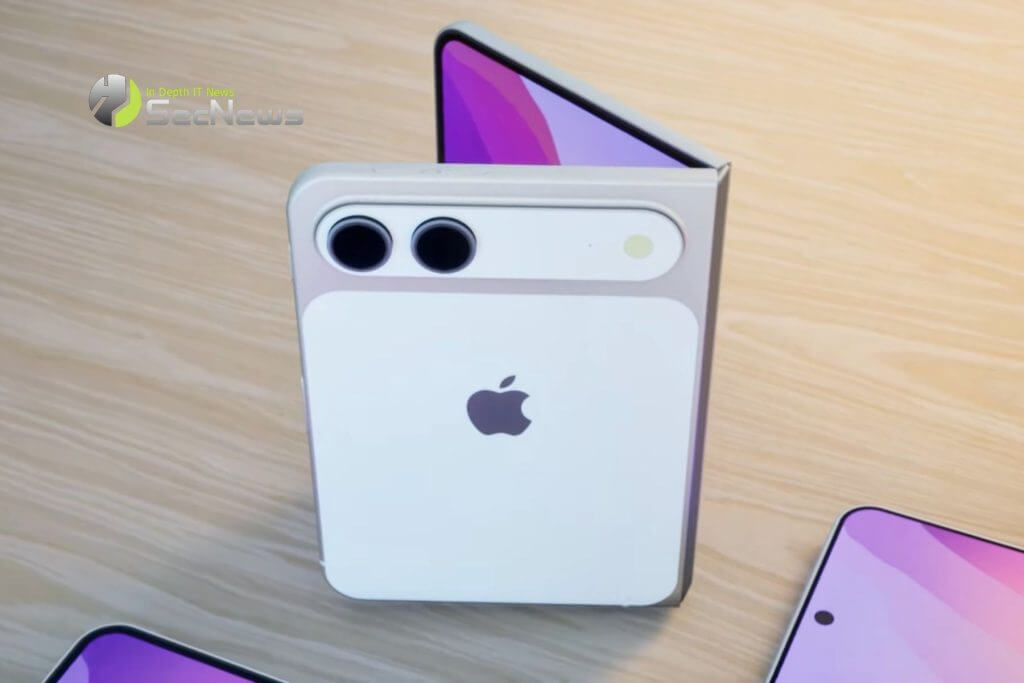
The foldable iPhone is expected to feature a 7.8-inch internal display and a 5.5-inch external display, with an A20 chip, C2 modem, Touch ID button, and dual rear cameras. The price is rumored to be around $2,000.