

After three weeks of deliberations, the jury decided that Musk filed his lawsuit against OpenAI too late.
See also: Greg Brockman in court: Revelations about OpenAI
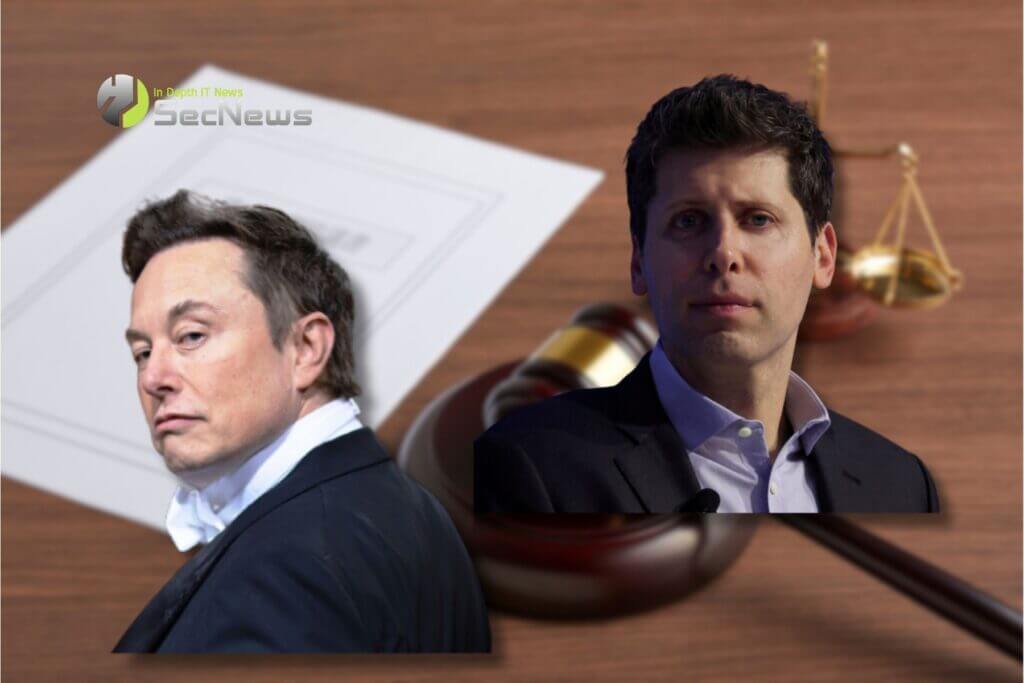
On Monday, the jury in Musk v. Altman reached a unanimous advisory verdict that Musk filed his lawsuit against OpenAI too late, and therefore his claims are barred by applicable statutes of limitations. U.S. District Court Judge Yvonne Gonzalez Rogersimmediately upheld the verdict.
Musk announced to X that he would appeal the decision. “The judge and jury never ruled on the merits of the case, only a technicality in the log,” he wrote.
OpenAI was founded by Musk and a team of researchers in 2015 as a non-profit organization with a mission to develop artificial intelligence for the benefit of humanity, unconstrained by the need for financial returns. Musk donated $38 million to the company in its early years, supposedly based on a promise from OpenAI CEO Sam Altman and president Greg Brockman to keep the company non-profit and dedicated to its mission.
Musk filed two claims against OpenAI. First, he alleged that Altman and Brockman violated the charitable trust he created through his donations, breaking their promise to keep the company non-profit and creating a for-profit subsidiary that grew over the years. Second, he alleged that Altman and Brockman unjustly enriched themselves at Musk’s expense. He filed suit against OpenAI in 2024.
See also: Musk v. Altman: Jurors declare "we don't like Elon Musk"

Musk asked the court to overturn OpenAI's 2025 restructuring that transformed the for-profit subsidiary into a public benefit corporation and to remove Altman and Brockman from their positions.
OpenAI argued that Musk was too late in filing his lawsuit against the company, and therefore each of his claims is barred by the applicable statute of limitations. The statute of limitations for the breach of charitable trust claim is three years, while the unjust enrichment claim is two years. This means that Musk should have discovered, or had reason to have discovered, the alleged breach of charitable trust by Altman and Brockman by 2021 at the latest, and the alleged unjust enrichment by 2022 at the latest.
While Musk claimed he only discovered that Altman and Brockman had broken their promise in 2022, OpenAI claimed Musk had reason to believe this well before 2021.
Musk told the jury that he went through “three phases” in his beliefs about OpenAI: In the first phase, he was “enthusiastically supportive” of the company. In the second phase, “I started to lose confidence that they were telling me the truth,” he said. In the third phase, “I’m convinced they’re looting the nonprofit.”
In 2017, two years after founding OpenAI, Musk and his other co-founders tried to create a for-profit subsidiary to raise enough capital to develop artificial general intelligence — strong AI that can compete with humans at most cognitive tasks. They fought a bitter power struggle over who would control the entity. Musk also proposed merging OpenAI with his electric car company, Tesla.
See also: Florida: OpenAI under investigation for national security and child protection

During the trial, OpenAI lawyers pressed Musk about these discussions, suggesting that Musk knew in 2017 about Altman and Brockman's plans to change the company's course – and even participated in those plans – and had reason to file a lawsuit at the time.
