

Starlink V3 is at the center of a critical mission for SpaceX, which is preparing to launch the first of its next-generation constellation of satellites. The mission comes at a particularly critical time for the industry, as rival Amazon Leo is struggling with launch partners and is losing ground to Elon Musk. With 26 new satellites set to launch aboard Starship, SpaceX aims to further cement its leadership in the satellite internet market.
See also: Amazon Kuiper: Enough satellites to compete with Starlink
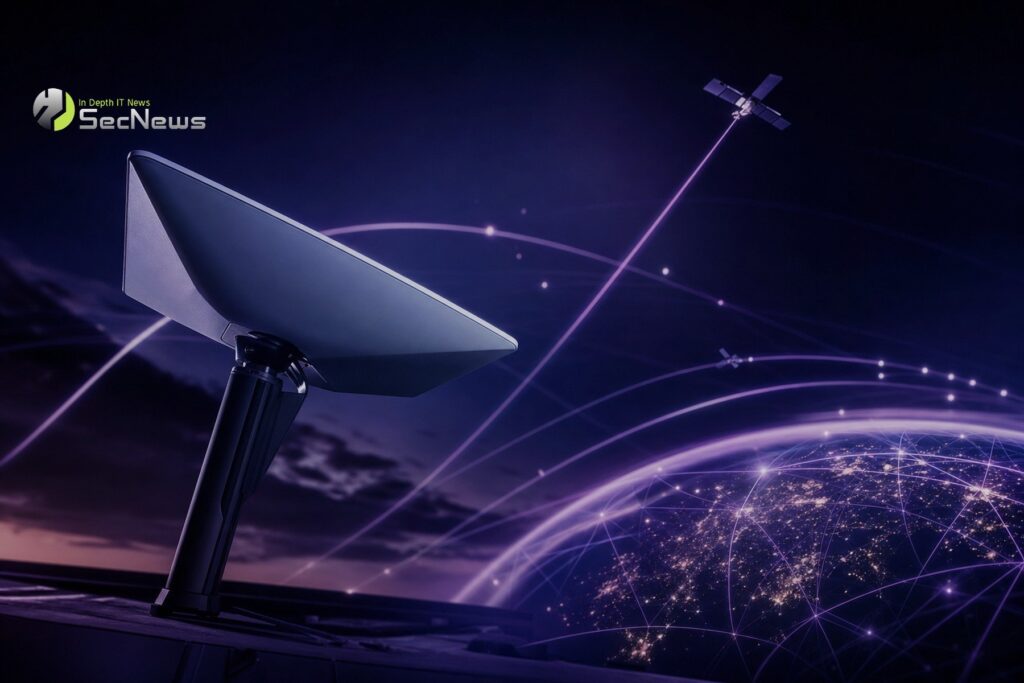
The significance of this mission isn’t just limited to the new satellites. SpaceX will attempt to deploy Starship into Earth orbit for the first time, a milestone that will open up new horizons for the company’s future missions. Starlink V3 promises significant improvements over previous generations of satellites, both in data transmission speed and capacity, which will further strengthen Starlink.
It’s worth noting that Starlink already has over 11,000 satellites in operation, a number that makes its constellation the largest in human history. Since July 2nd, SpaceX has launched 552 additional Starlink satellites, demonstrating the company’s impressive pace of growth. In contrast, Amazon Leo has managed to put just 396 satellites in total, a number that seems particularly small in comparison. As for Starlink V3,
Starlink V3: What the new satellites bring
The Starlink V3 represent a significant technological leap for SpaceX. The new generation of satellites features improved antennas, more processing power, and enhanced communication capabilities between satellites, known as inter-satellite links. These improvements allow for faster data routing and reduced latency,which is critical for applications such as online gaming, video calling, and professional cloud applications.
Using Starship as a launch vehicle for the Starlink V3 is revolutionary in itself. Starship, as the largest and most powerful spacecraft ever built, can carry a much larger payload compared to the previous Falcon 9 used by SpaceX. This means that in the future, the company will be able to launch more satellites per mission, reducing costs and accelerating the development of the constellation.
The successful deployment of Starship in orbit would also be a major step for SpaceX 's future plans , which include missions to the Moon and Mars. NASA has already selected Starship as the lunar landing vehicle for the Artemis program , making any successful test particularly important for future US space plans . In relation to Starlink V3 ,
See also: American Airlines gets Wi-Fi from SpaceX's Starlink
Starlink V3 vs Amazon Leo: The battle of satellite internet
While Starlink V3 is moving forward at a rapid pace, Amazon Leo faces a number of serious obstacles that are significantly delaying its development. The last successful launch of Amazon Leo took place on July 2 , with 29 satellites being carried into orbit by a United Launch Alliance (ULA) Atlas V rocket . Since then, twelve weeks have passed without any new launches, a situation that does not show signs of improving anytime soon.
Amazon Leo 's problems with launch partners are multiple and serious. ULA 's Vulcan rocket , the successor to the Atlas V , has been grounded by the US Space Force since February 2026 after a booster malfunction that is still under investigation. Meanwhile, Blue Origin , the space company of Amazon founder Jeff Bezos , also has a contract to launch Leo satellites, but its New Glenn rocket has also been grounded since May when its sole launch pad was destroyed. The Case of Starlink V3
Amazon has attempted to address these issues by ordering six additional launches from Arianespace for the Ariane 64, bringing the total number of contracted launches from 18 to 24.However, this solution is also facing delays due to problems with an unspecified component of the Ariane 6, which are expected to affect launches for the rest of 2026.In fact, 36 Leo satellites that were expected to launch on Ariane 64 in October have now been removed from the European space agency’s website.
The regulatory framework adds further pressure on Amazon. The company has already received an extension to the FCC to launch half of its planned 3,232 satellites , but that extension came with the stipulation that the company must move quickly. Amazon had said the nearly 400 satellites it has in orbit are enough to power a limited version of its internet service, but its “mid-2026” deadline for commercial availability has passed without any announcement.
The gap between Starlink and Amazon Leo isn’t just numerical — it’s strategic. Starlink has already established itself as the dominant satellite internet worldwide, with millions of subscribers in dozens of countries, including Greece. The service is widely used in remote areas, on ships, on airplanes, and even in military operations. In contrast, Amazon Leo has yet to begin commercial operation, losing valuable time and market.
According to The Verge , at the current pace of development, it will be years before Amazon Leo can seriously compete with Starlink on a global scale. That doesn't mean Amazon has lost the battle — the company has vast resources and expertise — but the delay gives SpaceX a significant lead that will be difficult to counter.
See also: Apple and Amazon team up to compete with Starlink
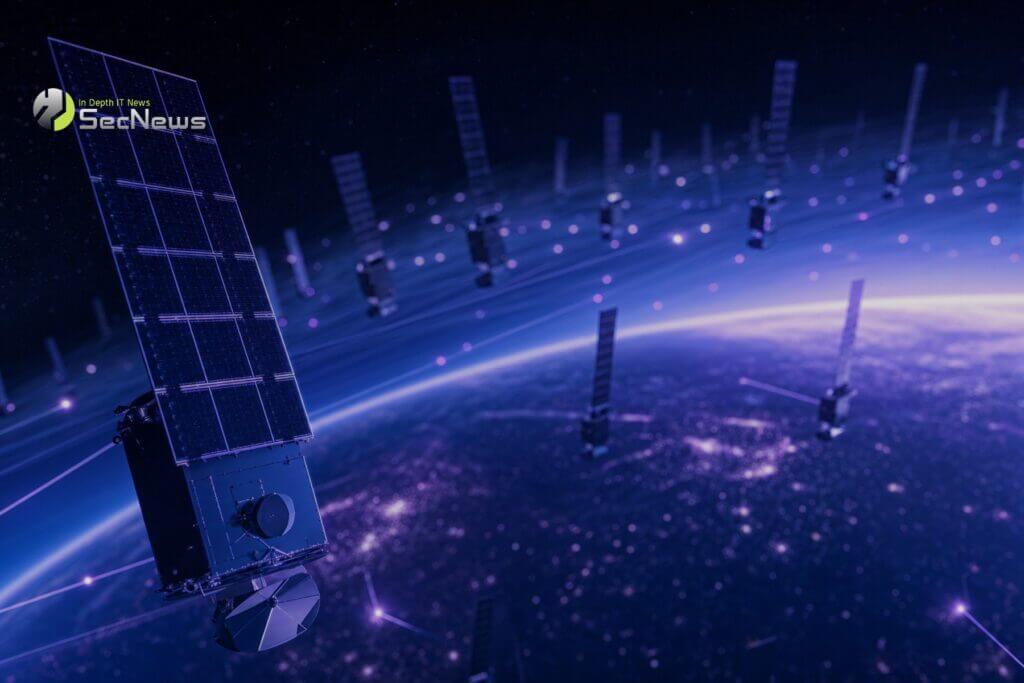
In summary, the launch of the first Starlink V3 marks a new era for satellite internet, with SpaceX further strengthening its leadership position. For consumers and businesses looking for reliable connectivity in remote areas, Starlink remains the most mature and available option. Amazon Leo, despite its ambitious prospects, will have to overcome significant obstacles before it becomes a real competitor in this market.
