

A report from the Korean supply chain claims that the bezel-less display intended for the iPhone 20 is an early version of the technology and there is a “possibility of screen distortion.” The report was updated from a previous version, which said that Apple was willing to accept a “compromise” on the 2027 model, with a better version planned for 2028.
See also: Rumors of a variable aperture camera on the iPhone 18 Pro
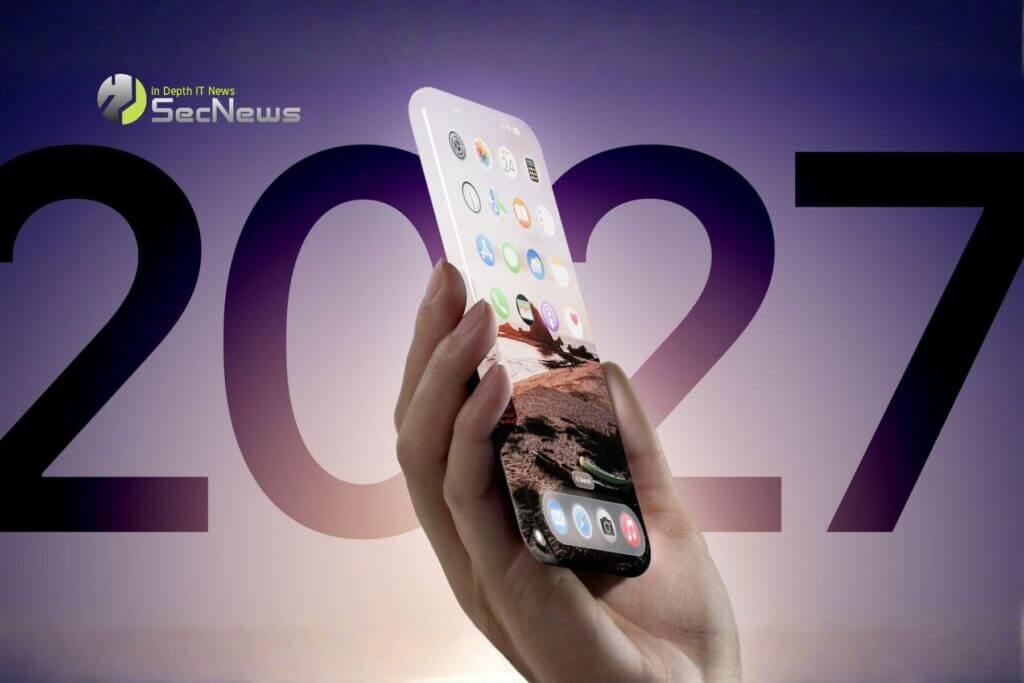
Initial reports suggested that we would see a 20th anniversary iPhone next year as a special edition, similar to the iPhone Air and the upcoming foldable iPhone Ultra. However, subsequent reports suggest that the features rumored for the model may be included in the iPhone 20 Pro and Pro Max.
The difference between the two is mostly a matter of branding – essentially, how much emphasis Apple will place on the new design. Nevertheless, the design is expected to be a significant step forward towards the company’s long-term goal of a phone that looks like “a single piece of glass.” The display is said to curve around the edges on all four sides to create the appearance of a bezel-less display.
In fact, there could be some kind of optical illusion similar to the one on the Apple Watch, where the curved edges aren’t actually part of the display. ETNews reports that Samsung and LG are preparing to manufacture the panels for the iPhone 20. The report suggests that there will be two different generations of the technology: one for the 2027 model and another for a 2028 update, but the details are a bit vague.
See also: Report: Apple will skip the 'iPhone 19' name for 'iPhone 20'
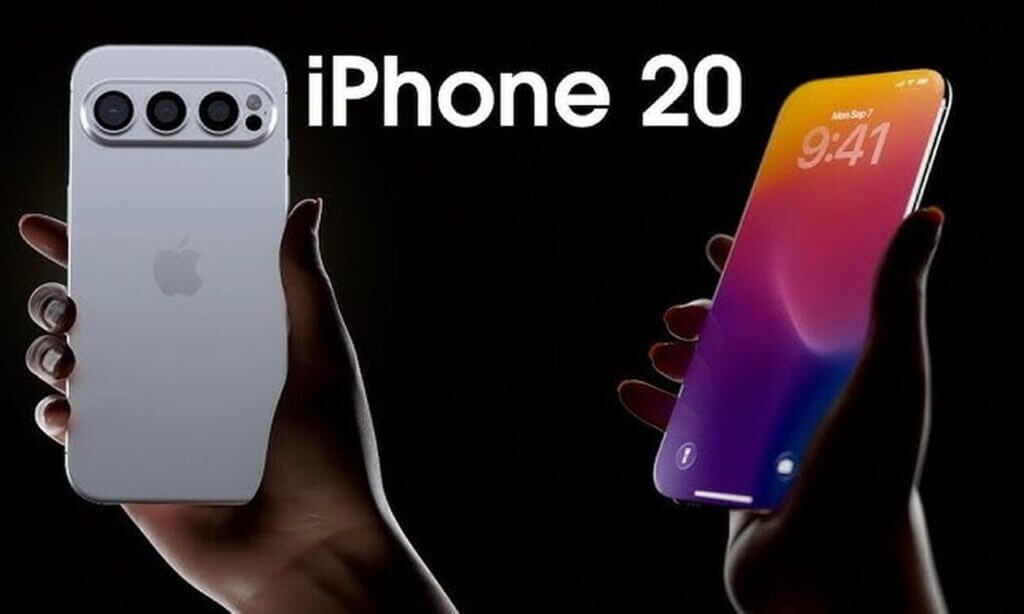
The initial version of the report indicated that the 2027 version would include "the possibility of screen distortion," which would be addressed in the 2028 model.
It suggested that Apple was willing to accept the “compromise” of a less-than-ideal display in order to launch next year. However, an updated version has removed that last comment. It now states: Apple plans to further develop its ‘4-sided curve’ display, which it plans to implement in the 20th anniversary iPhone next year, in 2028. Currently, the display’s cathode layer is made of an alloy of magnesium and gallium (Mg Ag).
In this case, there is a possibility of screen distortion in the 4-sided curve part, and the brightness (luminance per unit area) decreases. To address this issue, Apple plans to implement transparent electrodes by replacing the cathode layer of the screen with indium zinc oxide (IZO) in the 2028 product. This still suggests that the 2027 screen may have potential issues that will be resolved in next year's model, but the language is more cautious.
See also: iPhone 20: When will the anniversary model finally be released?
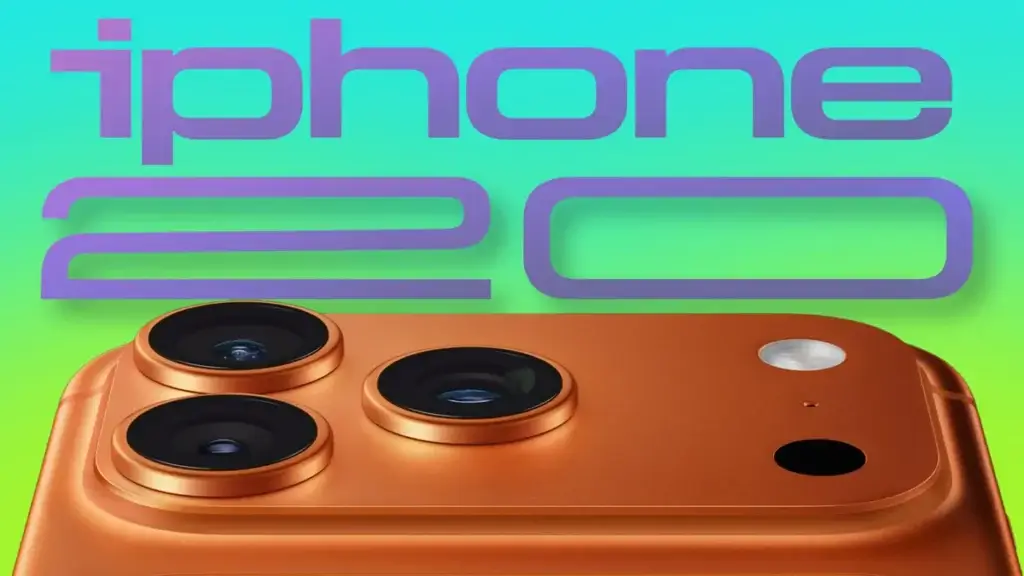
The report seems too vague to be reliable at this stage. We'll likely have a clearer understanding of the situation as the release date approaches.
