

Apple appears to be taking a decisive step towards entering the foldable device category , securing an exclusive partnership with Samsung to supply foldable OLED panels . According to reports, the agreement is for a period of three years and foresees that Apple will not work with other suppliers for this technology, at least for now. This decision is mainly attributed to the limited availability of reliable alternatives in the market.

Why Samsung is a one-way street
Samsung has already established itself as a pioneer in foldable displays, with years of experience from the series Galaxy Fold. This seems to have played a decisive role in its selection by Apple, which places particular emphasis on the quality and durability of its components. The information indicates that the panels to be used will be based on CoE (Color filter on Encapsulation) technology, which removes the polarizer and integrates a color filter directly into the encapsulation layer.
See also: iPhone Fold may be delayed until 2027 due to engineering issues
This technology is considered critical for foldable devices, as it reduces the risk of wear at the bend points, one of the main problems of the first generations of foldable smartphones.
An iPhone that opens like a book
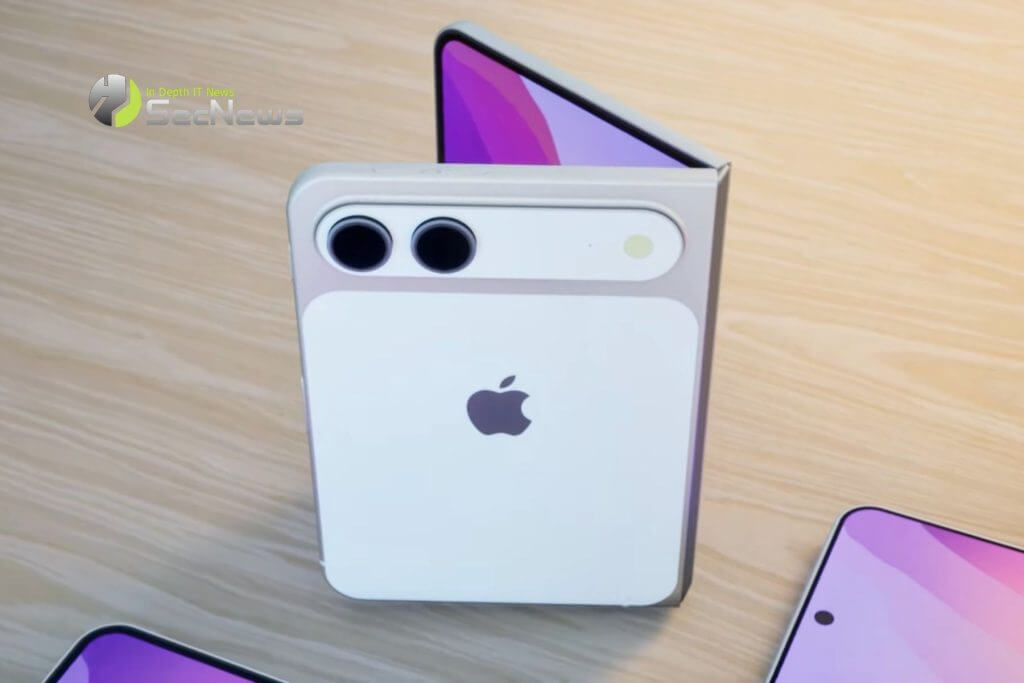
Current speculation suggests that Apple will introduce an iPhone with a book-like design that opens to reveal an internal display comparable in size to an iPad mini. The device is expected to target both productivity and content consumption, bringing the smartphone and tablet categories closer together.
In terms of materials, Apple appears to be taking a more conservative approach, using the proven M14 OLED materials found in its flagship models. This choice reduces development costs and enhances reliability, avoiding risks associated with new, untested technologies.
Foldable iPhone: Timeline and Production
Despite conflicting reports, the latest estimates suggest that the foldable iPhone is on track and could be unveiled at one of the company's upcoming fall launches. While some reports have suggested delays, industry sources say that Samsung's panel production will begin later this year, with an initial volume of around 3 million units.
See also: iPhone: iOS 26.4.1 update coming soon
This development suggests that, even if there are delays in final assembly, the supply chain is proceeding according to the original plan.
Apple's broader OLED strategy
The investment in OLED displays isn't limited to the foldable iPhone. Apple has already adopted the technology in products like the iPad Pro and Apple Watch, and it plans to expand its use to even more devices. The iPad mini is rumored to get an OLED display in the coming years, while the MacBook Pro is expected to be upgraded with OLED panels in a future redesign, possibly with touch support.
Even the MacBook Air is in the pipeline, albeit in the longer term. This gradual adoption shows that Apple is pursuing a full transition to more advanced display technologies, improving the user experience across all of its product categories.
Competition in the foldables market
Apple's entry into the foldable device category is expected to reshape the competition. To date, companies like Samsung and other Android manufacturers have the lead, having already introduced several generations of foldable devices.
Apple, however, is known for its tactic of entering a market when the technology is mature, offering more complete and reliable solutions. If the foldable iPhone manages to combine durability, performance and user experience, it could act as a catalyst for mass adoption of the category.
See also: iPhone Fold enters test production phase

The bet of the next decade
The deal with Samsung and the development of a foldable iPhone are not just a new addition to Apple's lineup, but a strategic move for the future of mobile devices. As users seek larger screens without sacrificing portability, foldables could be the next big thing in the market.
For Apple, the challenge is twofold: to maintain the quality that characterizes its products and at the same time to innovate in a category that is still in its development phase.
