

Virtual reality (VR) has revolutionized the gaming industry by providing an immersive and interactive experience that was previously not possible. In this article, we will explore how virtual reality is being used in gaming and its impact on the industry.
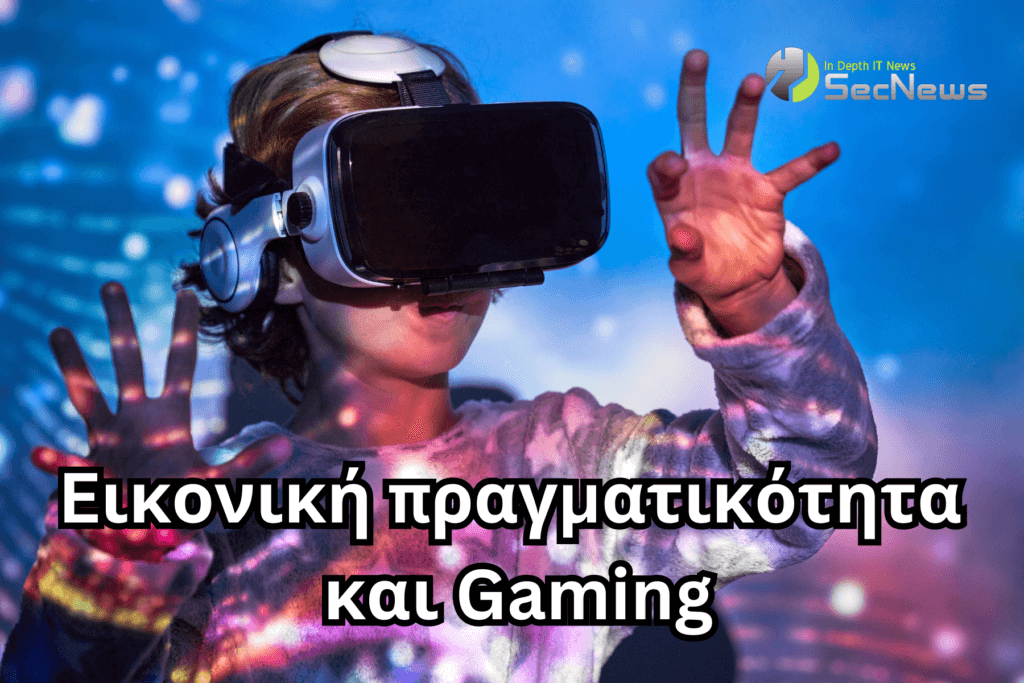
Virtual reality gaming experience
Virtual reality technology allows players to enter a digital world and interact with it as if it were real. By wearing a VR headset, players are fully “immersed” in the game environment, seeing and hearing everything as if it were real. This creates a sense of presence and realism that is not found in traditional games.
The use of handheld controllers also adds to the immersive experience by allowing players to physically interact with objects in the virtual world. For example, in a VR shooting game, players can aim and shoot using the controllers, providing a more realistic and immersive experience.
Additionally, with virtual reality, players can use their entire body to interact with the game. This adds another level of interaction and makes the game even more alive.
Impact on the gaming industry
The introduction of virtual reality has completely transformed the gaming industry. It has opened up new possibilities for game and pushed the boundaries of what is possible in gaming.
One of the biggest impacts of virtual reality on gaming is the shift towards more realistic and immersive gameplay. With VR technology, game developers can create highly detailed and realistic environments, providing players with a truly immersive experience. This has also led to an increase in demand for more realistic graphics and gameplay.
In addition, virtual reality has enabled the development of new types of games that were not possible before. For example, VR escape rooms, puzzle games, and simulations have become popular among gamers looking for a unique and immersive gaming.

Virtual Reality in Gaming: Challenges and Future
While virtual reality has brought significant advancements to the gaming industry, it also presents some challenges. The high cost of VR equipment and the need for a powerful computer to run VR games can be a barrier for some gamers. In addition, physical fatigue and sometimes cumbersome equipment (e.g., a heavy VR headset) can limit the amount of time gamers playing.
However, as technology continues to advance, we can expect these challenges to be addressed in the future. The development of more affordable and accessible equipment , as well as improvements in motion tracking technology, will make virtual reality games more accessible to a wider audience.
In conclusion, virtual reality has had a significant impact on the gaming industry and continues to push the boundaries of what is possible in gaming. Overall, virtual reality has opened up a whole new world of possibilities for the industry and has changed the way we play and experience games forever. It can be said that virtual reality is here to stay and will continue to shape the future of gaming!
