

Grubhub is taking another step toward the future of delivery, announcing an expanded partnership with Avride , the self-driving technology startup specializing in robotic mobility. The two companies have launched a pilot program of robotic food deliveries in Jersey City , New Jersey, bringing the experience of a “robot deliveryman” to residents for the first time.
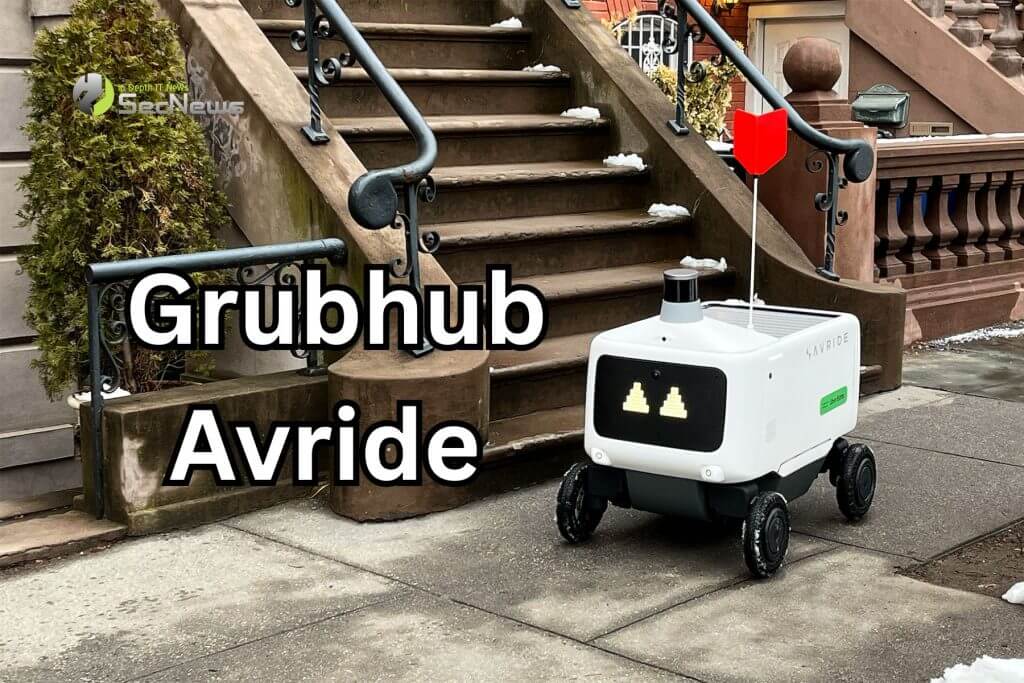
This partnership marks Grubhub's transition from experimental programs to realistic urban applications of autonomous technology, with the goal of reducing costs, providing faster service and optimizing delivery accuracy.
How the new service works
Grubhub users in the city can place orders through the app (operated by Wonder Group) and opt for delivery by Avride robots as long as they are within the coverage area.
See also: Amazon: Wants to replace 600,000 employees with robots
Wonder, which operates as a “multi-brand kitchen,” has over 20 different restaurant concepts, allowing customers to combine dishes from different restaurants in one order. Powered by Avride, the delivery process is carried out by autonomous robots that navigate the city’s streets, using sensors, cameras and artificial intelligence (AI) algorithms for safe navigation.
Robots can detect obstacles, stop at crossings, and adapt to varying weather conditions — a critical parameter for the success of such programs in urban environments.
From universities to city streets
This isn't the first time Grubhub and Avride have teamed up. The two companies began their partnership in January 2025, deploying a fleet of 120 robots on US campuses, including Ohio University.
The success of this particular program, where students could order food directly from their mobile phones and have it picked up by a robot outside their building, seems to have paved the way for commercial implementation in cities.
See also: China's Pony.ai partners with Stellantis for robotaxi in Europe
After the pilot in Jersey City, Grubhub plans to expand robotic deliveries to more markets in the United States if the results prove satisfactory.
Robot delivery drivers: Thenew face of delivery
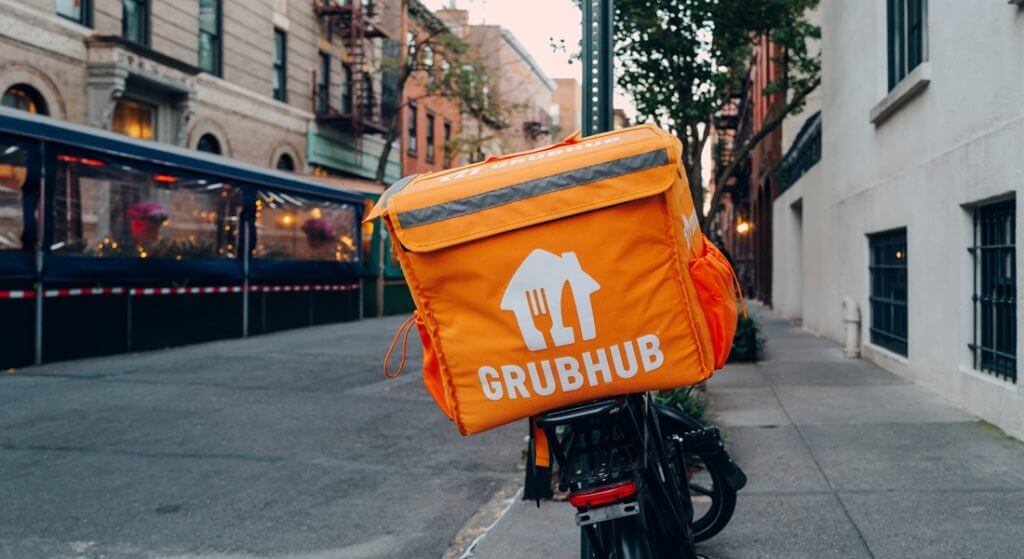
Using robots for food deliveries is no longer science fiction. Companies like Uber Eats and DoorDash have already partnered with Serve Robotics to launch robotic deliveries in the U.S. Avride, for its part, also partnered with Uber last year to pilot robotic taxi and delivery.
The common goal of all these efforts is to reduce labor costs and increase efficiency, but also to enhance reliability: robots do not need a break, are not affected by traffic conditions in the same way, and can operate 24/7 with minimal human intervention.
Avride's funding and future plans
Avride recently announced that it has secured up to $375 million in funding, backed by Uber Technologies and Nebius Group. The new investment will allow the company to expand its technology ecosystem, improve its navigation and AI systems , and develop more robust robot models suitable for complex urban conditions.
See also: Zoox robotaxi are available in Las Vegas
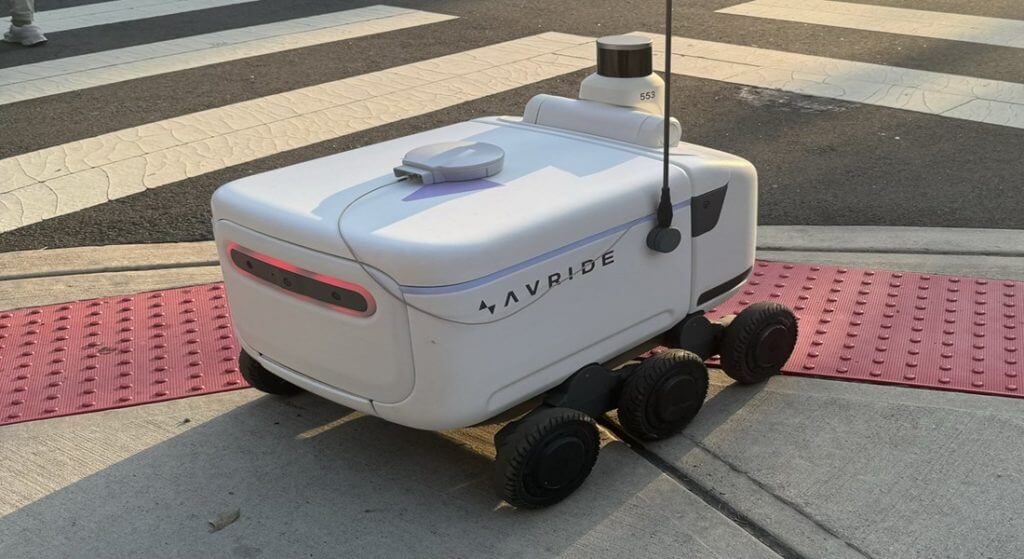
Avride's robots are based on a hybrid sensor architecture, with LiDAR, high-definition cameras and motion prediction algorithms, allowing the system to react instantly to pedestrians, cyclists or other vehicles.
The future of delivery is autonomous
The transition to autonomous food delivery is the next step in the evolution of e-commerce and urban mobility. If the pilot program in Jersey City proves successful, it could be a milestone for the mass introduction of robotic systems in delivery services.
Experts predict that within the next five years, robot delivery trucks will account for a significant percentage of deliveries in major cities, drastically reducing costs and limiting the environmental footprint.
For Grubhub and Avride, the future is clear: your food may no longer be delivered by a motorcycle driver, but by a silent, autonomous robot that knows exactly where to go, what to deliver, and when to ring your doorbell.
