

The autonomous vehicle technology revolution is entering its next phase as Chinese robotaxi company Pony.ai announced a partnership with Stellantis to begin testing autonomous taxis in Europe. The partnership, unveiled on Friday, marks a new era for driverless transportation on the Old Continent.
The first tests in Luxembourg
The two companies will begin pilot testing in the coming months in Luxembourg , where Pony.ai's European headquarters is located. If all goes well, a gradual rollout to other European cities is expected from 2026 , marking the first large-scale entry of Chinese robotaxi technology into Europe.
Pony.ai will provide the autonomous driving software, while Stellantis – owner of iconic brands such as Citroën, Jeep, Opel, Fiat and Peugeot – will provide the electric vehicles, starting with the Peugeot e-Traveller. The combination of Chinese software and European engineering is expected to give the venture a strong advantage.
See also: Waymo robotaxis coming to London in 2026
The strategic importance of cooperation
The collaboration is not just about developing another robotaxi, but about building an mobility ecosystem AI-based. The first tests on public roads will form the basis for gathering safety data, which is necessary for regulatory approval at the European level.
Ned Curic, Stellantis’ chief engineering and technology officer, said Pony.ai “stands out for its technical expertise and collaborative approach.” He added that Stellantis has already integrated infrastructure autonomous driving into its new models, and is now “partnering with the best players in the industry” to make the vision of autonomous transportation a reality.
From China to the West: A Global Spread
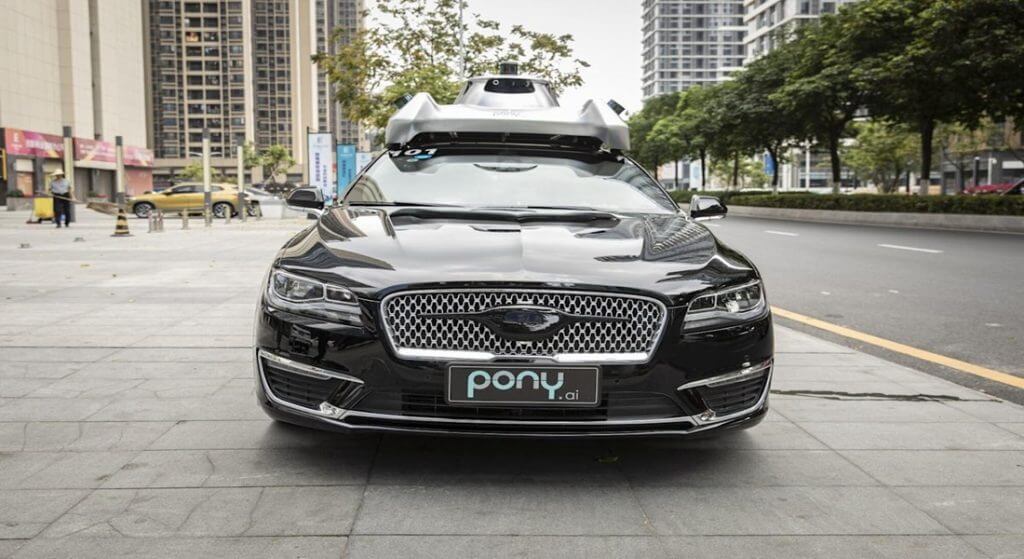
Pony.ai is one of the most recognized players in the autonomous vehicle space in China, having already conducted thousands of hours of testing in various cities. Its robotaxis are piloting with passengers in various regions, making the company a pioneer in creating a true transportation network driverless.
See also: Waymo and Via partner for robotaxis in Arizona
Entering Europe is a strategic leap – a market that, while more regulatory, offers greater credibility and institutional standing for autonomous driving technology. Successful trials on European soil could pave the way for wider commercial use of such services in the coming years.
The global robotaxi race
Pony.ai is not alone in this battle. American Waymo, a subsidiary of Alphabet (Google), recently announced plans to test autonomous taxis in London, with the aim of fully operating the service by 2026. Similarly, WeRide, also a Chinese company and competitor of Pony.ai, is stepping up its activities in the Middle East and is considering entering Germany and France.
Challenges and prospects
Despite technological progress, the spread of robotaxi in Europe will largely depend on the regulatory framework and public acceptance. Issues such as safety, liability in the event of an accident and data protection remain critical. However, the European Union has already started to develop common standards for autonomous driving, which creates fertile ground for pilot projects.
See also: Zoox robotaxi are available in Las Vegas

The Pony.ai – Stellantis partnership shows that the convergence between traditional automakers and AI companies is inevitable. The combination of experience, technology and international presence can accelerate the adoption of autonomous taxis — and perhaps fundamentally change the way we perceive transportation in the cities of the future.
The future of urban mobility
As European cities shift to green and smart infrastructure, robotaxis look set to play a major role in reducing traffic congestion and emissions. If Pony.ai and Stellantis' project is successful, perhaps in a few years the image of a driverless taxi on the streets of Paris or Berlin will no longer look like a scene from a science fiction movie, but the next reality of European mobility.
