

Waymo , the self-driving subsidiary of Alphabet Inc. , has announced that Singapore will be the next international market for its robotaxi service . The company said its vehicles will begin arriving in Singapore “in the coming months,” with the goal of fully autonomous passenger service by 2028. The move is part of an ambitious international expansion strategy as Waymo faces regulatory hurdles in some of its most important U.S. markets.
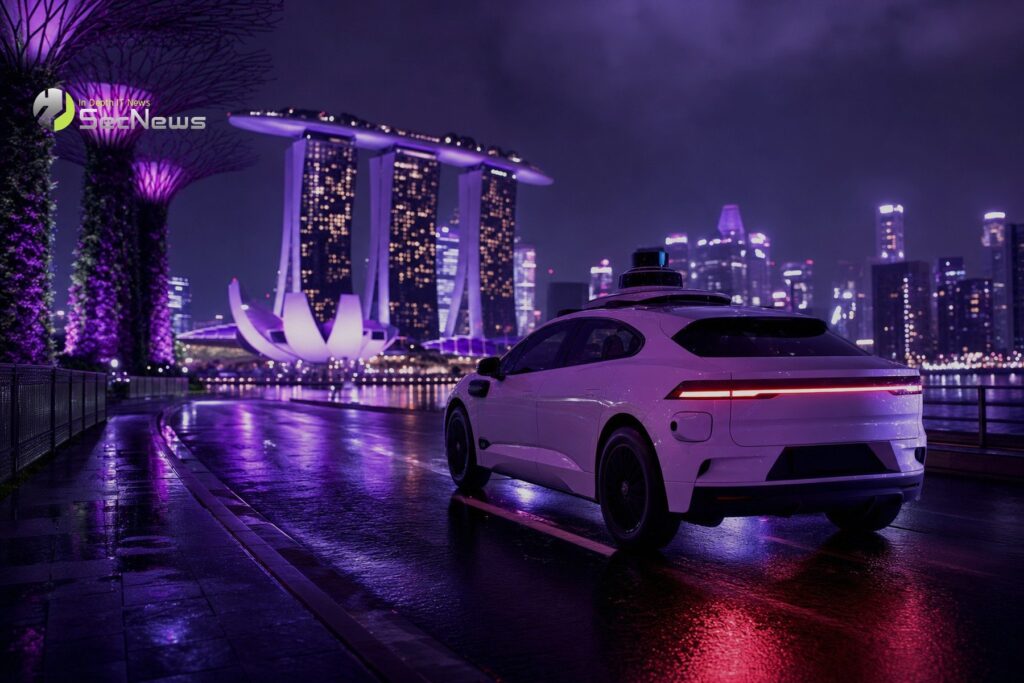
The company has already established a corporate presence in Singapore and is actively participating in the country’s Autonomous Vehicle Steering Committee . The vehicles will begin mapping and autonomous driving tests with human safety drivers behind the wheel during 2027 , before full commercial operation. This is a cautious, phased approach that characterizes Waymo’s strategy in each new market.
Waymo co-CEO Tekedra Mawakana said: “ Singapore has built one of the safest, most efficient and progressive transportation ecosystems in the world. Their focus on reliability, sustainability and human-centric progress directly reflects how we have built Waymo’s technology and service .”
See also: Robotaxi: Waymo can procure 50,000 Hyundai IONIQ 5
Waymo and Singapore: The regulatory framework for robotaxi
Before Waymo can start taking passengers in Singapore, it will need approval from the Land Transport Authority of Singapore (LTA). The territory requires all autonomous vehicles to undergo a safety assessment conducted at the Centre of Excellence for Testing and Research (CETRAN) before being deployed on public roads. These tests have been developed by the LTA and CETRAN, with input from the Traffic Police.
Singapore has emerged as a global testing ground for autonomous vehicles. Local authorities have approved autonomous delivery trucks, autonomous street sweepers and driverless buses for airport workers. In 2016, Motional, a US company majority-owned by Hyundai, piloted a robotaxi program in Singapore, demonstrating that the country is open to such innovations. Singapore’s regulatory framework is considered one of the most mature and clear in the world, making it an attractive destination for autonomous driving companies.
It is worth noting that Singapore has one of the densest and most efficient public transport networks in the world, with high levels of urban density and strict traffic regulations. This environment presents both a challenge and an opportunity for Waymo's autonomous driving technology, which will need to prove that it can operate effectively in one of the world's most demanding urban environments.
Waymo's global expansion strategy: Beyond Singapore
Singapore isn't the only international market Waymo is targeting. The company plans to launch a robotaxi service in London by the end of 2026, and in Tokyo in 2027.It has also announced that it will bring robotaxi to Munich , Germany, by the end of 2027, marking its first expansion into the European Union. It's an impressive geographic diversification that shows Waymo isn't treating international expansion as a secondary priority, but as a central pillar of its growth.
See also: Waymo: Testing robotaxi service in 4 new cities

In the US, Waymo has announced several new domestic markets this year, including Nashville, Denver, San Diego and Las Vegas. The company has about 4,000 vehicles operating in about 15 US cities. However, regulatory hurdles and political opposition have kept it out of some of the most important US cities, such as New York, Chicago and Washington, D.C.That situation partly explains why the company is accelerating its international ambitions.
Waymo's technology is based on the Waymo Driver, which combines LiDAR, cameras, radar and advanced artificial intelligence to navigate complex urban environments. The company has accumulated millions of miles of autonomous driving in the US, data that it uses to improve its algorithms. Transferring this expertise to new markets with different traffic rules, road infrastructure and driving behaviors is one of the biggest technical challenges Waymo faces.
Waymo robotaxi: Technology and challenges in Singapore
Developing a robotaxi in Singapore presents unique technical challenges. The area has a particularly complex traffic pattern, with a mix of public transportation, bicycles, pedestrians, and private vehicles. In addition, weather conditions — heavy rain, high humidity — can affect the performance of LiDAR and cameras. Waymo will need to adapt its systems to cope with these conditions during the mapping and testing phase in 2027.
At the same time, Singapore is a highly controlled environment in terms of infrastructure. The roads are well-maintained, the signage is clear, and traffic discipline is high — factors that favor autonomous driving. This means Waymo will have a relatively favorable environment to prove the reliability of its technology before expanding into more chaotic markets like Japan or Europe.
See also: Waymo and Tesla call for legislation to regulate robotaxis
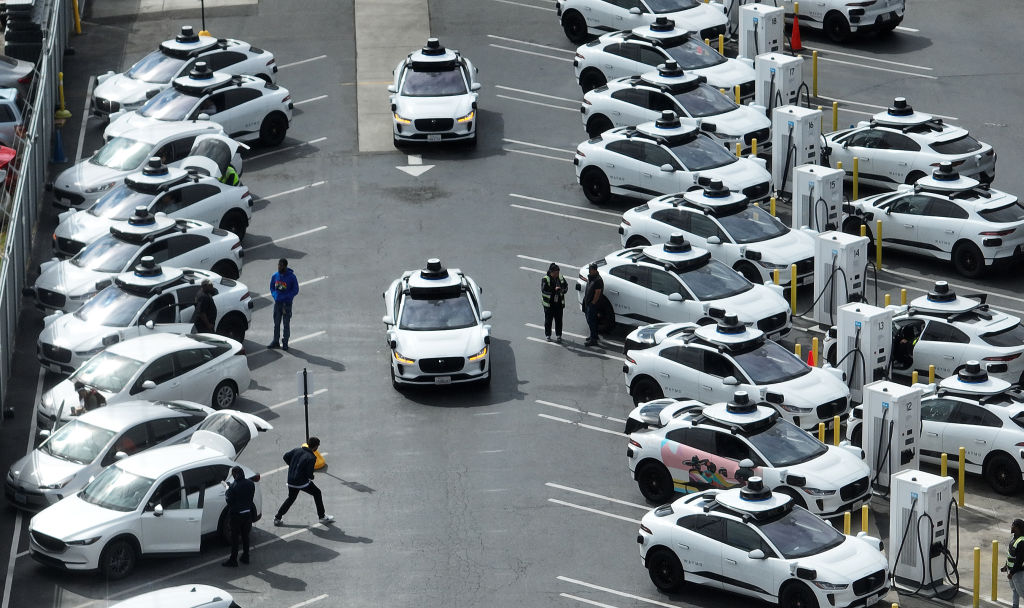
According to The Verge, Waymo shows no signs of slowing down in its international expansion, despite the challenges it faces in some U.S. markets. The company's strategy appears to be to create a global robotaxi network that will operate in different regulatory and cultural environments, leveraging data from each market to continually improve its system.
Overall, Waymo’s expansion into Singapore represents a significant milestone for autonomous mobility globally. If the company can secure the necessary approvals and successfully launch its robotaxi service by 2028, it will demonstrate that autonomous driving can operate reliably in diverse international environments — paving the way for a new era in urban transportation.
