

Uber has publicly criticized its robo-taxi partner, Waymo , while investing more than $10 billion to develop its own fleet of autonomous vehicles with Rivian , Lucid and Nuro .
See also: Uber adds hotels to its app
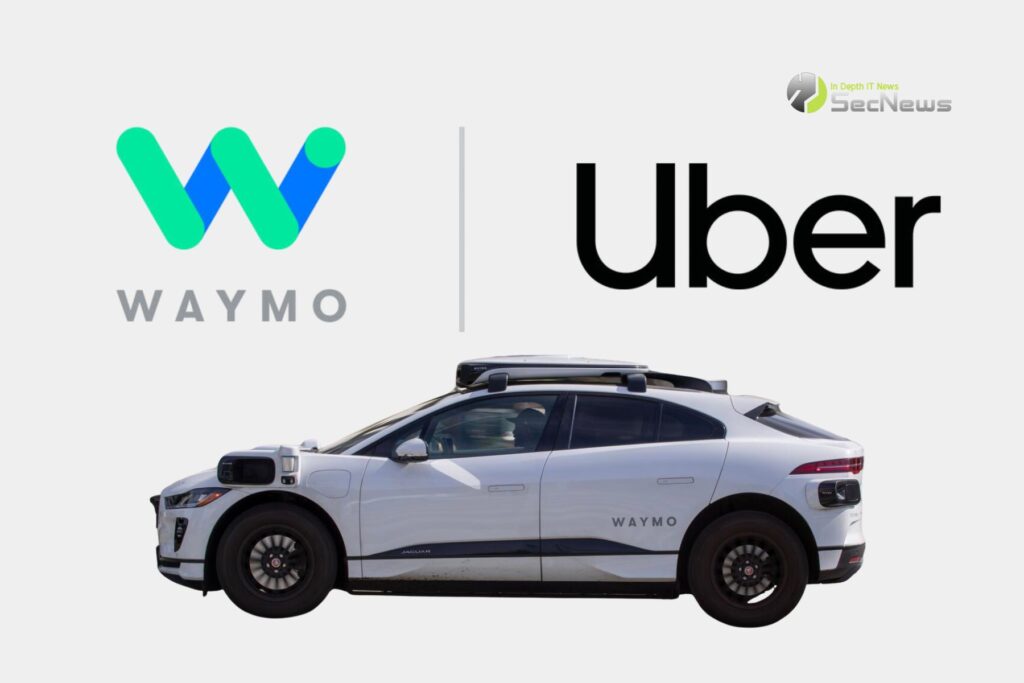
Uber executives have expressed concerns about Waymo's technology and growth strategy, even as Waymo's vehicles continue to operate on the company's platform in Austin and Atlanta. According to a report by Business Insider, Uber executives have characterized dedicated autonomous vehicle operators like Waymo as "less scalable" and "less reliable" compared to the company's hybrid approach, which combines human drivers with robo-taxis.
The criticism was immediate. Uber CTO Praveen Neppallishared a video on X in April depicting a “scary” encounter with a Waymo vehicle in San Francisco, where the Waymo vehicle appeared to inappropriately pass a Muni bus. He commented, “Big fan of autonomous vehicles, but perception ≠ judgment. Extreme cases matter!”
CEO Dara Khosrowshahi has distanced himself from the all-self-driving model, acknowledging the “huge potential” of autonomous vehicles while stating that they are “far from meeting the level of reliability” that customers expect. Uber recently released a white paper via Axios, arguing that robo-taxis are currently being deployed in affluent neighborhoods while neglecting cities like Oakland, where Waymo has a regulatory license.
The company advocates “equitable distribution” across all markets, subtly criticizing Waymo’s expansion strategy. Waymo is actively working to expand throughout the Bay Area, including Oakland, and is seeking regulatory approval. Despite Waymo’s public undermining, Uber is aggressively building its own robo-taxi infrastructure with alternative partners.
See also: Claude connects to personal apps, like Spotify and Uber

Uber now owns 11.5% of Lucid after a $500 million investment, with a commitment to buy at least 35,000 Lucid Gravity SUVs, up from an initial deal of 20,000 vehicles. Those vehicles will feature Nuro’s Level 4 autonomous driving system. The company has invested up to $1.25 billion in Rivian to develop up to 50,000 autonomous R2 robo-taxis, with the first 10,000 expected in San Francisco and Miami by 2028.
Nuro recently secured a driverless license in California to test its driverless Lucid Gravity SUVs, a crucial step ahead of Uber’s planned commercial launch of robo-taxi services in San Francisco later this year. The company is also investing $100 million in fast-charging stations for autonomous vehicles and has formed partnerships with Baidu’s Apollo Go for Dubai, Wayve for London, and Avride for Dallas.
Uber plans to deploy Lucid-Nuro robo-taxis in San Francisco by the end of 2026, while it will operate Avride robo-taxis in Dallas and partner with Wayve in London, where Waymo has its own fleet agreement with Moove.
The future of deployments in Austin and Atlanta, where Waymo's vehicles operate exclusively through Uber's app, remains uncertain. The company's former CEO, Travis Kalanick, noted that Waymo is "clearly" ahead in the robo-taxis race, but the company's current leadership seems reluctant to build on that advantage.
Meanwhile, Waymo is scaling rapidly, delivering about 400,000 paid rides per week in 10 U.S. cities and targeting 1 million weekly rides by the end of 2026.
See also: Uber and Nuro begin employee trials of Lucid Gravity
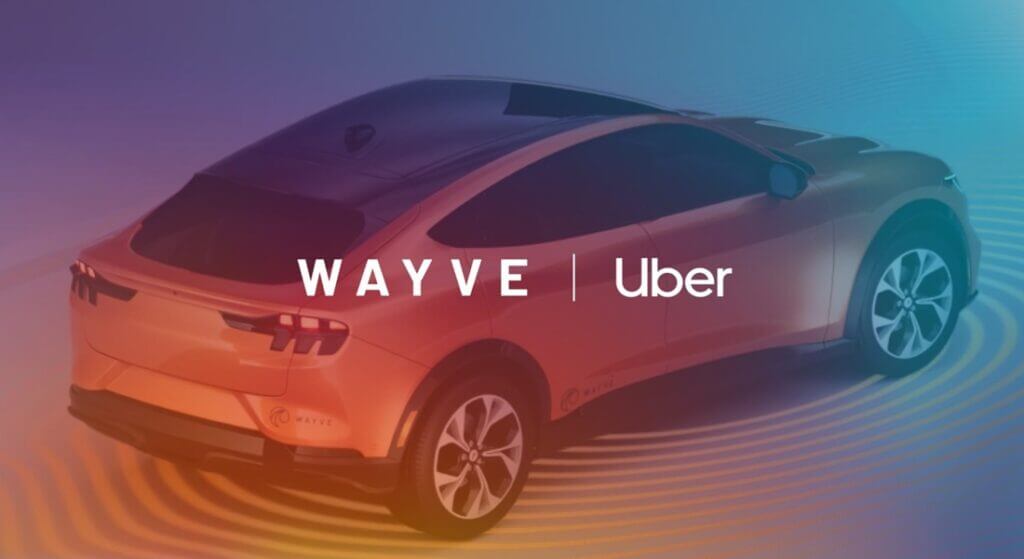
This situation reflects Uber’s struggle to balance its public criticism of Waymo’s technology while still relying on partnership. The company once envisioned itself as a platform for various robo-taxis, taking a cut of each ride without owning any vehicles, but Waymo’s rapid growth has changed that landscape.
