

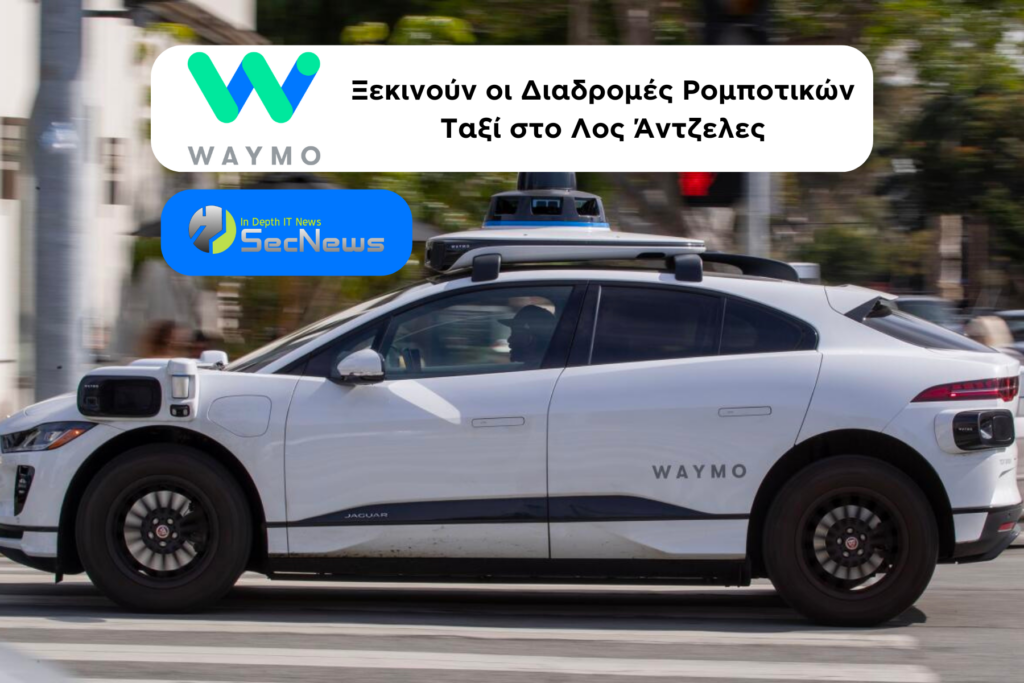
Tech startup Waymo said Tuesday it will begin offering paid robotaxi rides in Los Angeles starting Wednesday, as the country's experimental journey with self-driving car technology takes off.
See also: Emo humanoid robot: Predicts a person's smile
Autonomous taxis are gaining more and more attention, as GM subsidiary Cruise said it is retooling some operations and Tesla CEO Elon Musk said he is planning a product launch in August.
Waymo, a subsidiary of Google, had announced plans for a service in Los Angeles in January, as it was seeking state regulatory approval and local support. It has offered free rides “temporarily” since then, and last month we received regulatory approval to expand into a paid service, despite resistance from the Teamsters union federation and the Los Angeles Department of Transportation.
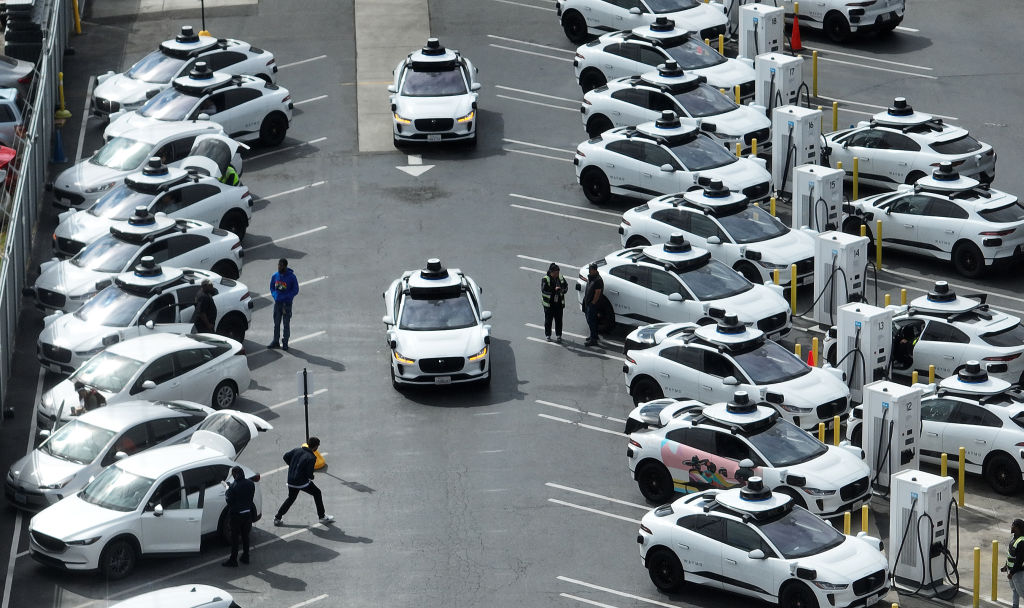
Waymo said Tuesday that more than 50,000 people are on the waiting list to use the service. The company did not say how many users will be allowed to fully use the app starting Wednesday. Last month, the company said it was starting with a Los Angeles fleet of fewer than 50 cars covering a 63-square-mile from Santa Monica to downtown Los Angeles. Los Angeles County has a population of 9.7 million.
See also: Apple: Is it preparing home AI robots?
The service works in a similar way to other ride-hailing apps like Flywheel, Lyft and Uber, except that Waymo's vehicles don't have human drivers present. Passengers follow directions in the app and through the vehicle's audio system, although Waymo employees can assist remotely.
Robot taxis are gaining more attention as the technology advances with holidays and authorities. Tesla CEO Elon Musk said Friday that Tesla will unveil a robo-taxi product in August, though he did not provide details. Cruise ,a subsidiary of General Motors that had discontinued its robo-taxi service last year after one of its vehicles failed to detect a pedestrian underneath it, said Tuesday it would reinstate human-driven vehicles in select cities, including Phoenix, as a step back toward autonomous operation.
Several technology companies in China are also testing self-driving cars on California roads, attracting the interest of lawmakers.
For now, Waymo's only competitive option is the traditional, human-driven service taxis.
See also: Waymo: Autonomous car collided with cyclist
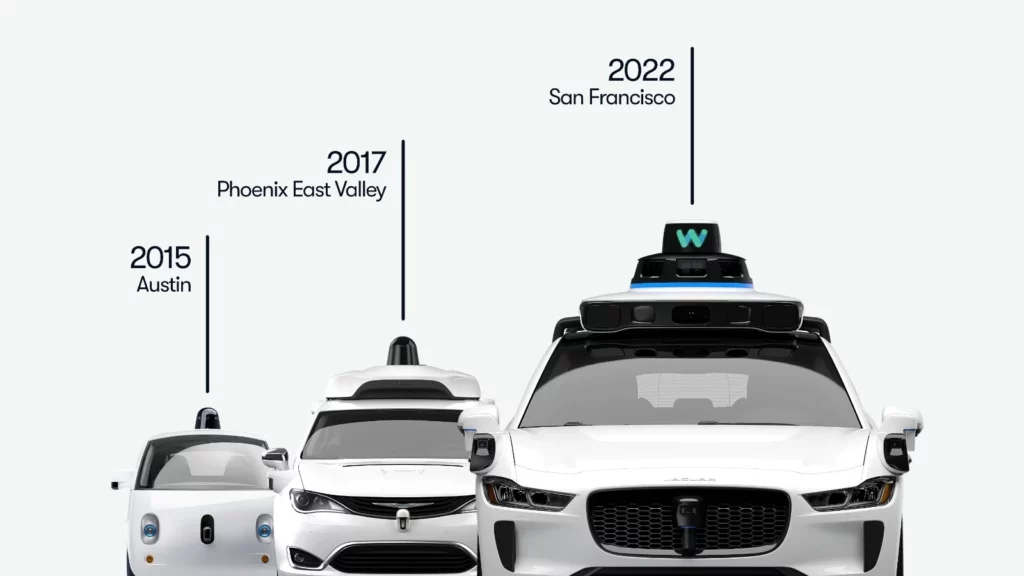
Waymo's expansion into Los Angeles will bring profit-driven autonomous taxis to the country's second-largest city – and to a large city that is linked to car travel. Waymo already operates commercial robotic taxi services in San Francisco and Phoenix.
Chris Ludwick, Waymo's product director, described the move into Los Angeles as a milestone.
“The reception from the citizens of Los Angeles so far has been outstanding, and we look forward to welcoming more passengers to our service over time,” he said in a statement.
Robotic taxis have faced criticism from many sides, from the threat they pose to drivers' jobs to the mistakes they have made by blocking city buses or emergency vehicles. According to California law, autonomous vehicles cannot receive traffic fines and can worsen traffic congestion.
The Los Angeles Department of Transportation said that Waymo's expansion is coming too early, without adequate local oversight of autonomous vehicle operations, but in an order last month state officials said those concerns were unfounded.
Supporters of robotic taxis claim that human drivers have a terrible safety record, with deaths in traffic accidents exceeding 40,000 each year in the USA. Waymo has not reported any death or serious injury from its technology, and Waymo's vehicles appear to be generally more careful about traffic rules than human drivers, according to journalists who have traveled with them.
See also: Apple teaches an AI system to understand app screens
In San Francisco, this future nature of autonomous taxi cars has become a tourist attraction.
The opponents of robot taxi expansions, including the Teamsters, have pledged to slow the growth of companies such as Waymo. A legislative proposal pending in the California Assembly would give cities and counties authority over robot taxi services – an authority that currently belongs to government agencies. A follow‑up official hearing on this bill in the Assembly has been scheduled for next week.
Source: nbcnews
