

Apple is reportedly considering a return to the server market, which it abandoned when it discontinued the Xserve. The move, if confirmed, would mark a major shift in strategy for the company, which has traditionally focused on consumer products like the iPhone and Mac. Apple's new approach to the server market includes the integration of its upcoming M8 Ultra chip, fully integrated with NVLink Fusion.
See also: Apple's Siri AI may be replaced by Claude and ChatGPT
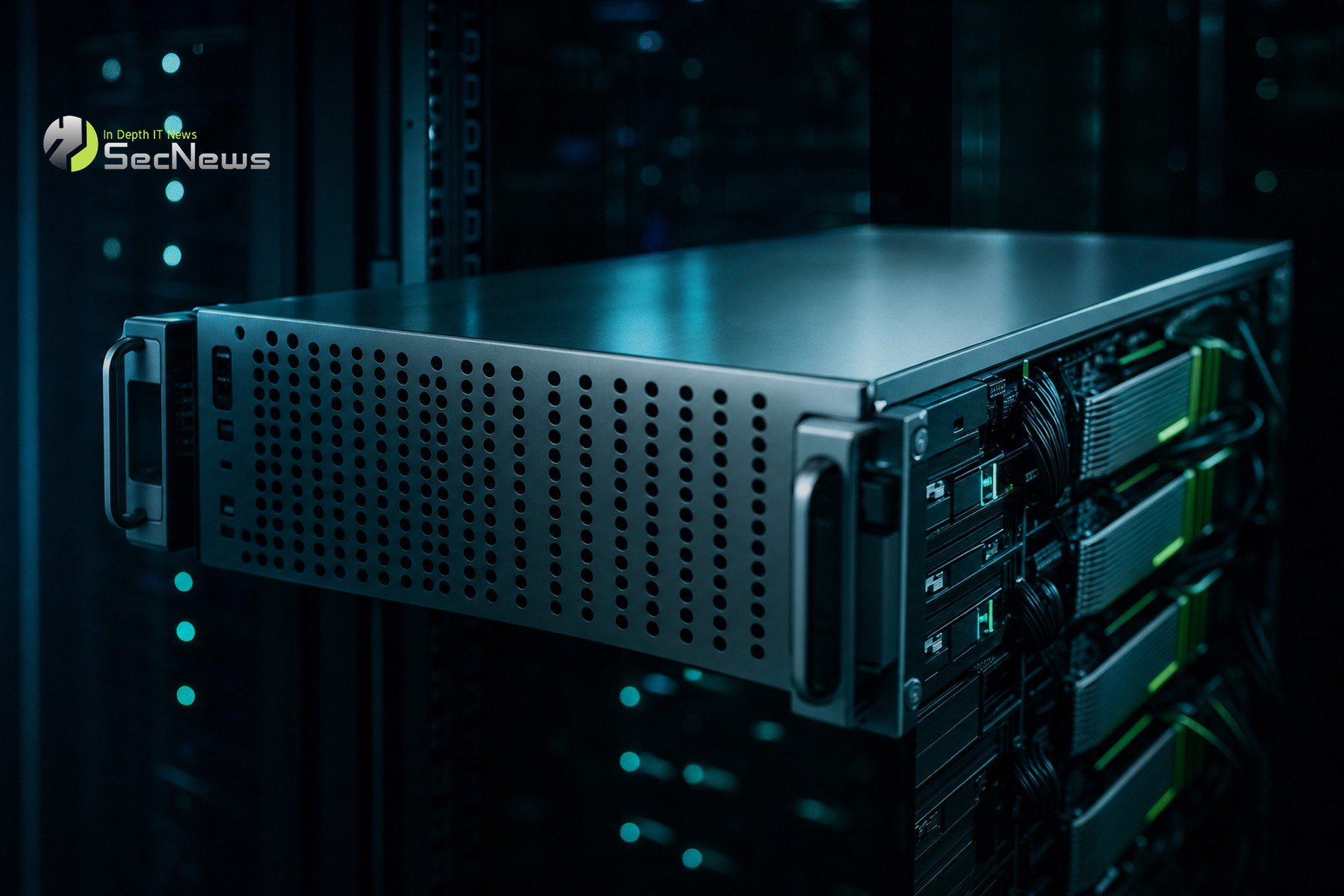
Apple's history in the server space began with the Xserve, which was released in 2002. The Xserve was a rack-based server aimed primarily at professionals and businesses that needed powerful solutions for their infrastructure. Despite initial success, Apple decided to withdraw from the server market in 2010, focusing its efforts on other areas. However, the growing demand for computing power and developments in artificial intelligence seem to have prompted the company to reconsider its position.
Apple's rumored product line is said to include two main products. The first will contain two M8 Ultra chips, while the second will house four of the unreleased and very early-in-development M8 Ultra processors. These chips are expected to offer excellent performance, making them ideal for applications that require high computing power, such as machine learning and artificial intelligence.
The integration of NVLink Fusion technology is another critical element of Apple's strategy. NVLink Fusion is a high-bandwidth, low-latency connectivity technology that allows companies to connect AI chips and accelerators directly to Nvidia's advanced data center infrastructure. This technology could give Apple a significant advantage, enabling faster and more efficient data processing.
Partnering with Nvidia, one of the leading players in graphics and artificial intelligence, could further strengthen Apple's position in the server market. Nvidia is known for its innovative solutions in graphics and artificial intelligence, and this partnership could open up new opportunities for Apple in the field of enterprise solutions.
See also: Apple's Vision Pro layoffs were more extensive than initially reported
The ability to integrate the M8 Ultra chips with NVLink Fusion technology could allow Apple to offer products with exceptional performance and efficiency. This would be particularly attractive to businesses looking for high-performance solutions for their computing needs. In addition, Apple could successfully compete with established players in this field by offering products that meet the needs of modern businesses.
However, it remains to be seen how Apple's strategy will shape up and how the market will respond to this potential return to the server market. The success of this move will depend on Apple's ability to offer innovative products that meet the needs of modern businesses. The server market is highly competitive, with major players such as Dell, HP, and IBM dominating the space. Apple will need to offer something unique to gain market share.
Apple's return to the server market could have significant implications for users and organizations. Businesses that rely on computing power for data analysis and AI application development could benefit from Apple's new solutions. In addition, Apple's entry into this market could lead to increased competition, which could benefit consumers through lower prices and improved products.
See also: GPUThor bypasses Nvidia's Rowhammer bug fix
Overall, Apple's potential return to the server market with the Xserve and the integration of the M8 Ultra and NVLink Fusion technology is an exciting development that could change the landscape of this market. The success of this move will depend on Apple's ability to deliver innovative and efficient products that meet the needs of modern businesses.
