

Donald Trump has announced plans to create an “AI Force” for artificial intelligence and appoint a new adviser, the so-called “czar” of artificial intelligence. The announcement leaves open key questions about the initiative’s structure, responsibilities and legal basis.
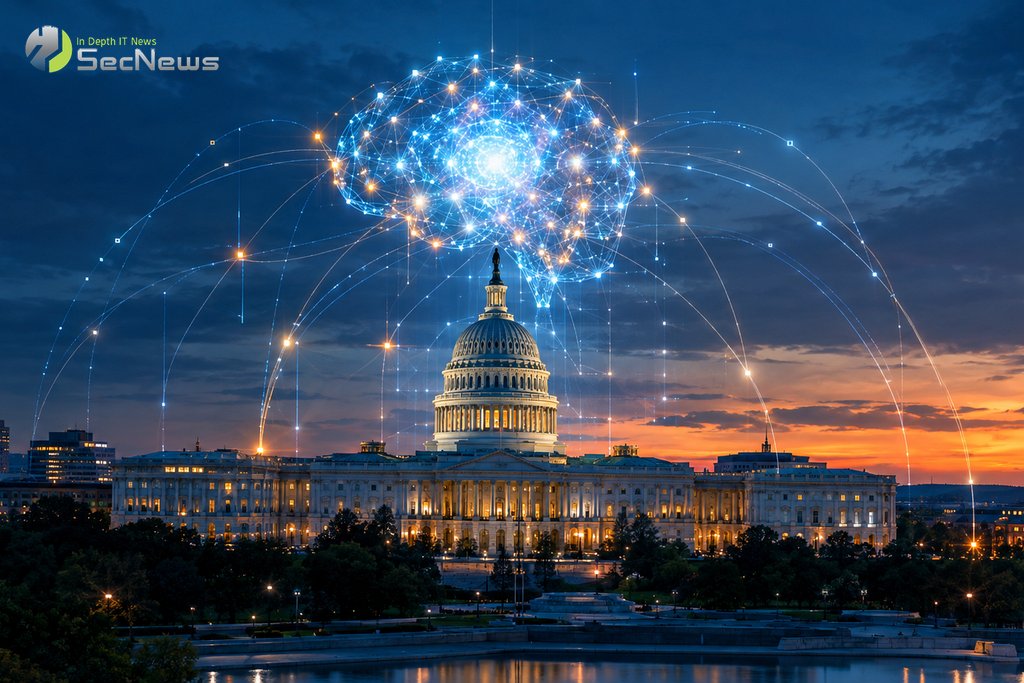
The announcement about artificial intelligence was made in a post on Truth Social on September 19. The US president likened the AI Force to the Space Force, without specifying whether he was talking about a new federal agency, an interagency group or a political coordination mechanism.
See also: AI hallucination at SOCPAC: When a false report causes a crisis
What does "AI Force" mean for artificial intelligence?
According to Reuters, Trump did not give a timeline, name a candidate or describe the mission. He said his administration would not “impede or restrict” the industry’s growth, but would monitor it and look for “malign” uses of it with existing criminal and civil tools.
The message combines market support with a vague promise of oversight. The AI Force could be about model security, addressing abuse, protecting critical infrastructure, or simply coordinating services. None of these versions have been confirmed by the White House.
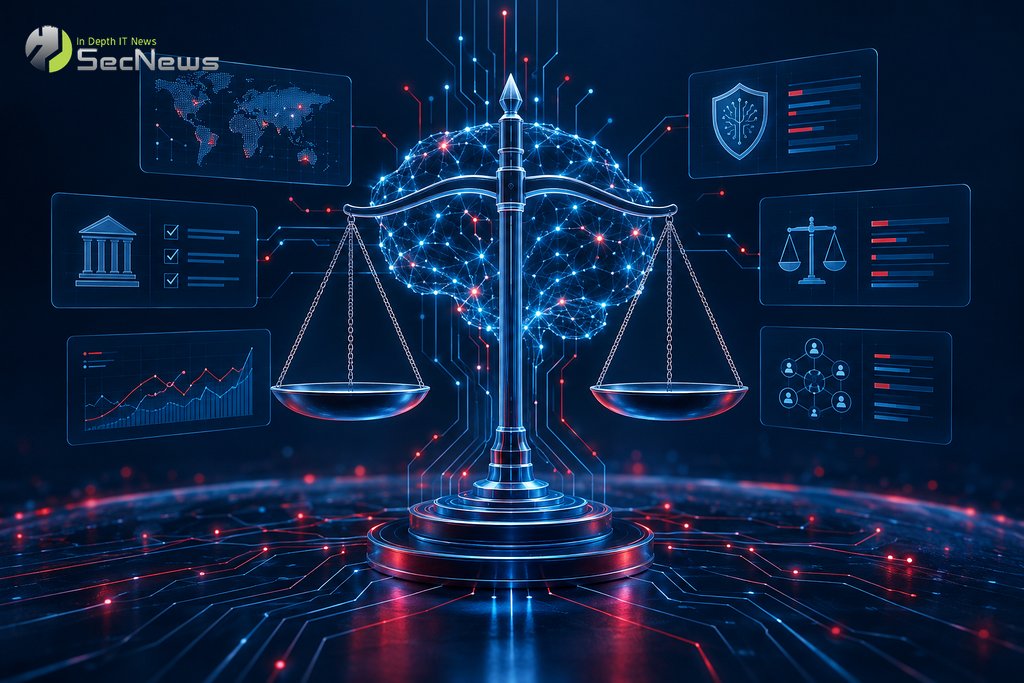
The choice of the term refers to the Space Force, but the name itself does not create a service or specify powers. For the initiative to take practical form, administrative decisions, funding and possibly legislative approval will be needed, depending on the model chosen.
See also: Huawei predicts explosive growth in AI consumption
The debate over AI oversight
The announcement on artificial intelligence comes at a time of intense debate in the United States. Lawmakers, researchers and industry executives are divided over whether to push for stricter regulations or prioritize innovation. Trump has advocated for rapid development while rejecting calls for blanket “brakes.”.
TechCrunch notes that the president also opened a poll for a different name for artificial intelligence, suggesting versions such as “Superior Intelligence” and “Extreme Intelligence.” The move shows more political communication than a comprehensive implementation plan.
The lack of detail is particularly important because decisions about AI simultaneously affect the economy, defense, education, and privacy. A centralized mechanism could reduce overlap between agencies, but it could also concentrate too much power without sufficient public oversight.
For tech companies, the announcement carries a double message. On the one hand, the government says it doesn't want to stop investment and new products. On the other hand, the reference to "bad" uses suggests that AI Force could be involved in investigations into fraud, disinformation, cyberattacks or violations of the law.
The distinction between oversight and containment will be critical. A framework that requires providers to document data, audit vulnerabilities, and report serious incidents can improve security. Conversely, a vague policy without measurable criteria will complicate business and leave users exposed.
The final picture of AI will depend on whether the AI Force acquires technical experts, agency representatives, and independent auditors, or whether it remains a political umbrella. Without published criteria for evaluating systems, the distinction between protection and mere surveillance will remain blurred.
It also remains unclear who will take on the role of “czar.” Entrepreneur David Sachs had served as an advisor on AI and cryptocurrencies before leaving the government post and moving into an outside advisory role. The new announcement does not name a replacement or specify whether the role will have executive powers.

The critical questions for AI Force
The first question concerns the independence of the mechanism. If the group is limited to communication coordination, its impact will be small. If it has a role in model evaluation, rule enforcement or incident investigation, clear procedures, responsibilities and controls should be defined.
The second is about security. Malware monitoring is not enough without technical standards, pre-release system checks, and incident reporting mechanisms. Businesses and citizens need transparency about who is evaluating the models and how failures are being fixed.
See also: Talking Tilly: The viral AI actress and the risks to privacy

Until more details are released, the AI Force remains a political announcement, not a functional institution. The SecNews technical team will monitor whether Washington presents a specific organizational chart, person, budget, and rules, elements that will determine whether this is a real AI policy or a new slogan.
