

Tesla Powershare is now expanding to the Model 3 and Model Y, allowing owners of these vehicles to use their car’s battery as a backup power source for their home in the event of a power outage. The feature, known as Powershare Home Backup, was previously exclusive to the Cybertruck and required a Powerwall 3 in the home. However, support for the Powerwall 2 and Powerwall Plus is “coming soon.” This is a major development that changes the way millions of electric vehicle owners can harness the energy stored in their vehicles.
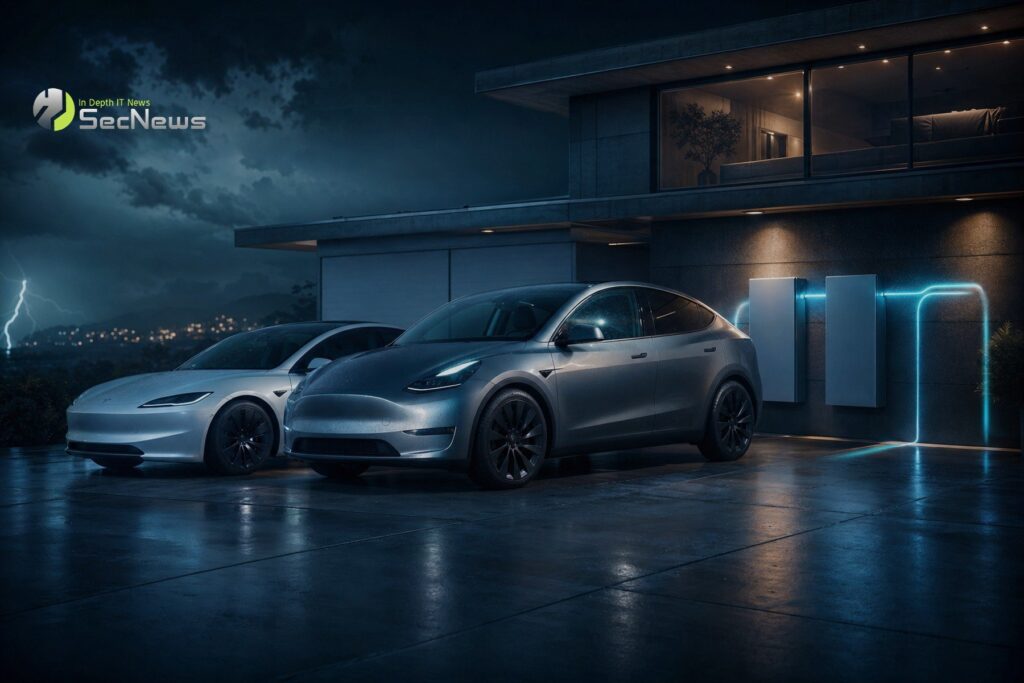
According to The Verge, Tesla only guarantees compatibility for Model 3 and Model Y ordered after October 1, 2026 , as not all older models have the necessary PCS2 Lite. The feature is currently only available in the US and Puerto Rico, and is not yet supported in Canada. It also does not apply to the larger Model S and Model X.
See also: Tesla Cybertruck Powershare now supports homes with Powerwall 3
The expansion of Tesla Powershare to the company’s most popular models reflects a broader trend in the industry: electric vehicles are no longer just means of transportation, but mobile energy storage units. Bidirectional charging allows electricity to flow both from the grid to the vehicle and from the vehicle to the home or grid. This development has huge implications for household energy independence, especially in times when extreme weather conditions make power outages increasingly common.
Tesla Powershare: How the V2H system works on Model 3 and Model Y
The Tesla Powershare for the Model 3 and Model Y is based on Vehicle-to-Home (V2H), which differs from simply powering devices through an outlet. In practice, the vehicle is connected via a Wall Connector to the home system, which includes the Powerwall 3.During a power outage, the Powerwall 3 takes over the backup system, while the vehicle provides additional power through the home's electrical equipment. Importantly, the system isolates the home from the grid during the outage, preventing power from being supplied to live utility lines.
Tesla says the Premium and Performance models of the Model 3 and Model Y can provide more than two days of backup power . Rear -wheel drive models can offer about two days of backup power. That's less than the more than three days Tesla promises for the Cybertruck , but it's still impressive for a passenger car.
It is important to understand that the day estimates are highly dependent on household consumption. A home that uses 15 kWh per day may operate for many more days than the estimated days, while a home with electric heating, air conditioning, or electric water heater that uses 60 kWh per day may deplete the vehicle battery much faster. Tesla does not require additional hardware for customers who already have a Powerwall 3 and compatible Wall Connector, which greatly simplifies installation.
See also: Tesla Model 3 gets increased range and performance
Tesla Powershare vs Competition: Who Wins in V2H?
Tesla's electric vehicles aren't the first or only to offer bidirectional charging. Companies like Kia , Hyundai , and General Motors also offer vehicle-to-home functionality in their vehicles. Ford has promoted the F-150 Lightning as a backup power source for the home, taking advantage of the pickup's massive battery. Even the Nissan Leaf offered vehicle-to-grid charging years ago, proving that the technology isn't new.
Tesla's advantage over the competition lies in the integrated ecosystem it offers: vehicles, Powerwall, solar panels, charging equipment and software combined into a single system. However, this also has its downside: the current implementation for Model 3 and Model Y requires Powerwall 3, making the system more expensive and less flexible than a vehicle that can provide backup power autonomously.
From a financial perspective, the cost of installing a Powerwall 3 is quite high. For comparison, the Cybertruck Powershare Home Backup Bundle. The economics of the system also depend on battery degradation, electricity prices, and frequency of backup use.
Support for Powerwall 2 and Powerwall Plus is expected to come soon, though Tesla hasn't announced a specific timeline. The Powershare Grid Support — which allows the vehicle to power the grid — remains exclusive to the Cybertruck.
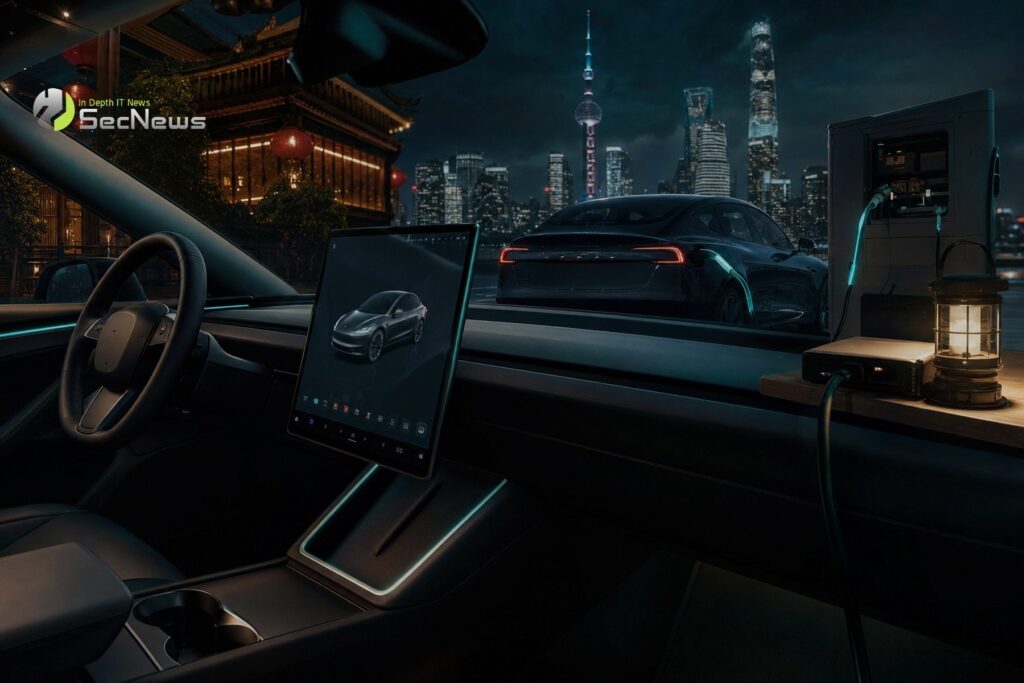
See also: Tesla upgrades Model 3 in China with 16-inch screen and V2L
In summary, the expansion of Tesla Powershare to the Model 3 and Model Y is an important step towards wider adoption of V2H, given that these are the company’s most popular models. However, the limitations — Powerwall 3 requirement, compatibility only with newer vehicles, geographic availability only in the US and Puerto Rico — indicate that the technology is still in its early stages of development. For owners who qualify, however, the ability to use their car as a backup battery for their home represents a real shift in how we understand energy independence in the age of electric vehicles.
