

The Model S quickly became a symbol of innovation and luxury, attracting a diverse clientele from tech enthusiasts to celebrities. Its sleek design, impressive performance, and advanced technology set a new standard in the automotive industry. The vehicle featured features such as self-driving capabilities, a minimalist interior, and online software updates that kept it relevant long after its initial launch.
See also: Tesla halts production of Model S and Model X

As Tesla expanded its production and introduced new models, the Model S remained a flagship vehicle, demonstrating the company's commitment to electric mobility. However, as competition intensified with the entry of established manufacturers into the electric vehicle market, the Model S faced challenges in maintaining its dominance. Competitors began offering comparable electric vehicles, often at lower prices, threatening Tesla's market share.
Despite these challenges, the legacy of the Model S is undeniable. It played a pivotal role in changing the public perception of electric vehicles from niche products to mainstream options. The car not only helped establish Tesla's position as a leader in the electric vehicle space, but also inspired a broader movement toward sustainable mobility.
See also: Tesla Model 3/Y with Chinese LG batteries show "catastrophic" failure rates

As the Model S reaches the end of its production run, it leaves behind a transformative impact on the automotive landscape, paving the way for future electric vehicles and changing the way consumers view mobility. Tesla’s journey with the Model S is a testament to the power of innovation and the potential of electric vehicles to reshape the future of transportation.
The success of the Model S was not just a result of its technological superiority, but also of Tesla's strategic approach to the market. The company managed to create a strong brand image associated with innovation and luxury, while promoting the idea of sustainable mobility. This vehicle was the foundation for Tesla's growth and establishment as a pioneer in the field of electric vehicles.
The legacy of the Model S continues to influence the automotive industry as manufacturers look for ways to incorporate advanced technologies and sustainable practices into their vehicles. The success of the Model S demonstrated that there is a demand for electric vehicles that combine performance with luxury, and this message has influenced the direction of the industry.
See also: Arizona: Tesla received a license to operate a robotaxi service
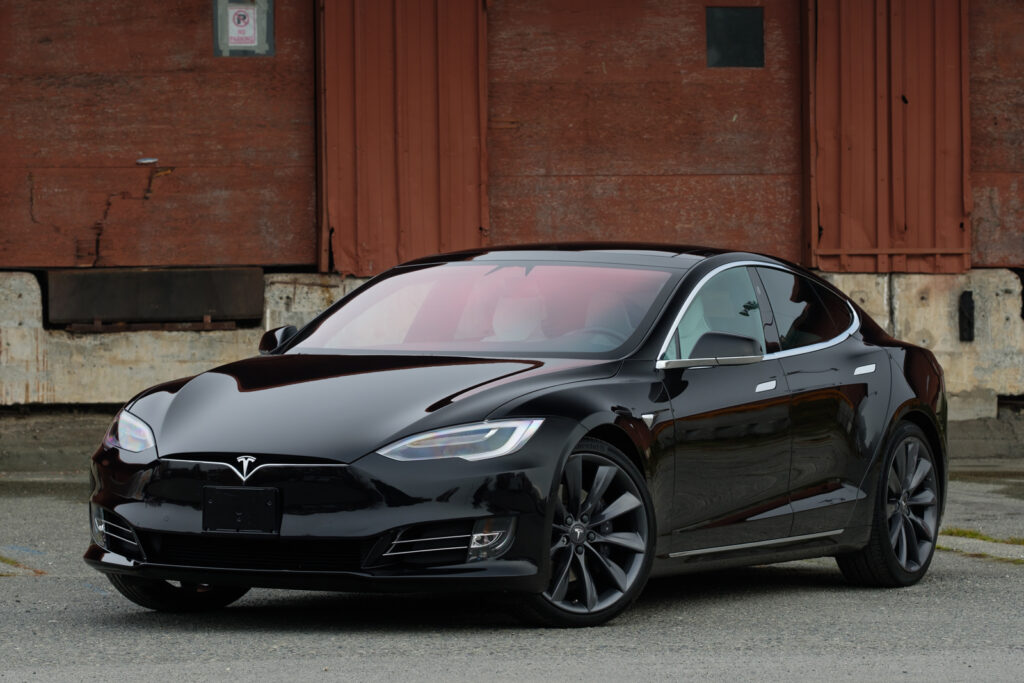
Overall, the Model S was not just a vehicle, but a statement about the future of mobility. Its impact will continue to be felt for many years to come as the automotive industry adapts to new consumer demands and the challenges of climate change. The Model S paved the way for a new era in the automotive industry, where innovation and sustainability are at the heart of development.
