

Researchers have developed a lightweight computer mouse that you wear on your finger like a ring and works for more than a month on a single charge. The device, called picoRing, weighs just 5 grams and is designed as a discreet, low-power alternative to traditional mice.
See also: Raw's The Ring helps you find out if your partner is cheating on you
Its inventors see it as a candidate for controlling augmented reality (AR) and virtual reality (VR) systems, where compact, hands-free control offers a practical advantage over standard input devices. Users can scroll and interact with virtual interfaces using small gestures, making picoRing ideal for installations that lack desk space.
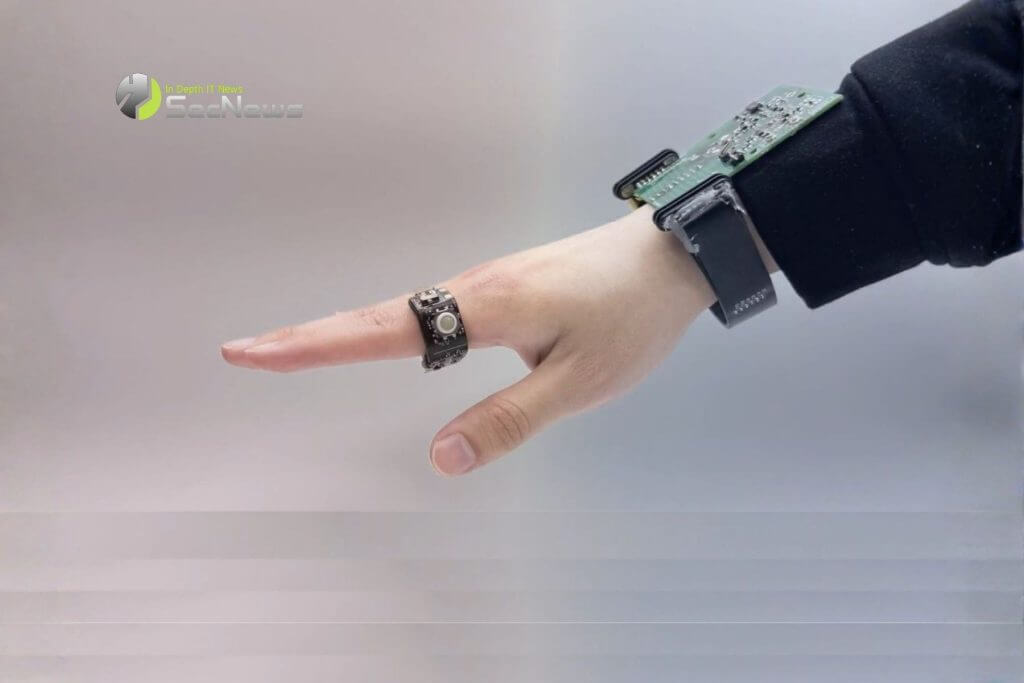
Because the ring is in direct contact with the skin, future versions could also track heart rate, stress levels and other health indicators, the researchers said in a statement. Combining these health features with interaction control could open the door to “multifunctional wearables.”
The humble computer mouse has been around for nearly 60 years, and while its design has been refined and refined over that time, attempts at a radical redesign have never borne fruit. The researchers hope that the picoRing's convenient form factor and month-long battery life will help it stand out, especially as other wearable ring-like devices gain traction.
The enormous battery life is the result of a unique power system called semi-passive inductive telemetry (semi-PIT), which connects the ring to a bracelet that serves as a relay between the ring and the device it controls.
See also: Samsung Galaxy Ring may be released in larger sizes
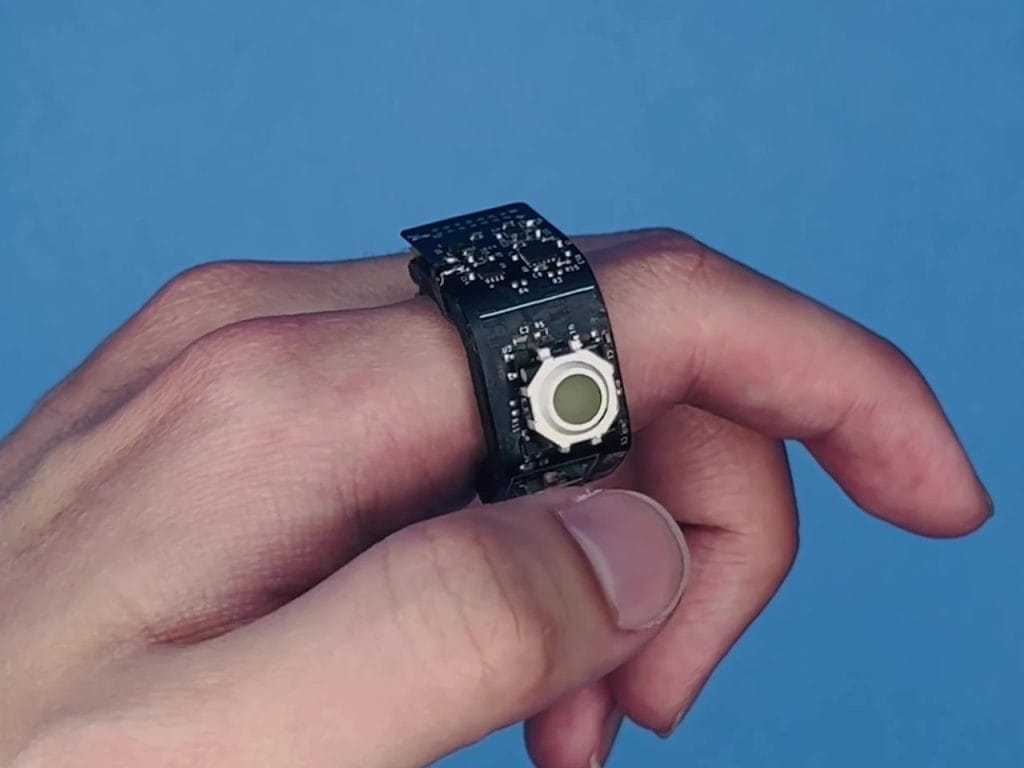
This is built around a coil of wire, similar to those found in wireless chargers, but with small capacitors running along its length. Together, these amplify the magnetic fields that carry signals between the ring and the bracelet, extending its range without the need for an external amplifier.
This allows the ring itself to use much weaker and less power-hungry components than other wireless wearable devices. The researchers had already ruled out standard wireless systems like Bluetooth and NFC, noting that Bluetooth would consume too much power for such a small device, while NFC only works over very short distances.
As with many prototypes, the picoRing faces practical limitations in its current form. It remains somewhat bulky and can be prone to interference. It also currently only supports basic inputs like scrolling and clicking.
See also: Oura leaves Galaxy Ring behind with Symptom Radar
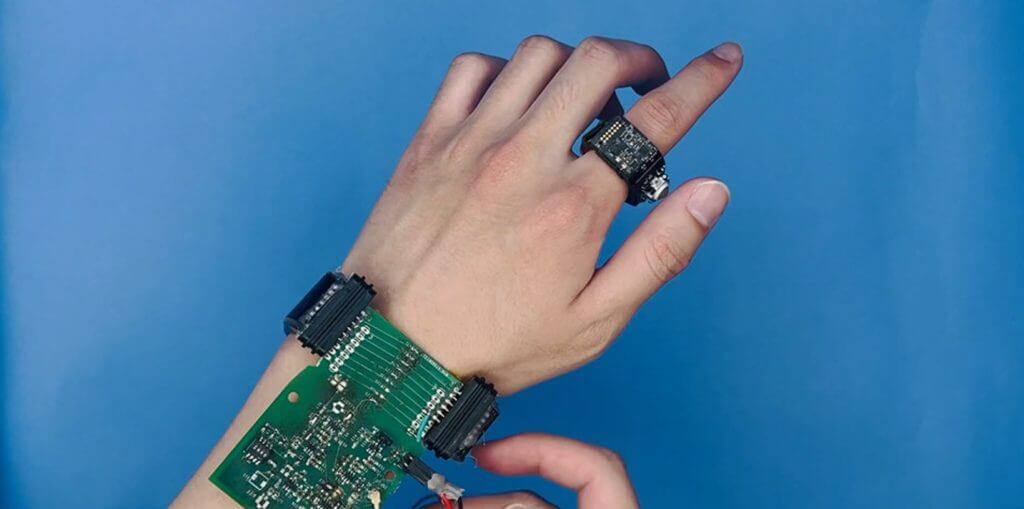
The researchers said future improvements could make the device smaller, more sensitive and easier to use in everyday situations. However, it is unlikely to ever become the go-to device for more intensive office work.
