

The iPod is one of the most iconic technology products in history — a gadget that forever changed the way we listen to music. From the first clunky MP3 players in 1998 to Apple ’s dominance and the iPod ’s eventual discontinuation in May 2022, the history of portable digital music players is a fascinating tale of technological innovation, commercial dominance, and eventual displacement by the smartphone. Today, however, the genre is experiencing an unexpected resurgence, as new generations of users rediscover the allure of the dedicated music device.
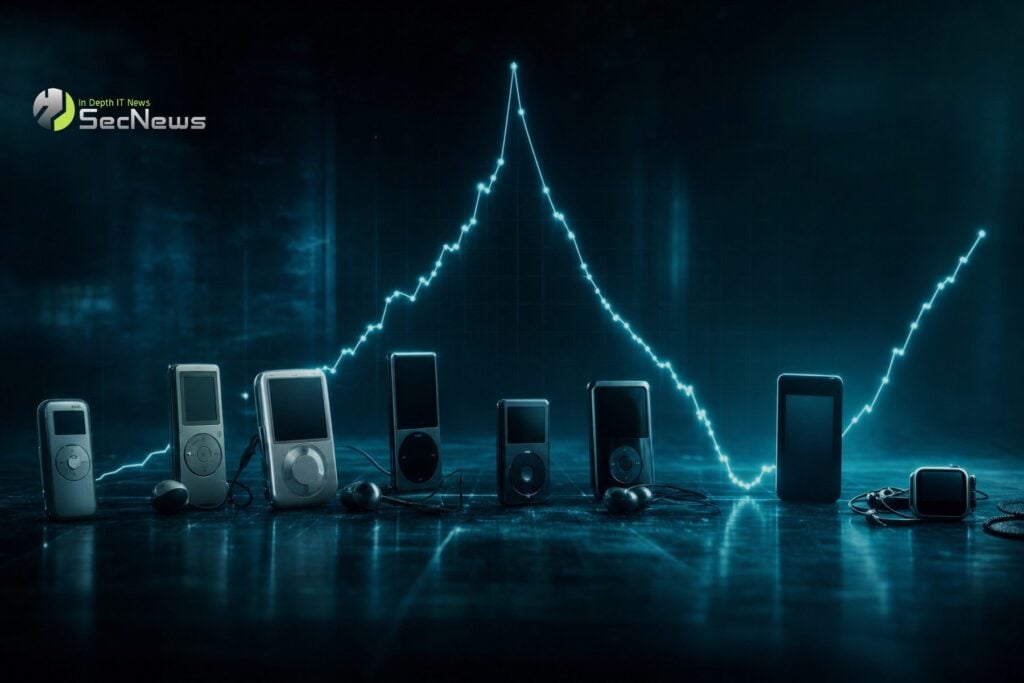
Before 1998, portable music meant cassettes or CDs. Listeners carried bulky cases of records or Walkmans with cassettes, struggling with the limitations of the physical medium. The advent of MP3 changed everything: it dramatically reduced the size of digital audio files while maintaining acceptable quality, making it practical to store music on flash memory and hard drives. This technological development paved the way for a whole new category of products.
The MPMan F10, developed by South Korean company SaeHan Information Systems, is generally considered the first commercial MP3 player. It was released in Asia in March 1998 with just 32 MB of storage space—enough for about 12 songs—and was about the size of a deck of cards. In the West, the device that made a difference was the Diamond Rio PMP300, released in September 1998 and gained attention in part because the RIAA ) sued Diamond Multimedia in an attempt to stop the spread of MP3s. Despite the legal risks, the market continued to grow.
See also: Happy Birthday iPod: 24 years since its launch
The iPod and the MP3 player revolution
Apple entered the market on October 23, 2001, with the first-generation iPod , which featured a 5 GB hard drive — enough for “1,000 songs in your pocket ,” as Steve Jobs touted it . But the iPod’s success wasn’t just about storage. Apple paired the device with the famous scroll wheel , a hierarchical menu system, fast syncing with a computer via iTunes , and — by 2003 — the iTunes Store , the first massively successful digital music store. Apple didn’t just solve the problem of MP3 playback — it solved the broader problem of managing a digital music collection.
The company quickly expanded the line: the iPod mini (2004) reduced the size and price, the iPod nano (2005) replaced the hard drive with flash memory in an ultra-thin body, the iPod shuffle (2005) targeted budget-conscious buyers, and the iPod touch (2007) added a touchscreen and iPhone-like software. The portable music player market peaked around 2007, with sales of about 210 million units per year and revenues reaching $21.6 billion in 2008.
However, competition was fierce. Companies such as Creative , Microsoft , SanDisk , Sony , which brought the Walkman brand to the digital age, as well as Samsung , Archos , and iRiver , all sought to challenge Apple's dominance . Many competitors offered comparable sound quality or storage space, but none could duplicate Apple's complete ecosystem — the combination of hardware, software, retail presence, and brand recognition.

The fall of the iPod and the era of the smartphone
The standalone MP3 player had been declining even before Apple officially decided to abandon it. As early as 2006, MP3-capable mobile phones were outselling standalone devices. The iPhone, introduced in 2007, dramatically accelerated this shift, combining music playback with telephony, Internet access, a camera, applications, navigation, and messaging. By 2011, iPhone had surpassed those of the iPod — a clear sign that Apple's smartphone had become the dominant platform for music.
See also: The iPod Touch Was Released 19 Years Ago Today
The rise of streaming changed things again. Services like Spotify, Apple Music , and YouTube Music gave users access to tens or hundreds of millions of songs without the need for local storage. This drastically reduced the importance of storage capacity, file management software, and buying individual tracks. Apple stopped reporting iPod sales as a separate economic category in 2015 and eventually discontinued the entire line on May 10, 2022.
The technological evolution of portable music players has gone through several stages: from flash memory devices (small, durable, but with limited space) to hard disk devices (larger capacity, but sensitive to vibrations), to devices with color screens that allowed photos and videos, and finally to devices with touch screens . Today, specialized high-fidelity devices ( Hi-Fi DAP ) use Android operating systems , support lossless formats such as FLAC , have dedicated DAC and amplifier chips, Wi-Fi streaming , Bluetooth and USB-C charging .
The revival of the MP3 player in the era of digital detox
Despite the collapse of the mass market, the standalone MP3 player industry hasn’t completely disappeared. There are signs of a nostalgic revival: in the UK, searches for iPods increased by 31% between January 2025 and January 2026, while searches for the third-generation iPod increased by 47% and the fifth-generation by 41%. Even more impressive: sales of the iPod Shuffle increased by 453% year-on-year at a single retailer.
This resurgence is no coincidence. Many users are looking for smartphone alternatives for reasons related to digital detox: reduced distractions, nostalgia, physical ownership of files, privacy, and the desire to avoid carrying a powerful connected computer around with them. These buyers aren’t looking for a mass smartphone replacement — they’re looking for a more focused, less distracting listening experience.
See also: This case turns your Apple Watch into a tiny iPod
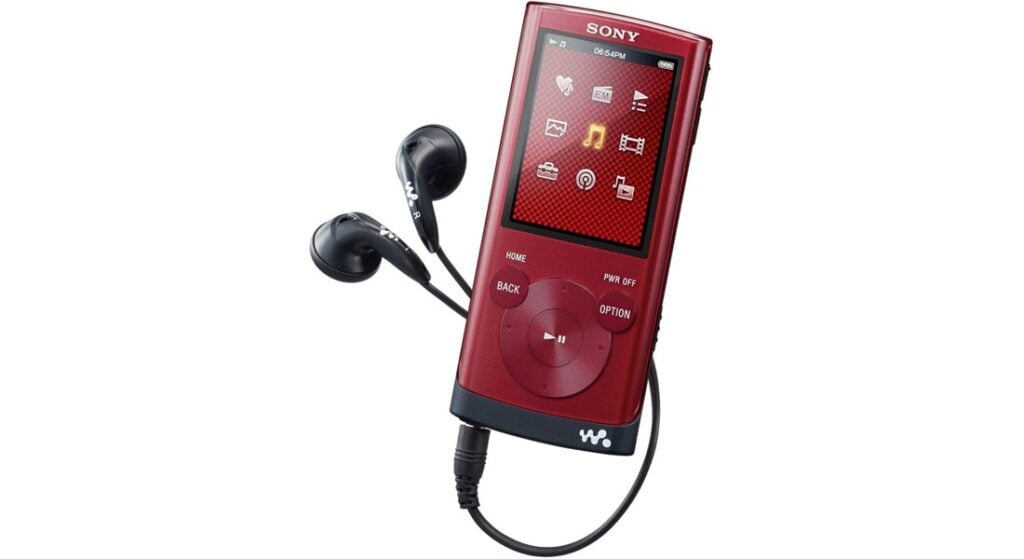
The legacy of the iPod and MP3 players in general is profound. Apple didn’t abandon portable music — it brought it to the iPhone. The iPod created the habits and infrastructure that Apple was able to leverage more effectively through the smartphone, accessories, apps, and subscription services. A standalone player generated a one-time hardware sale; an iPhone supports recurring services revenue and broader engagement with the ecosystem. It’s a story of strategic cannibalism — Apple destroyed its own product to create something even more powerful.
Today, the cycle continues. Niche markets — audiophile, fitness, kids, digital detox — keep the standalone MP3 player, albeit on a much smaller scale. The story of the iPod remains one of the most instructive examples in the world of technology: how a company can dominate a market, redefine it, and ultimately transcend it — leaving behind a legacy that still inspires nostalgia and admiration decades later.
