

Apple ’s new security camera in development is perhaps the company’s most interesting — and most controversial — move in the smart home space . According to respected analyst Mark Gurman , Apple is preparing a camera that doesn’t record video , but uses artificial intelligence to analyze the environment and provide users with text-only descriptions of events . It’s a radical approach that puts privacy at the center, but at the same time raises questions about the practical usefulness of such a device.
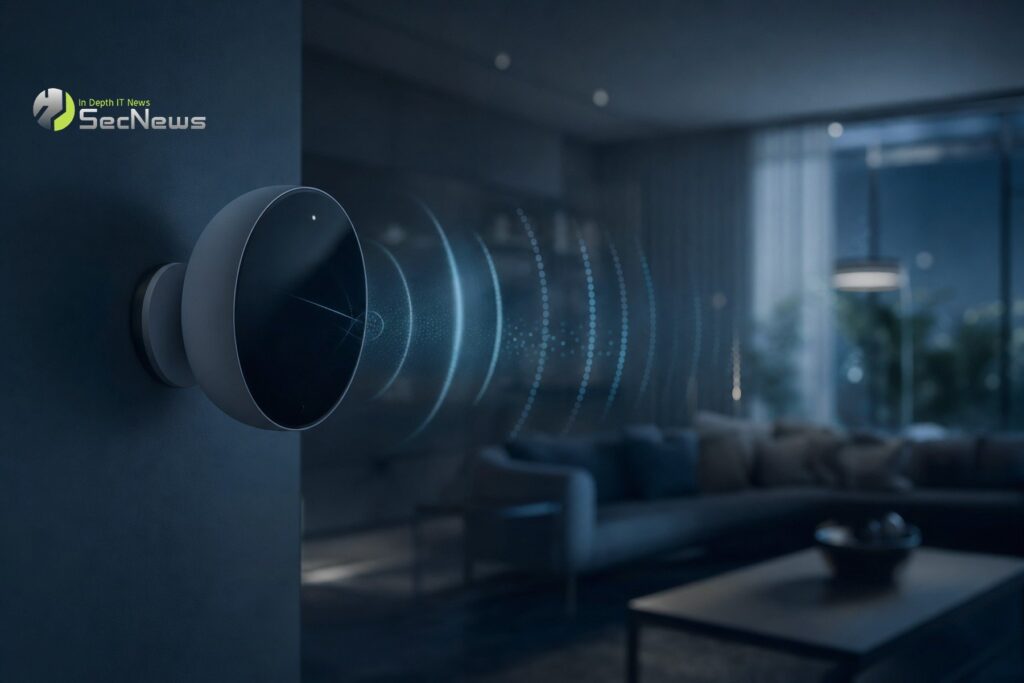
Gurman revealed the details in the first episode of the Power On, describing the project, codenamed J450. The camera will be a companion product to the J490, Apple's much-anticipated smart home hub that's expected to launch next month. According to the description, the device has a cylindrical shape that resembles a "metal chapstick" and operates at an extremely low frame rate — which in itself precludes it from recording usable video.
Apple's smart home ecosystem is expanding rapidly, with the company investing in both first-party and third-party security products. This strategy shows that Apple wants to create a complete smart home ecosystem, competing directly with Google, Amazon and Ring — except that it is positioning privacy protection as a key differentiator.
See also: Apple Stores receive 'Do Not Open' boxes ahead of Smart Home product launches
Apple security camera: How AI technology works without video
The technology behind security camera is particularly interesting from a technical perspective. Instead of using technologies like mmWave for presence detection, the device appears to rely on an image sensor with built-in artificial intelligence that processes data on-device — that is, directly on the device, without sending images to external servers. This approach is very reminiscent of Sony's IMX500 sensors, which integrate a neural network processor directly into the sensor chip.

The logic is simple but powerful: if there is no video, there is nothing to store and protect. The sensor analyzes the environment in real time, detects movements, faces and events, and then produces text-only descriptions — e.g. “A person entered the living room at 2:32 p.m.” The raw image data is never stored, transmitted or accessed by anyone, not even Apple itself.
According to Gurman, the camera will also feature facial recognition, allowing the system to detect when a known or unknown person enters a room. However, even in this case, the user only receives a text notification — without any ability to access images or video. As the analyst said, “You don’t get anything except text descriptions. You can’t do anything with it. There’s no video recording.”
Apple Security Camera vs HomeKit Secure Video: What's changing
Apple is no stranger to home security cameras. Apple Home already supports cameras via HomeKit Secure Video, a protocol that encrypts and stores video in iCloud in a way that even Apple can’t access. HomeKit Secure Video already has a “Detect Activity” feature that stops video streaming and recording but continues to track movement — something similar to what Gurman describes for the new camera.
The difference is that Apple's new security camera doesn't even have the ability to record video — it's not an option that can be disabled, but a fundamental architectural decision. This means that even if someone gains access to the device or the network, there's nothing to "steal" in the form of images. This approach is radically different from what competitors like Amazon 's Ring or Google 's Nest offer , which store video in the cloud and have been criticized for privacy violations.
See also: Apple's Smart Home Hub: Everything we know so far
It's also worth noting that the technology used by the new camera is "very similar" to what Apple is developing for AirPods with built-in cameras — a project that leaked earlier this year. This suggests that Apple is developing a single AI platform for on-device visual data analysis that will be applied to multiple devices in its ecosystem.
The question is whether consumers will accept a security camera that doesn't show them what's going on in their home. For many, the ability to view live or recorded footage is the main reason to buy a security camera. Apple is betting that there's a market for users who want the peace of mind of monitoring without the risk of exposing private moments — especially in the wake of scandals like the Ring data breach or the revelation that company employees had access to users' private videos.
See also: Apple smart home: Wide range of products – See what's coming
Privacy and Apple Camera: The Future of the Smart Home
Apple's move comes at a time when privacy in the smart home is a central issue. Research shows that a significant percentage of consumers avoid security cameras precisely because of privacy concerns — they fear breaches, hacking, or even abuse by the companies themselves. Apple's video-free security camera is aimed precisely at that audience
However, there are also serious concerns. facial recognition , even without storing images, raises questions about how Apple handles biometric data. Also, the reliability of text descriptions depends on the accuracy of the AI — a system that makes mistakes in recognition can be more dangerous than one that does not recognize at all. According to The Verge, Apple has not yet officially confirmed any of this information.
