

Apple is working on a new smart home accessory that will act as a hub for interacting with Siri, controlling HomeKit devices , watching videos, checking calendars and weather, and generally providing useful information to all the residents of the home. This guide brings together everything we know about Apple's Smart Home Hub
See also: Apple Smart Home Hub won't be released until September
Design
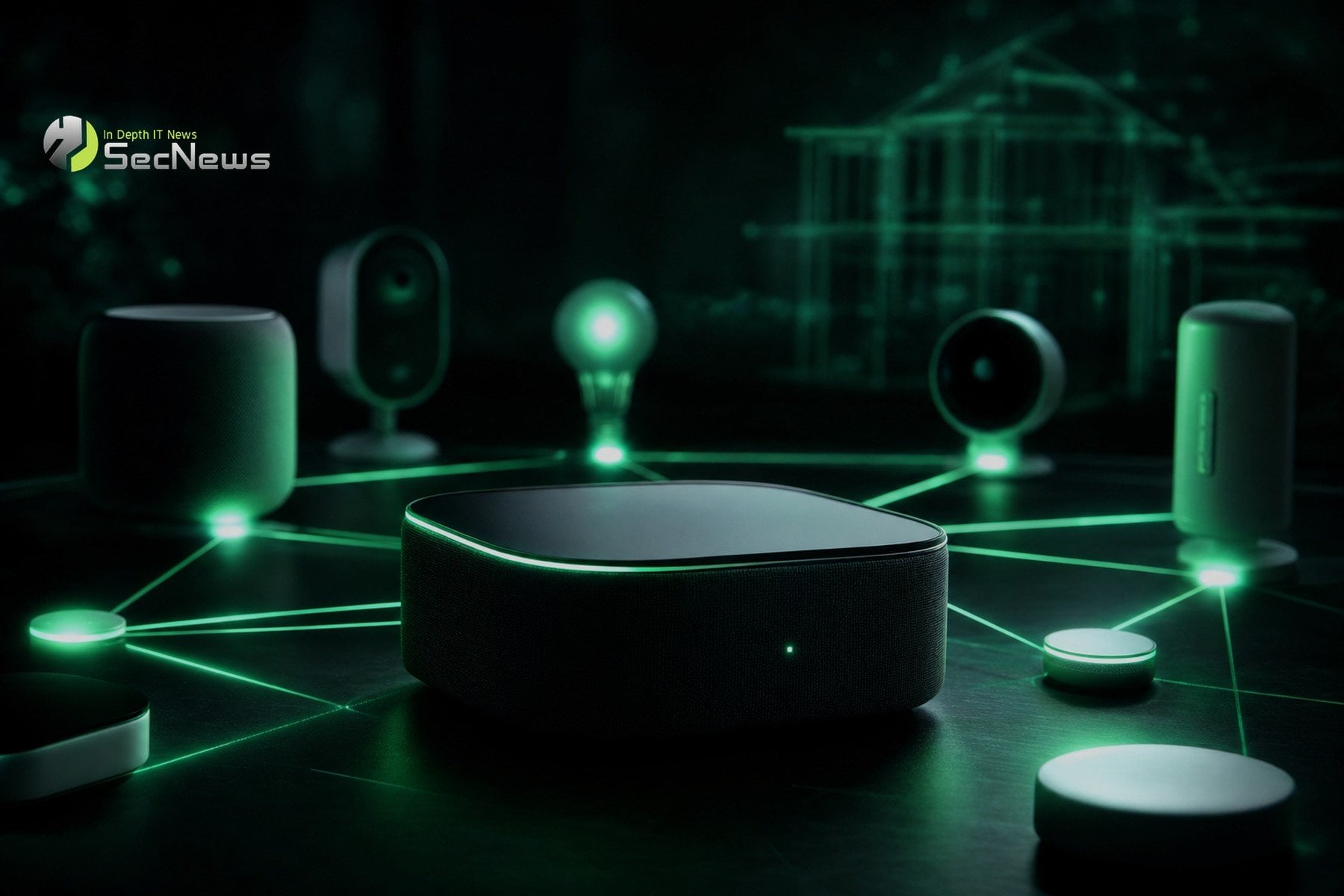
Apple's smart home device will look somewhat like an iPad and will have a screen-centric design. It is expected to be square instead of rectangular and will measure 6 inches in size with a quarter-inch thick black border around the edges.
In terms of size, it will look like two iPhones placed side by side and be about as thick as an iPhone. Apple imagines people will have multiple hubs in different rooms of the house. The device will support touch input for opening apps and controlling connected devices.
Apple is making two versions of the Smart Home Hub. One will have a 6-inch display and is intended to be mounted on a wall, while the second version has the same 6-inch display and a hemispherical speaker stand that resembles the iMac G4. The display is attached to the stand with a polished metal arm that holds the small display and allows it to tilt forward or backward. The stand has holes for the speakers and a rubber base for stability.
The wall-mounted version will have a slim square base for the speakers and microphones and will sit flat against the wall. Both models will have a 1080p camera on the front for FaceTime, user authentication, and recognizing different people in the home. Apple plans to release the hub in a space-age aluminum finish. The device has no internal battery and is intended to be used while plugged into power via USB-C.
Sensors
The smart home hub will be able to determine how close a person is and adjust its functions accordingly. When no one is nearby, for example, it might show the temperature, but as someone approaches, it might jump to an interface for adjusting the thermostat.
Facial recognition will likely allow it to be used in smart home automation for actions like turning on lights when someone enters a room. The sensor will be able to distinguish one person from another and could recognize gestures for control from a greater distance.
Facial recognition
The Smart Home Hub will use a feature similar to Face ID along with voice to authenticate and identify who is in a room. With the recognition capabilities, the home hub will be able to switch to the profile of the person in the home interacting with the device. Each user will have a customizable profile and interface with options to switch profiles through the Control Center.
The camera won't be as accurate as Face ID, so voice is an alternative. Apple's HomePod also uses voice recognition for some personalized features. Users will be able to set up secondary authentication with an iPhone for added security, and a guest mode will hide personal information. Rumors suggest there's a light at the edge of the screen, similar to the one on the Mac, to provide illumination so the device can recognize people in the dark.
See also: Apple Home Hub: Widget Gallery with iPhone Widget Support?
Processor
Apple 's smart accessory is expected to use an A18 processor or better to support Apple Intelligence. Since Apple Intelligence requires at least 8GB of RAM, it will have at least 8GB of RAM.
Operating system
Apple's home hub will run an operating system that Apple internally refers to as "Charismatic," although it may be called homeOS when it's released. It will use elements from tvOS, watchOS, and iOS, and will sync with the iPhone for setup purposes.
Interface
Apple doesn't plan to create a dedicated App Store for the Smart Home Hub, but it will come with a number of pre-installed apps. The main display will be a customizable home screen with widgets that can show the weather, important home controls, photo views, upcoming events, and more. A built-in camera will scan each user's face, revealing different apps and a Home Screen for each person.
The interface is something of a cross between watchOS and the iPhone's StandBy mode, with a strong focus on watch faces and photo views when the device is idle. The Home Screen will feature icons similar to those on the Apple Watch, but apps will have a design similar to the iPad's two-panel layout. There will be familiar customization options, such as pressing and holding to rearrange icons and swiping up to access the app launcher.
There will be a Widget Gallery that will suggest widgets from a connected iPhone. Widgets displayed on the device from a connected iPhone will only display widget content when the primary user is at home. A Smart Stack will be available to intelligently rotate through different widget options throughout the day, and the watch will be customizable with a Face Gallery.
The Smart Home Hub will adopt the Siri AI aesthetic, with darker design elements. There will be a software base available to launch apps, and the hub will be built around Siri AI.
Applications
Several Apple apps will be pre-installed, although there won't be a dedicated App Store. The rumored apps include:
- Safari
- Apple News
- Apple Music
- Apple Podcasts
- Notes
- Calendar
- Photos
- Home
- Messages
- Reminders
- FaceTime
The Smart Home Hub will support integration into HomeKit scenes along with other smart home products and will play video, so it can be used for things like following a recipe in the kitchen.
Intercom
More than one device can be used throughout the house, and two or more can function as room-to-room intercoms.
AirPlay
With its built-in speakers, the device will support music playback and can function as an AirPlay receiver.
HomeOS Trademark
Apple appears to be using a shell company to trademark the “homeOS” trademark in various countries around the world, with the filing starting in October 2024. Apple has secured the homeOS trademark in Liechtenstein, and filings are pending in the U.S., Argentina, Peru, and other countries.
Future Smart Home Accessories
Apple is creating an indoor security camera that will connect to the home hub, rumored for 2027. Privacy will be at the forefront, providing an alternative to cameras from companies like Ring and Nest.
Price
Apple's home hub could cost around $350, which would make it more expensive than competing products like the Amazon Echo Show.
See also: Ugreen HomeAgent: Smart home hub with local data storage and AI

Release Date
Apple's smart home hub is rumored to debut on October 13th alongside a new Apple TV 4K and a new HomePod mini.
