

Norway plans to ban the use of AI glasses in selected public spaces for a limited time, citing concerns that people could be recorded or photographed without their knowledge. The ban comes at a time when AI glasses technology is rapidly evolving and becoming more accessible to the general public.
See also: Norway recommends replacing SSL VPN to avoid breaches
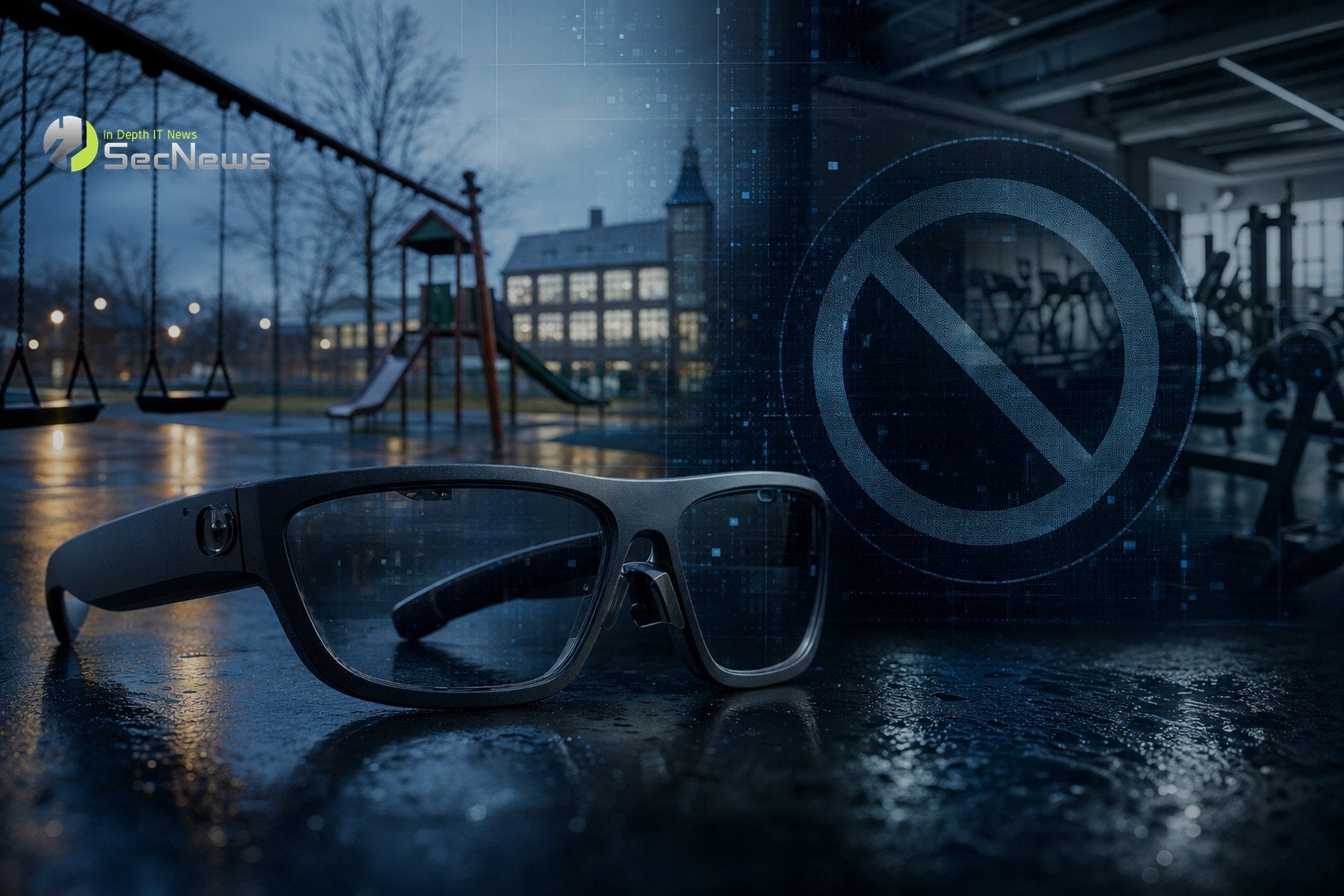
These glasses, equipped with cameras and microphones, offer the ability to record video and audio, as well as analyze data in real time through artificial intelligence algorithms.
The ban could cover areas where the public often gathers, such as parks, beaches, museums, shopping malls and public events. These places are particularly sensitive, as people often expect a level of privacy and anonymity. The ability to record without consent raises serious data and privacy issues that lawmakers are trying to address.
In addition, the ban may apply to schools, playgrounds, youth clubs, clinics, swimming pools and gyms with changing rooms. These places are particularly critical, as they include vulnerable groups, such as children and young people, who need additional protection from unintentional recording and monitoring.
Norway's Minister for Digitalization, Torgeir Micaelsen, expressed his concern, saying: “I am concerned that new, powerful technology is being introduced where people risk being photographed, recorded or audio-recorded without knowing it.” This statement highlights the importance of protecting privacy in an era where technology can easily violate personal boundaries.
See also: Norway: Banning social media for children under 16?
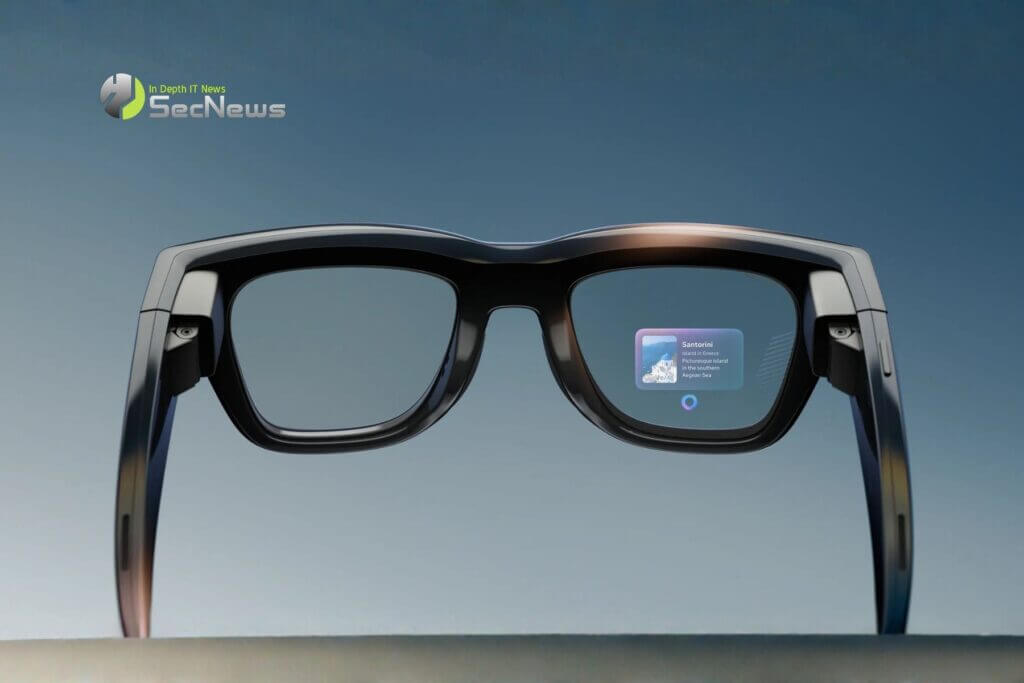
However, the government clarified that it is not planning a blanket ban. Private use and situations where others are not at risk of being recorded without consent will still be allowed. This means that users can continue to use the AI glasses in private spaces or in situations where there is explicit consent from the people being recorded.
The government has yet to specify which devices the ban will cover. It could include glasses with a camera and microphone, glasses with a camera and AI features, or other wearable technologies that can perform similar functions. This uncertainty creates challenges for manufacturers and users as the technology continues to evolve and incorporate new capabilities.
The minority government intends to introduce a bill in parliament as soon as possible and will set up an expert group to advise on permanent regulations for such devices. This move shows the government's intention to take into account technological developments and social impacts before implementing any permanent measures.
The push for camera glasses is also growing in other parts of Europe. Recently, Dutch optician chain Hans Anders stopped selling Meta’s Ray-Ban glasses in the Netherlands and Belgium. In addition, several venues in the UK have started banning Meta’s Ray-Bans, and New York has banned smart glasses from its courtrooms. These developments show that the issue of privacy and recording without consent is not just a Norwegian phenomenon but a broader European and international issue.
See also: DeepSeek plans large order of Huawei chips for new data center in Inner Mongolia

The debate over AI glasses and their implications for privacy and society is expected to continue as these technologies become more widespread. Policymakers and experts will need to find a balance between innovation and protecting citizens’ rights, ensuring that the technology is used in ways that benefit society without violating individuals’ privacy and security.
