

In the Northern Hemisphere, now is the perfect time to observe a new comet before it disappears for 400 years.
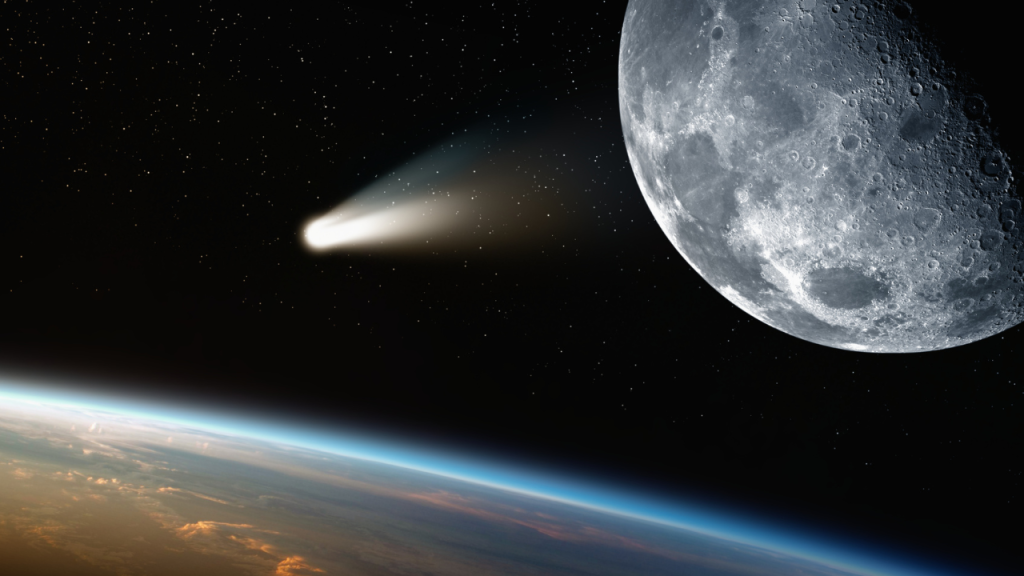
Astrologers should hurry to take a look, either this week or early next, because it will be another 400 years before the wandering ice ball returns.
The comet, which is about a kilometer (1/2 mile) across, will pass close to Earth at a safe distance on September 12, traveling a distance of 78 million miles (125 million kilometers).
See also: The Earth's axis is shifting due to excessive groundwater pumping
Early risers should head to the northeastern horizon about 1-1/2 hours before dawn. To be precise, less than 10 degrees above the horizon near the constellation Leo.
The comet, as it approaches the sun, will become brighter, but will descend to a lower altitude in the sky, making it more difficult to spot.
Although the comet is visible to the naked eye, its image is extremely faint.
"To really be able to identify it, you need a quality pair of binoculars and you also need to know where to look," said Paul Chodas, Manager of NASA 's Center for Near-Earth Object Studies .
See also: Samsung Galaxy S23 may offer satellite communication
The comet will come even closer to the sun than Mercury on or around September 17 before leaving the solar system. While there is a chance it will survive its passage by the sun, there is no support for its disintegration, according to Chodas.
Italian astronomer Gianluca Masi, founder of the Virtual Telescope Project, informs us via email that next week offers “the last, feasible chances” to enjoy the spectacle of the comet from the northern hemisphere before it disappears into the sunlight.
"The comet looks impressive right now, with a long and very structured tail. It's a wonderful sight to see with a telescope," he said.
Mr. Masi, sitting on the horizon during the night twilight, describes the situation in detail and stated that “if the comet remains untouched by the sun’s radiation, it will still be visible in the southern hemisphere until the end of September.”.
See also: Sun: A piece of it broke off, creating a strange vortex
Stargazers have been observing the rare green comet since it was discovered by an amateur astronomer in Japan in August. Comet Nishimura now bears his name.
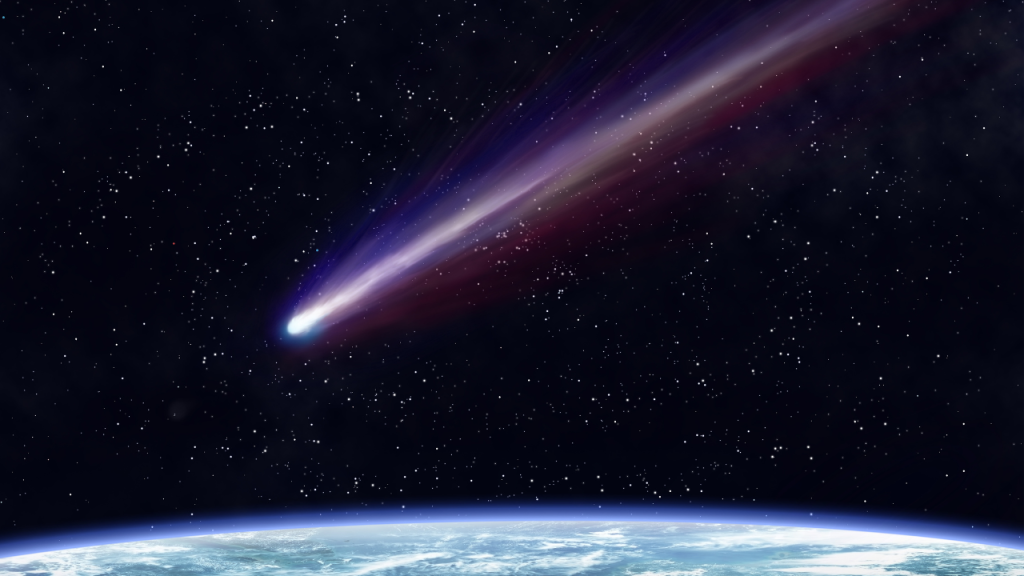
It's unusual for an amateur to discover a comet these days, especially considering the professional sky surveys conducted with powerful ground-based telescopes. Chodas said: "This is his third discovery , which is very important for him."
The comet last visited Earth about 430 years ago, according to Chodas. That means it happened about a decade or two before the inventor of the telescope, Galileo.
Source: ksat.com
