

The selfies with face mask are not seen only by your friends and family – they are also collected by researchers who want to use them to improve facial recognition algorithms. CNET found thousands of selfies with masks for capture in public databases, with photos that «were collected» directly from Instagram.
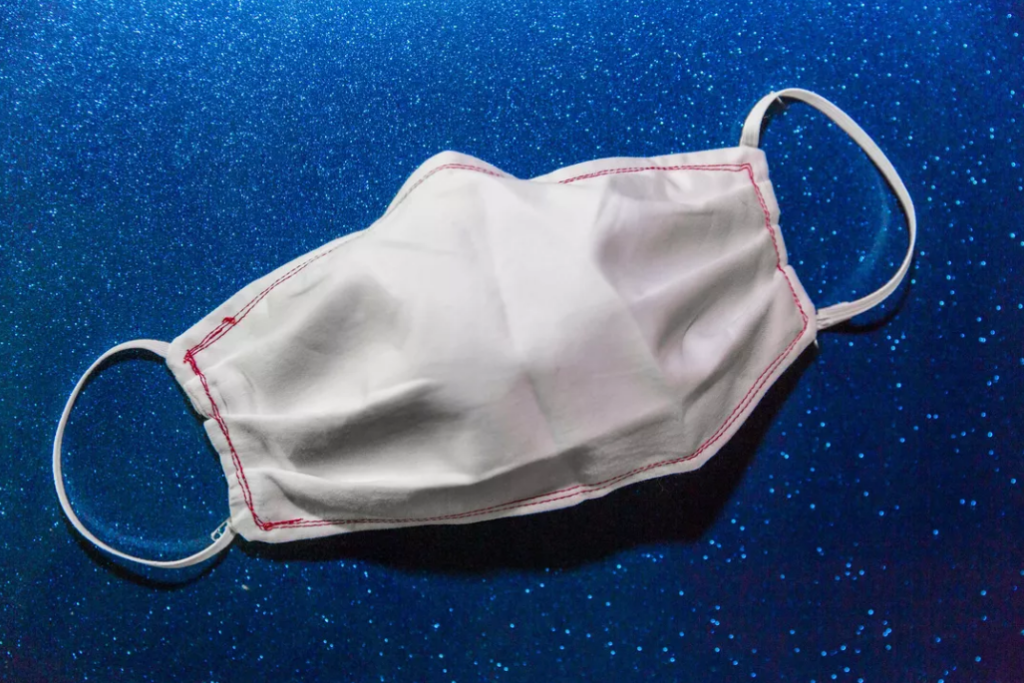
The COVID-19 pandemic has forced everyone to wear face masks. Naturally, this has created a problem for facial recognition companies. Face masks cover up a significant portion of what facial recognition needs to identify and locate people — effectively threatening the future of a multi-billion dollar industry unless the technology can learn to recognize people without being affected by masks.
To do this, they need more covered photos to train their algorithms.
In April, researchers published the COVID19 mask dataset on Github, using more than 1,200 images collected from Instagram. A month earlier, researchers from China compiled a database of more than 5,000 mask photos they collected online.
The creators behind the April database used the Workaround AI startup to help with the accurate recognition of faces in photos, with or without a mask, said Wafaa Arbash, CEO of the company.
“We were inspired by all the companies that released free tools and what they can do to help,” Arbash said. “We have these public images from Instagram, so they’re not private images. We just searched and found the right data.”
Facial recognition companies have long used images of people without their consent to train their algorithms. Civil liberties advocates argue that facial recognition technology threatens privacy and free speech, warning that there are almost no laws to prevent the misuse of the surveillance tools.
Clearview AI, a controversial facial recognition company, claimed that it has the right to harvest more than 3 billion images from social networks for use in its database.
Governors in more than half of the US states are requiring citizens to wear masks in public because they help prevent the spread of COVID-19. Masks have also slowed the spread of facial recognition, as clothing blocks key parts of your face that the technology typically analyzes .
Some facial recognition providers turned to ask their own employees to send selfies with face masks, to process the recognition workflow.
However, edited photos with face masks may not be as effective as organic images for training algorithms. Facial recognition companies also need a diverse set of images so that algorithms can better recognize women, people of different ages, and a variety of mask types.
For her company’s public database, Arbash said the photos came from searching Instagram for hashtags related to masks. They gathered about 3,000 photos from the social media platform, but whittled them down to a set of 1,200. Sample images posted included a photo of a child — Arbash said it was likely an error that this image ended up in the company’s database.
Arbash said that they did not ask the individuals included in the database for permission to use their selfies and that if they wanted to be excluded, they could make their pages private. The individuals included are not aware that they are in this dataset, he said.
“We’re not making money off of this, it’s not commercial,” Arbash said. “The goal and intent was to help all the data or machine learning engineers who are working to fix this issue and help with public safety.”
"We do not allow third parties to collect or use selfies posted by our users in this way without consent . We are continuing to investigate this," Facebook in a statement.
