

A new study on the possibilities of biology suggests that in the future, computers could run on bacteria! As strange as it may sound, with a little research and effort, biology could replace the silicon used in computing devices with bacteria.
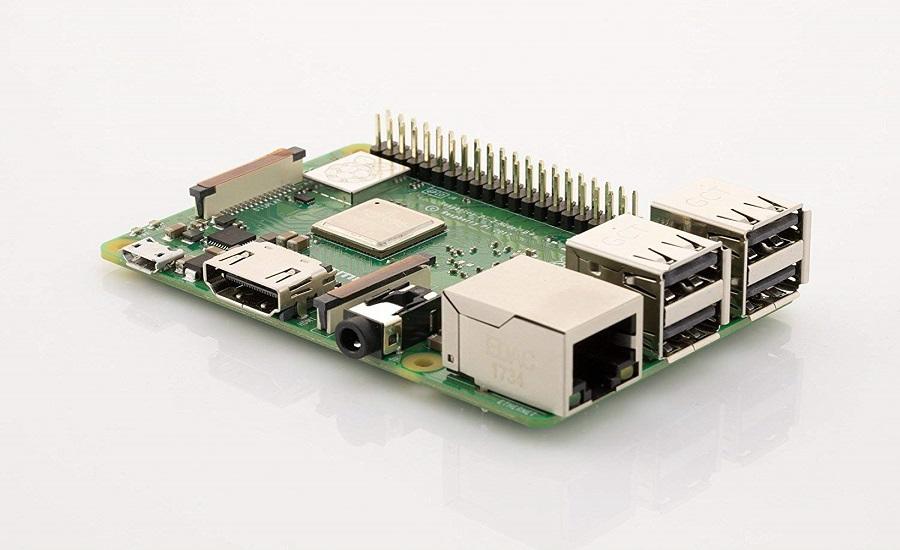
Researchers Raphael Kim and Stefan Poslad from Queen Mary University of London describe in their paper how the commonly used E.coli bacterium can function just like a Raspberry Pi.
Programming such organic “devices” is not going to be easy, but once a little more knowledge is gained about how DNA can be used, workstations will begin to transform into biology laboratories.
The researchers also explained how this transition will be accomplished. For now, the tools and techniques for conducting small-scale experiments with microorganisms are readily available.
Anyone can buy a kit with the appropriate tools and materials to carry out such experiments. “Bacteria, especially E. Coli, are the ideal tool to promote such projects, since they are easy to obtain, grow and maintain.”
But the important question is whether the microbes are safe to use?
The standard strain of K-12 E.coli used in the Amino laboratory is relatively safe to use. It has been biologically engineered to be non-pathogenic and does not spread outside the laboratory environment.
A K-12 strain is easy to buy in America and most parts of Europe. However, the starter kits currently available on the market are more educational than useful. For example, Amino Labs' Engineer it Kit produces E. coli that can make proteins of different colors.
The paper concludes: “Although high-tech bacteria can provide effective communication systems, they are ultimately biological entities, which can produce unexpected results (e.g. mutations). Overall, while the use of bacteria in IoT and HCI offers exciting opportunities, they also present new ethical challenges, which provide additional scope for discussion.”
