

For the first time, the Federal Bureau of Investigation (FBI) has unlocked a suspect's iPhone X using Face ID. The US agency forced Grant Michalski, an Ohio resident accused of downloading and possessing child pornography, to unlock his iPhone X on August 10.
It should be noted that the FBI had the necessary search warrant which allowed it to force Michalski to unlock his phone.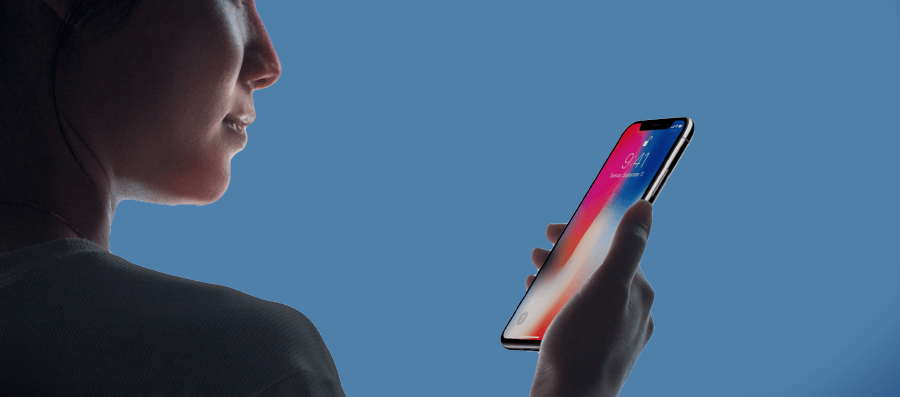
After opening the phone, FBI Special Agent David Knight discovered conversations on the Kik chat-messenger that involved child abuse. Michalski had spoken to a police officer posing as a father interested in having sex with children. He had also exchanged emails with another suspect (William Weekley) about having sex with minors.
Despite unlocking Michalski's phone, Knight was unable to gather any more information due to a new iOS feature that requires entering a passcode to transfer the data to a computer.
Under US law, suspects are not required to reveal passwords, but there is no law regarding facial and fingerprint data. So due to the vagueness of the law, authorities can ask anyone to unlock their device using biometric data.
The warrant mentioned above did not allow Knight to request the password to examine the data. However, the Columbus Police Department and the Ohio Office of Investigation were able to unlock the device with special tools.
Companies like Grayshift and Cellebrite have long offered services for accessing locked iPhones. Both companies have contracts with various US government agencies.
Apple and US authorities have been playing a game of cat and mouse since 2016, when the Cupertino company refused to unlock a suspect's phone. The company later rolled out a feature in iOS 11 that allowed users to temporarily disable Touch ID by pressing the volume up button five times. Recently, someone even created a shortcut in iOS 12 to automatically disable the iPhone's camera in the event of a police search.
If you are interested in this particular shortcut, you can download it from here.
_____________________________
- SSD: How do they work? Advantages and disadvantages
- CLOUD: the law that passed under the table & concerns us all
