Insurtech is the transformation of the insurance industry with the help of technology, with the aim of improving customer experience, simplifying policy management and increasing competition.
Insurtech (you will also encounter it as “insuretech” or “instech”) is coming to revitalize the traditional insurance industry with the help of, among other things, mobility, big data, cloud infrastructure, AI, blockchain, VR/AR and IOT.
Sure, technology can make insurance cheaper. It can also make it easier to understand, buy, and manage. Understanding, in turn, makes it easier for people to recommend it to their friends, which is good for the insurer and good for consumers. You might wonder why it’s good for consumers… Because, of course, informed consumers are better able to choose the insurance that’s right for them.
Additionally, data mapping and analytics are improving at predicting the impact of natural disasters, even as the events themselves become less predictable. Insurers can better prepare for such incidents. Drones and parametric insurance are helping insurers assess the impact of natural disasters more quickly.
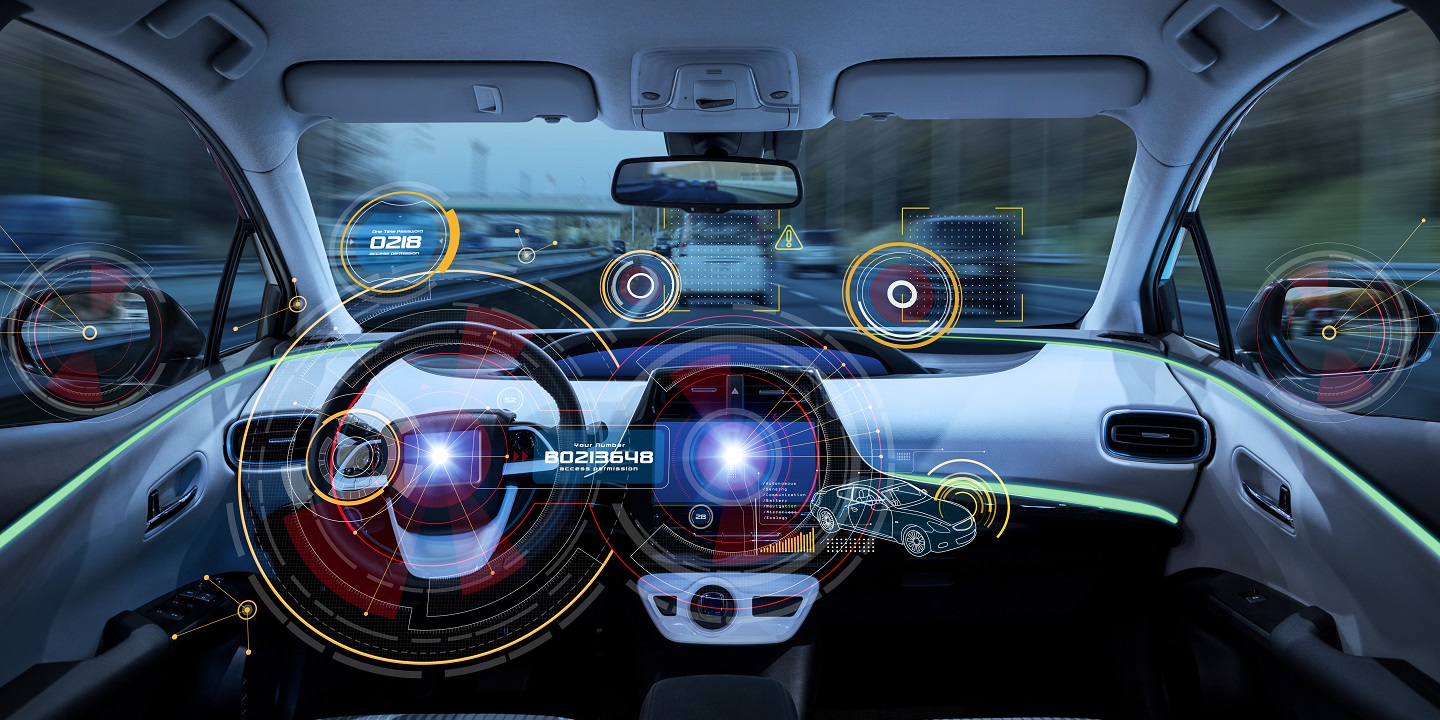
Insurtech is changing the insurance space in 5 ways:
- New business and technology models. Through price comparison platforms — aggregators, insurance of new products and services, use of disruptive technologies in traditional insurance industries (e.g. IOT, telematics in cars), decentralized business models of p2p insurance, and concentration of demand for the payment of insurance premiums, connection of insurtech business models with fintech (reinsurance, payments, etc.).
- Change in the traditional / existing value chain of existing insurance companies. New products and services that perfectly align with the needs of core business of insurance companies such as servicing, renewals, claims handling and management, payments, customer feedback. Traditional jobs can be done in a new way e.g. new service delivery channels through chatbots, claims management and integration with 3rd party service providers from the public sector etc.
- Growing and demanding audiences and users (e.g. millennials) and goods/services that can be insured in the logic of micro payments — micro insurance models.
- New opportunities for collaborative development of services based on open APIS by startups in collaboration with insurance and win-win partnerships for network development and task management (out sourcig).
- Utilization of existing infrastructure and information systems of insurance companies (e.g. CRM, databases) with the aim of digital transformation in the context of the API and opportunities in the development of IT outsourcing services for traditional companies in the industry.
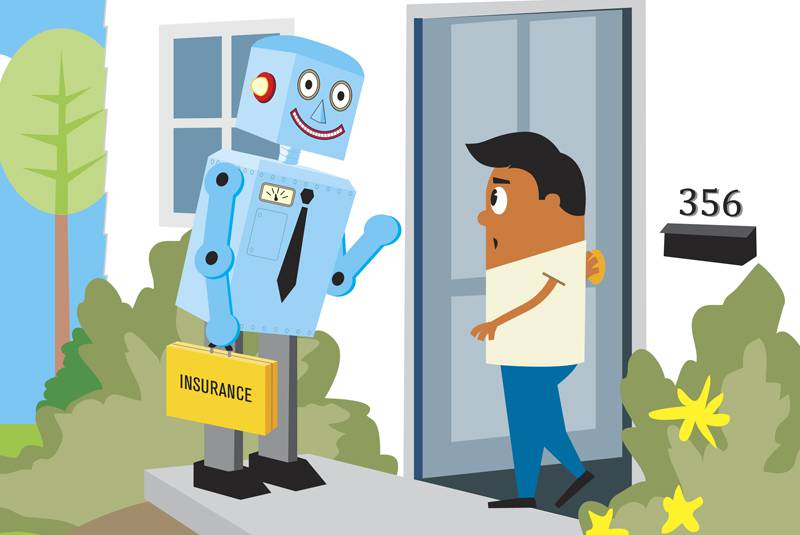
Insurtech companies use their digital expertise to maximize their value in a variety of ways that characterize truly digital businesses:
- Increased connectivity. Insurtechs are using artificial intelligence and bots to provide robo-advice through a digital customer environment with digital distribution.
- Targeted product concepts. Insurtechs are able to offer customized, small-scale products based on utility or value-added services.
- Full automation. With an automated approach, insurtechs reduce costs and speed up processes to meet customer expectations.
- Data-driven and information-driven decision-making. With access to various data sources, including telematics from installed boxes and smartphone apps, insurtechs are applying machine-learning techniques to offer innovative, personalized products and services.
There are many risks to traditional business models as digital innovation irrevocably redefines the next-generation insurance ecosystem. Incumbents must adapt or lose significant market share.