

Mobile appsaregreat fun, but they can be a huge time-suck and a distraction from your work. It takes more than just willpower to control your appetite for these apps. First, you need to understand how they work, and why they are so addictive.
Why You Should Be Cautious About Your Apps
Many apps entertain you, while some help you stay in touch with your friends and family.
But there’s a darker side to apps that many of us don’t know about. For example, we spend a lot more time on them than we think we do. According to research firm Nielsen, we spend 65% more time each month using apps than we did just two years ago. By the end of 2013, on average, we spent 30 hours and 15 minutes a month using apps. That’s almost two full days a month.
If you need further proof that we're addicted to our apps and phones, analyst Mary Meeker reports that on average we check our phones 150 times each day in her May 2013 Internet Trends Report.
Flurry Analytics defines a “Mobile Addict” as someone who uses apps more than 60 times a day. Based on their data from 500,000 apps on 1.3 billion devices as of March 2014, they saw the number of “Mobile Addicts” increase 123% between 2013 and 2014. In March 2014, there were 176 million “Mobile Addicts,” up from 79 million in March 2013.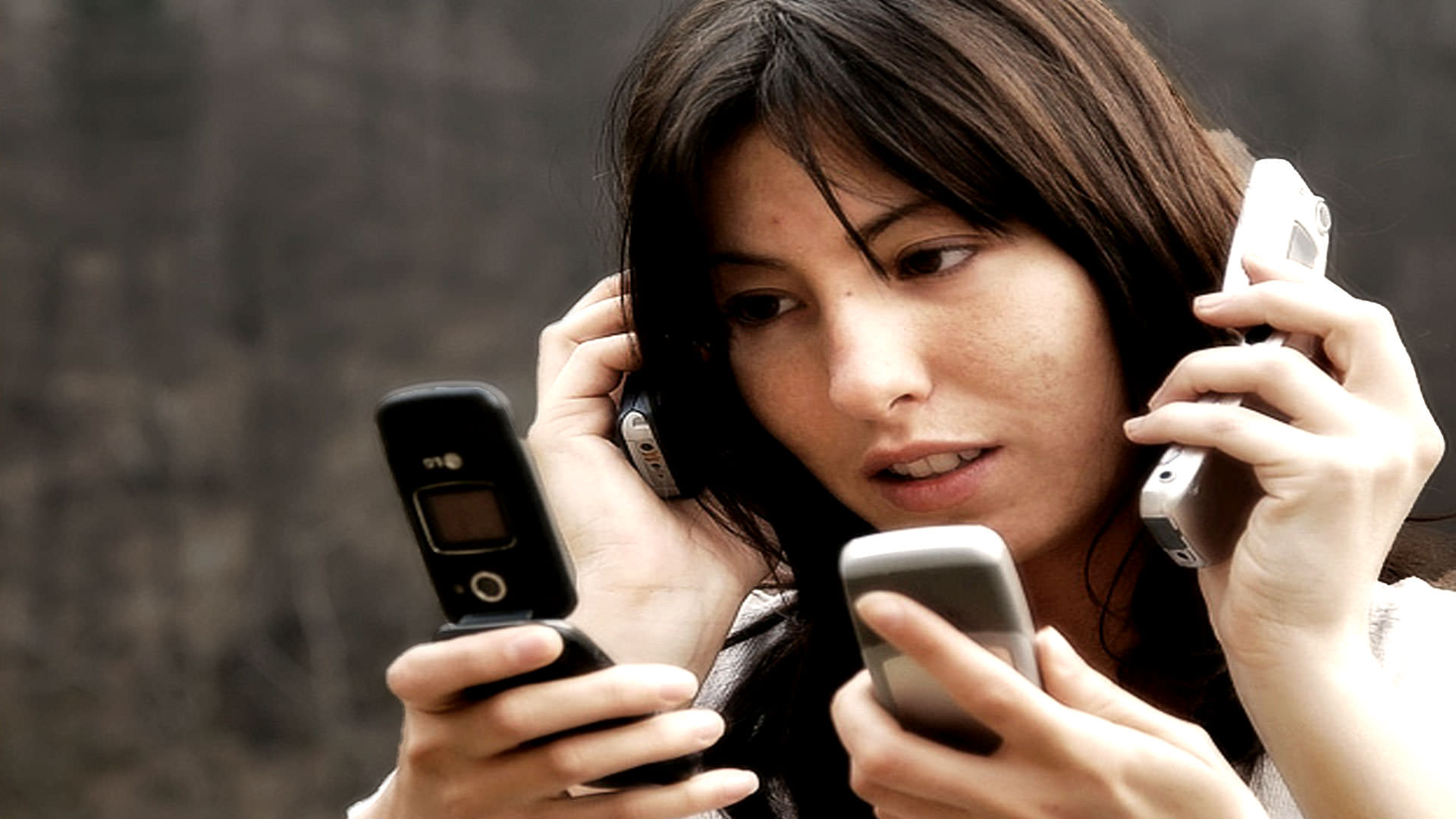
photo pacific54.com
If manufacturers of previous technology wanted to make their products more appealing, they didn't have the data or algorithms that app developers have today. Developers can track every interaction you have with the app, and use that data to make their products more addictive.
Of course, the solution is not to throw away all our apps. They are incredibly convenient and bring great benefits and joy to our lives. They are also increasingly useful. It's a lot like alcohol and how you want to use it. Alcohol is potentially addictive, but you can enjoy it in healthy, controlled doses.
Apps are not passive (by default). They constantly challenge you through your inbox and Push Notifications. Apps are designed to be addictive, they are designed to take control of your time and energy.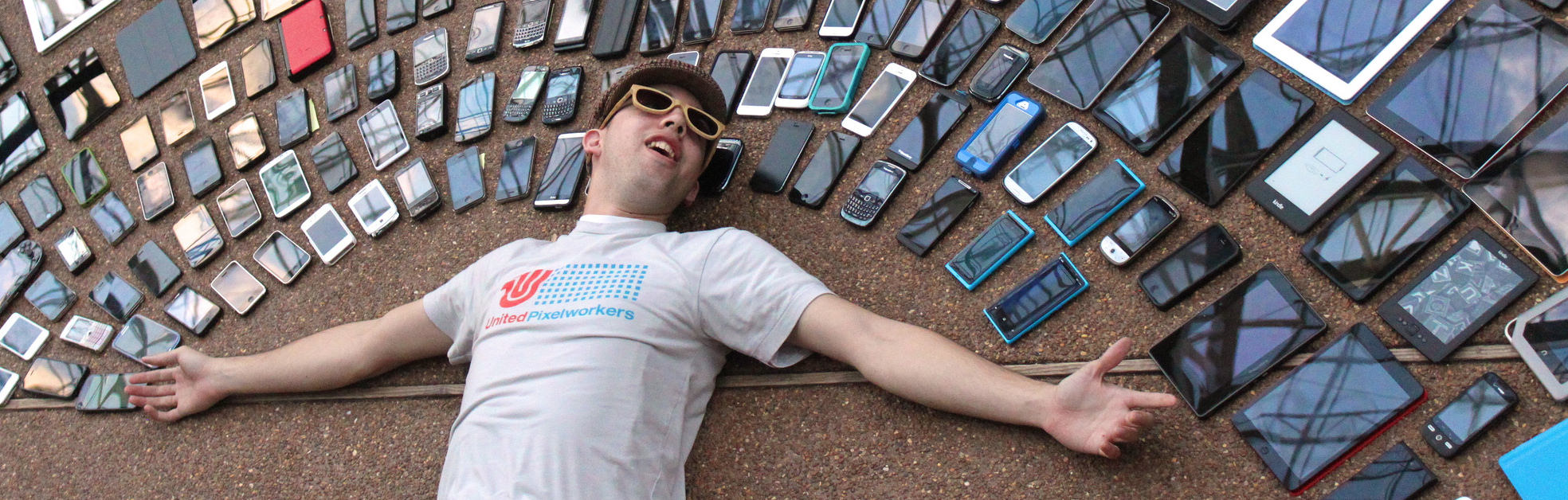
Apps interrupt your life with triggers
Our reactions to the sound of a text, a notification, or a phone vibrating in our pocket are similar to what Pavlov described with his experiment . App developers design special hooks to draw your attention back to your mobile device.
Nir Eyal writes on his blog that these notifications, emails, or links create associations between the app and your behaviors and emotions. You’ll start to feel more and more compelled to use the app whenever you feel a certain way. (For example, when you’re somewhere and you’re bored, you’ll almost instinctively pull out your phone.) Before you know it, you’ll be using the app more and maybe all day long. You’ve formed a new habit.
It's tempting to react immediately every time your phone starts buzzing, but you should learn to control your impulses. Apps don't want you to think (designers and developers are obsessed with removing "cognitive load" — which is the delay between you getting a notification and succumbing to the temptation to look at your phone).
A good way to deal with the problem is to prohibit push notifications from apps that you check occasionally.
If you want to keep Push Notifications, but have repeatedly found that they wake you up at night, place your phone in a separate room, and buy an alarm clock.
External stimuli can be relatively easy to ignore or overcome. However, it's very likely that you've built an emotional or personal relationship with your apps. For example, you might use Facebook when you're bored, Flipboard when you feel like you don't have anyone to talk to at a social event, etc.
The next time you use your phone, try to identify the specific internal urges that led you to it. It could be a feeling, discover what beliefs support your internal urges.
Apps Want You to Invest Energy in Them
When you connect with a friend on Facebook, follow someone on Twitter, or connect with someone on LinkedIn, your experience with those services will be better the next time you use them. That's exactly what apps want. They want you to invest time and energy into perfecting your experience.
For example, if you have 1,000 friends on Facebook, but only have 50 of their phone numbers or email addresses, you will continue to use Facebook to stay in touch with them. The more photos you upload to the network, the more you increase your dependence on it, because if you stop using it, you will not be able to access those precious photos.
If possible, gather the email addresses or phone numbers of your closest friends and acquaintances. Keep copies of the content you want on your hard drive. Similarly, don't upload information unless absolutely necessary, or make sure you know how to get your data back.
Apps reward you to keep you coming back
Apps use rewards with points, evoking different types and intensities of emotions. The unpredictability of these variable rewards keeps you hooked. You focus on trying to get the next reward. Apps reward you with feelings of coherence, relief, and excitement.
Apps can be a lot of fun, but don't forget their power. They can grab your attention, distract you, steal your time and energy. They will reward you every time you use them.
So as a first step, it would be a good idea to understand how they work. Use your apps, don't let apps use you.
