

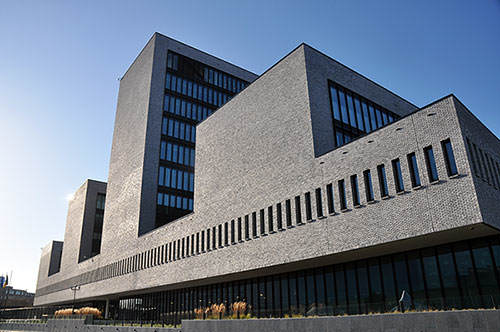
According to the head of Europol's Cybercrime Directorate, there are around 100 cybercrime masterminds worldwide. In an interview with the BBC's Tech Tent radio show, Troels Oerting, he stressed that police forces should focus on identifying this relatively small group of the best programmers.
"We don't even know who they are, but if we get them out of the way then the rest will fall too.".
Although, as he added later, the fight against cybercrime is quite difficult, with the odds stacked against the authorities.
"This number of possibilities is not constant and will unfortunately increase.".
"We can track them, but the other side has more resources and no obstacles. They are greedy, they are looking for profit and they can create viruses at such a speed that we can't track them anymore!".
He continues by saying that one of the biggest problems in dealing with cybercrime is that there are no borders. The damage can also be done from another country and thus it does not have the appropriate means to identify and catch them.
The majority of the brains have been found in Russian-speaking countries, he said, and cooperation with such countries is not easy. He was recently in Moscow for four major electronic frauds and hopes that the appropriate arrests and sentences of these criminals will follow. He even described how the Russians were creating and experimenting with types of malware and then selling them on various forums, with customers from Europe, America, and Africa.
"That's what makes our job difficult. You don't have to be an expert anymore, you can just download the virus you want," he says.
Regarding everyday users, he says that they should be particularly careful with their personal data and securing their accounts on Google, Facebook, and Apple, since they can easily be hacked if someone knows even a little about them.
Finally, he mentions the great confusion that prevails, especially after the Edward Snowden incident, regarding Internet surveillance programs. The problem is between anonymity and the protection of each user's personal data.
There is a right to discretion but not anonymity, he states and closes by saying “Imagine in the real world if the authorities couldn't open a car even if they suspected there were drugs inside…. we would never accept that, but it happens in the world of the Internet.”
