

GrapheneOS , the open-source version of Android that prioritizes security and privacy , has officially announced its plans to support Motorola devices . According to information published by The Verge, official support is expected to begin in 2027 , initially with traditional flagship models , followed by an expansion to the Razr series of foldable phones . This is a historic development that marks the first significant expansion of GrapheneOS beyond Google Pixel smartphones.
In a post on Mastodon, the GrapheneOS Foundation clarified that it will initially support a traditional Motorola flagship, with the Razr Fold and Razr Ultra. The latter will be the first flip phone to officially run GrapheneOS — a milestone for users seeking strong privacy in an unconventional form. This announcement does not concern current Motorola devices from 2026, but rather the next generation of hardware that is expected to meet the project’s strict criteria.
See also: Motorola Razr+: Users report inability to receive software updates
GrapheneOS has set extremely strict security standards for hardware. The organization said that this year's Motorola Signature and Razr are "very close to our requirements," but they lack mature support for hardware memory tagging (MTE) and secure element. The organization expects the next-generation Qualcomm Snapdragon 8 Elite to meet its standards, which is why it's targeting Motorola phones in 2027 for initial support.
GrapheneOS and Motorola: Why this collaboration is important
GrapheneOS is an Android derivative that removes Google services by default and hardens the operating system against exploits. For years, its practical support list has focused on the Google Pixel , because the project needs very specific hardware features, fast firmware support , and long update windows to maintain its security model. GrapheneOS's public support list includes 21 Google devices , from the Pixel 6 family to the Pixel 10 series , as well as the Pixel Fold , Pixel Tablet , and Pixel 9 Pro Fold .
Motorola first announced its partnership with GrapheneOS in March , stating that the two organizations would “ work together to enhance smartphone security .” Notably, unlike other partnerships, Motorola is taking on “ a large portion of the work to bring GrapheneOS to its devices .” This means the OEM is actively involved in development, which is a significant departure from the way the project has operated so far, which has been almost exclusively based on Pixels.
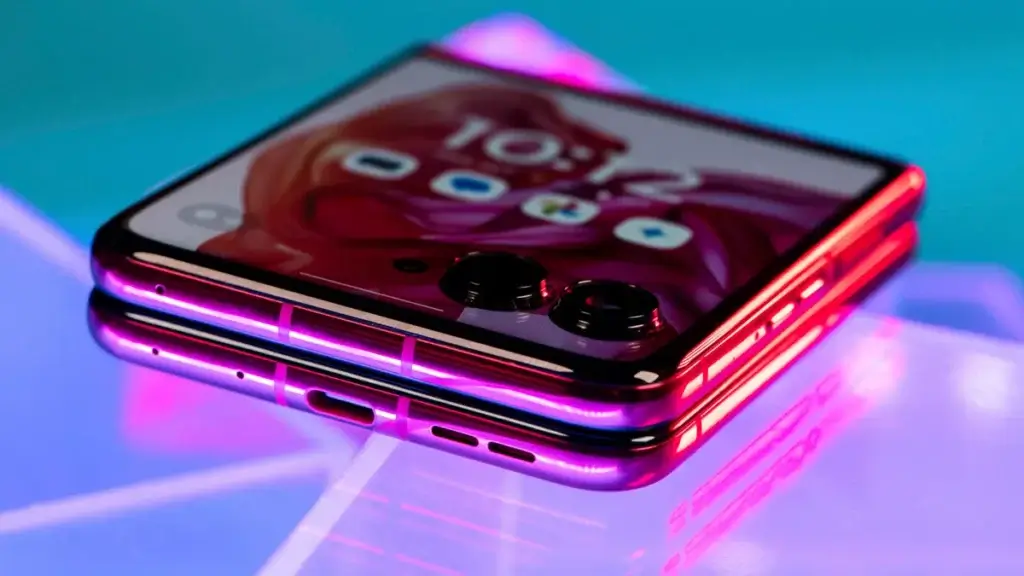
Earlier this month, GrapheneOS confirmed that Motorola's initial devices will be flagships that " will be higher-end hardware than the Pixels at a higher price point ." More affordable models are on the roadmap, but they would require better security features from Qualcomm for its cheaper chips, as well as Motorola's investment in seven years of software support for those phones . For comparison, this year's $ 499.99 Moto G Stylus promises only two major OS upgrades and three years of security updates.
See also: Motorola reveals "every detail" about the Razr Fold
As for the Google Pixel, GrapheneOS has confirmed that it has plans to add support for the Pixel 11 in the future. However, it noted that changes to the Android Open Source Project (AOSP) for the Pixel mean that they are now “more difficult to properly support than many other devices.” This observation is revealing: it suggests that Google is no longer making GrapheneOS’ job as easy as it used to be, while Motorola seems to be doing the opposite.
In the market context, Motorola is entering a segment of the Android market where premium devices increasingly compete on security, software longevity, and AI-enabled silicon, not just on technical specs. Foldables remain a smaller but strategically important category, with the Razr positioned against the Samsung Galaxy Z Flip and other premium flip-style phones. Official GrapheneOS support could be a strong differentiator for Motorola in the premium Android market.
For users, this development could make GrapheneOS available on more hardware forms, including foldables, expanding options for buyers who care about their privacy and don't necessarily want a Pixel. The community that GrapheneOS targets — journalists, security professionals, activists, power users — will gain access to new hardware options with guaranteed long-term support.
See also: Motorola Razr 2024: New Details About the Flip Phone

The biggest long-term impact is that GrapheneOS could transition from a Pixel-centric project to a broader platform strategy, as long as enough manufacturers can meet its demanding hardware and firmware standards. If Motorola delivers on its promises of updates, hardware security , and bootloader requirements, this could become the standard for future OEM support — and encourage other manufacturers to design future phones with GrapheneOS compatibility in mind.
