

In a move that highlights the convergence of consumer technology and space exploration, NASA has released three stunning photos taken with the iPhone 17 Pro Max. The images come from the Artemis II mission and mark a new era for the use of commercial devices in extreme environments.
Fully certified for use on track
The decision was not accidental. Back in February, NASA announced that the iPhone had received full certification for extended use in space conditions. This means that the device passed rigorous tests for resistance to radiation, temperature changes, and zero gravity.
See also: Engineer adds Lightning port to iPhone 17 Pro
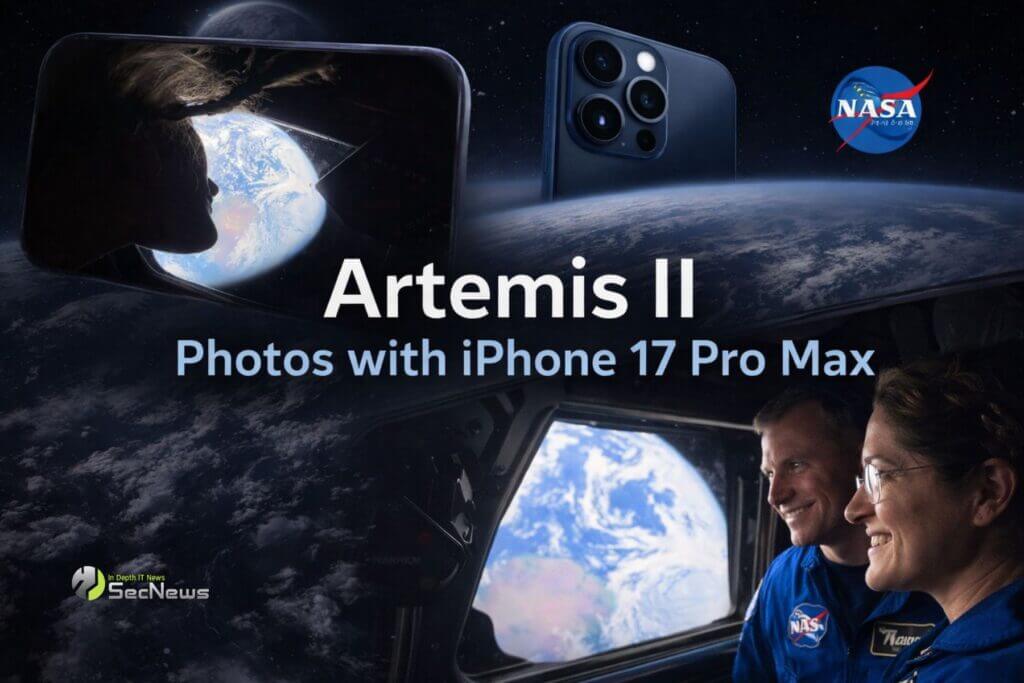
According to the information, each member of the Orion spacecraft has their own device for personal use, allowing for the recording of moments in a more "human" and spontaneous way, beyond strict scientific protocols.
The images that stand out
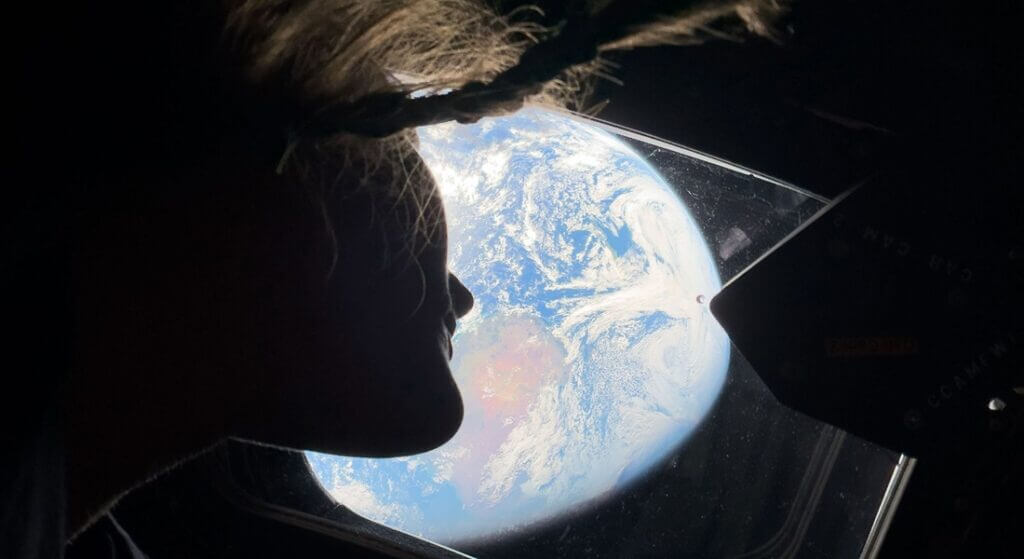
The photos released show Commander Reid Wiseman and Mission Specialist Christina Koch observing Earth through the windows of the cabin. The perspective and sense of intimacy offered by the device's front-facing camera create a different effect than the classic "cold" space shots.
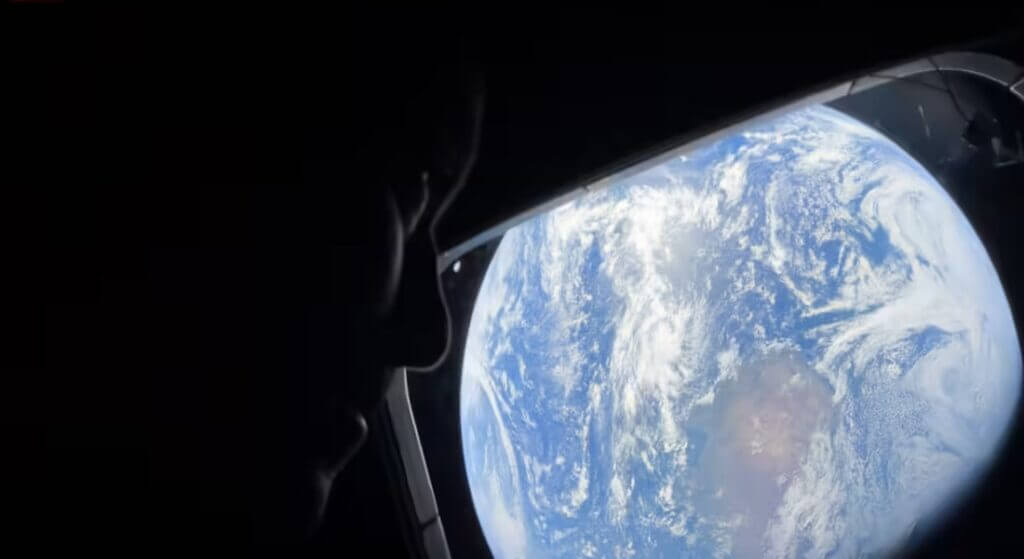
It is noteworthy that these images were taken on April 2, just the second day of the mission, which shows how quickly the device was integrated into the astronauts' daily lives.
See also: iFixit disassembles the iPhone 17e
Comparison with professional equipment
All other imagessubmitted are from specialized high-performance cameras, such as the Nikon D5, Nikon Z 9 and GoPro HERO4 Black. These devices remain irreplaceable for scientific documentation and high-precision shooting.
However, using a smartphone offers flexibility, speed and ease of use. In addition, it paves the way for more direct communication with the audience, as the content can be more accessible and “authentic”.
Artemis II: A Historic Mission
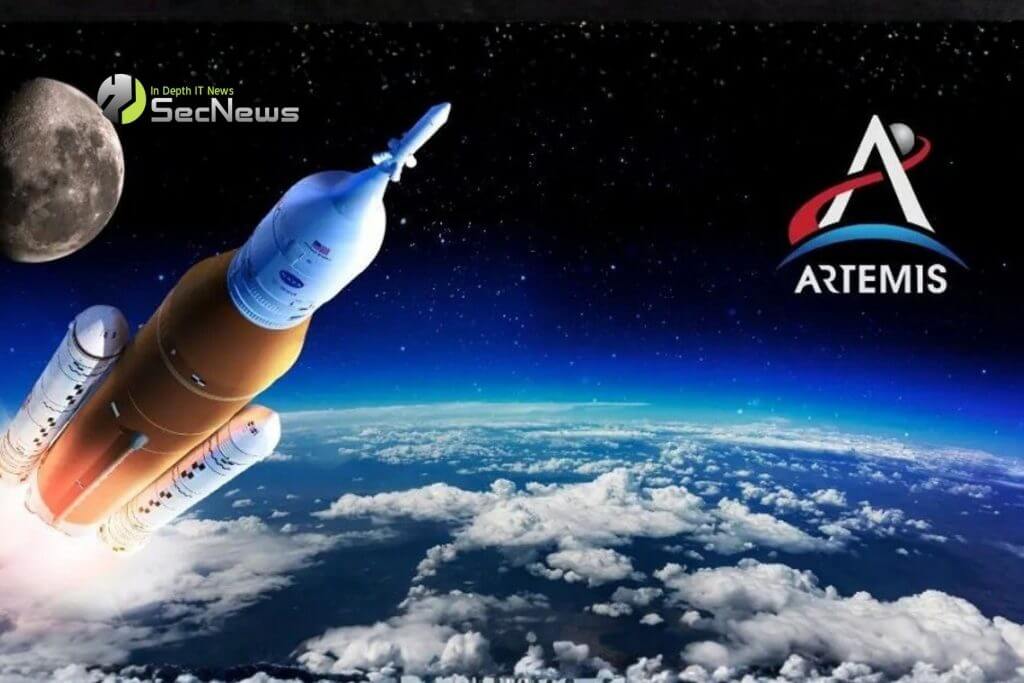
The Artemis II mission is a milestone, as it is the first manned mission to the Moon since Apollo 17 in 1972. The crew is expected to reach the far side of the Moon, breaking the record for the farthest distance traveled by humans in space.
Although Orion does not have a landing capability, the mission is of immense importance in preparing for future manned missions that will include a lunar landing.
See also: NASA: 6 records that Artemis II astronauts will break
What does this mean for the future of technology?
Using the iPhone in space is not just a communications achievement. It represents a deeper shift in the philosophy of space technology, where commercial products can be integrated into high-risk missions.
This opens up new possibilities for reducing costs, accelerating innovation, and bridging the gap between consumer and scientific technology. At the same time, it strengthens the public's connection to space, as the images produced are more like everyday experiences.
The new era of "space storytelling"
Beyond the technological dimension, the use of smartphones by astronauts brings a new form of storytelling. Images are no longer just scientific data, but also personal moments that convey emotion and human experience.
As missions become more frequent and more accessible, such initiatives are expected to play a crucial role in shaping the public image of space exploration.
The success of this approach may herald an era where the technology we have in our pockets will accompany humans even on the most distant journeys in the universe.
