

Russia 's relationship with major foreign communication platforms is entering a new phase of tension, as WhatsApp publicly denounced the restrictions imposed by Russian authorities on its service. According to the company, these moves endanger the right to private communication for more than 100 million users in the country. In fact, this comes at a particularly sensitive time, just before the holidays.
WhatsApp's intervention came after repeated warnings from the Russian communications regulator, which has made it clear that it is even considering blocking the app completely.
Roskomnadzor's stance and security allegations
Roskomnadzor , Russia's communications regulator, has openly accused WhatsApp of violating Russian law , telling state media that the app is used to organize terrorist acts , recruit criminals , and commit financial fraud and other crimes against citizens.
See also: Public protest over Roblox ban in Russia
Based on these complaints, authorities confirmed that they have begun gradually slowing down and restricting the service. Thousands of Russian users have reported access problems, delays in messages and instability in calls, according to digital service.
WhatsApp: "They are depriving millions of people of private communication"

WhatsApp responded with harsh language, accusing the Russian government of attempting to take away the right to encrypted communication end-to-end. A company spokesperson said the restriction of the app directly affects more than 100 million people who rely on WhatsApp for their daily communication.
“WhatsApp is deeply embedded in the social fabric of Russia,” he said, noting that it is used by families, parents, workers, neighborhoods and local communities across the country. At the same time, he warned that forcing users onto less secure or state-controlled apps could lead to reduced security and increased surveillance.
See also: Russia bans use of Apple's FaceTime
Restrictions on other foreign platforms as well
These developments are not an isolated incident. Since August, Russia has begun selectively restricting calls on both WhatsApp, owned by Meta Platforms, and Telegram. Authorities say the foreign platforms refuse to cooperate with law enforcement, refusing to provide data in fraud and terrorism cases.
At the same time, Moscow has already blocked or significantly restricted the operation of popular social networks such as Facebook, Instagram, Snapchat and YouTube, reinforcing a broader strategy of digital control.
The state-owned messenger MAX and surveillance concerns
At the same time, Russian authorities are heavily promoting a state-backed messaging app called MAX. The platform integrates various government services and, according to the government, aims to simplify citizens' daily lives and access to public functions.
See also: EU: Meta probe into “AI restrictions” on WhatsApp
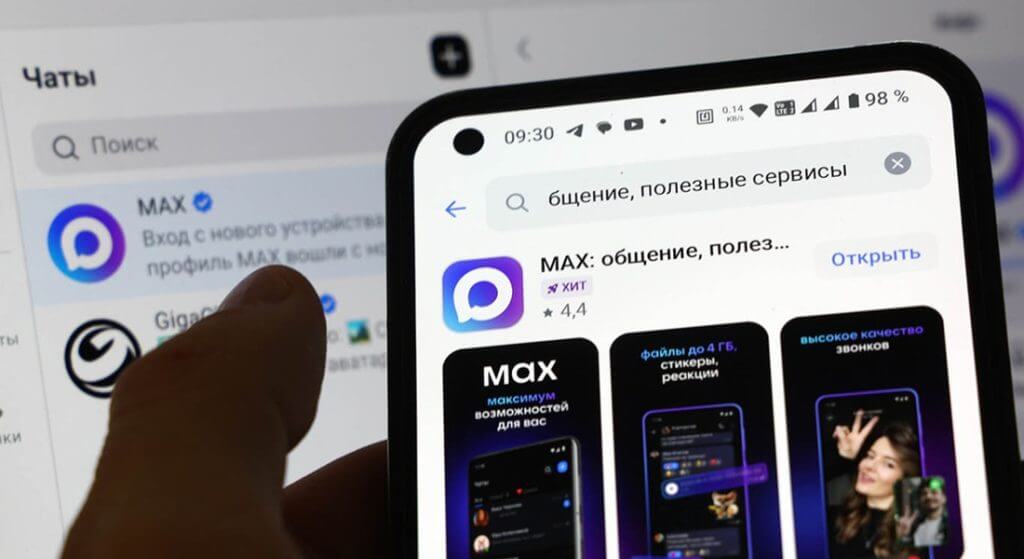
However, critics and digital rights groups fear that MAX could act as a tool for mass surveillance, allowing authorities to monitor users' conversations and activities. Russian authorities reject these accusations as unfounded.
The broader battle for digital freedom
The clash between WhatsApp and Russia is part of a global debate about the balance between state security and individual rights. As governments seek greater control over the digital space, technology platforms are facing increasing pressure to modify the security architecture of their services.
The coming period will show whether WhatsApp will manage to maintain its operation in Russia without compromising encryption or whether users will be forced to turn to alternative solutions, in a digital environment that is becoming increasingly controlled.
