

DDoS botnets are networks of "infected" or controlled devices – such as computers, routers, security cameras, and even smartphones – that have been brought under the control of an attacker through malware.
See also: New XorDDoS malware allows creation of DDoS botnets
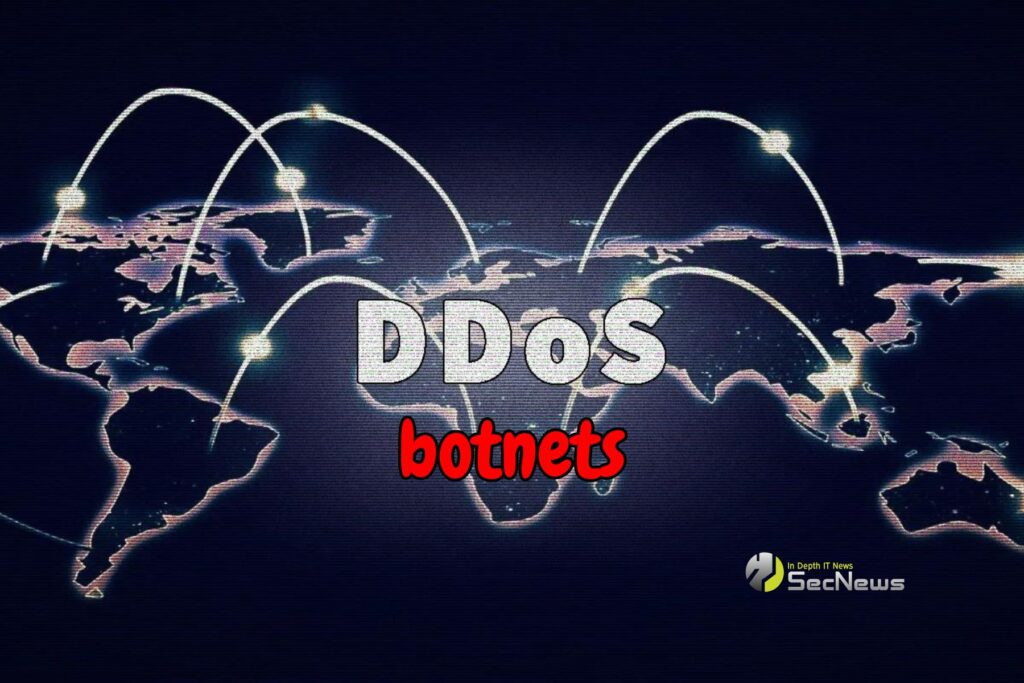
The term DDoS stands for “Distributed Denial of Service” and describes an attack in which many devices simultaneously “flood” a server, website, or online service with a huge volume of requests, with the aim of overloading it and making it unavailable to normal users.
Botnets play the role of the “army” in these attacks. Each infected device sends continuous requests to the target, and because these attacks come from many different IP addresses and locations, it is difficult to identify and block their source.
See also: Eleven11bot botnet has infected 86,000 devices for DDoS attacks
Websites, e-shops, online applications, banking systems and generally any service that relies on online availability are mainly affected. However, if someone has their own web server or even a smart home, it can be targeted or used as part of a botnet without them knowing.

To protect yourself from DDoS botnets, a combination of measures is needed. It is important to keep the software on all your devices up to date, use strong and unique passwords, and avoid suspicious emails or sites that may contain malware.
See also: Vo1d malware botnet targets more and more Android TVs
If you manage a server or website, there are DDoS protection services available, such as application-level firewalls, CDN services with anti-DDoS capabilities, and monitoring tools that detect unusual activity. The logic is to constantly strengthen your defenses so that someone cannot use you as a "pawn" in an attack, nor can they easily bring down your services.
