

The next trend in the hardware world seems to be the dual-screen laptop, which would essentially allow a device to serve different purposes depending on the position and angle of the screens.
Intel itself presented a concept at Computex earlier this month that envisions how the whole thing could work, except in the company's vision, the dual-screen PC prototype doesn't necessarily combine two similar displays.
The so-called Tiger Rapids uses a 7.9-inch LCD screen powered by Windows 10, while the other screen is a low-power e-ink panel that allows users to write and draw like on a piece of paper. The two screens are connected together with a new design that allows the Transformer to change on the go.
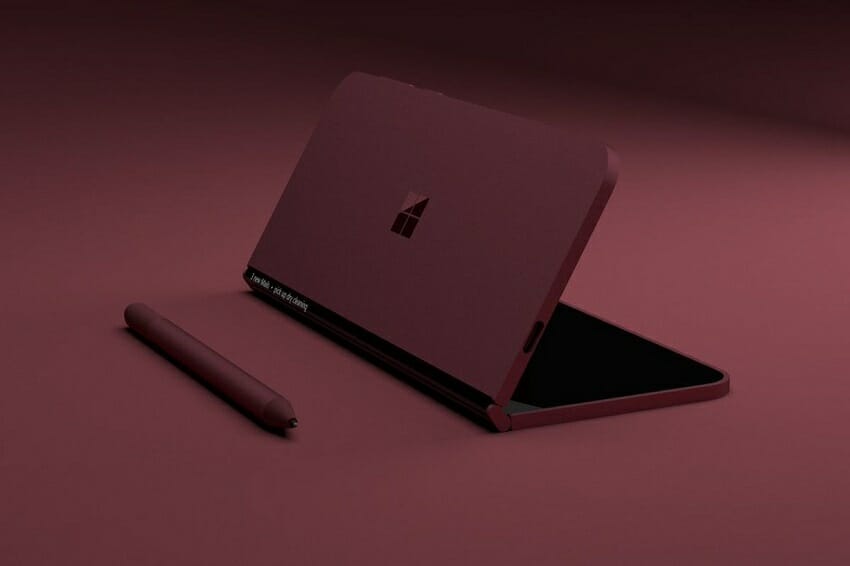
A similar idea is also believed to be in the works at Microsoft. Many are calling this project the “Surface Phone,” while others say it’s currently codenamed “Andromeda.” Regardless of the name, this product is likely to be Microsoft’s next mobile device, and while it won’t be a phone per se, it will be designed to offer maximum mobility.
There have been many rumors about this new Microsoft project, and while patents discovered in recent months have confirmed its existence, at least in the early days, very little is known about when the company could release it.
Intel , and its own concept could launch by December.
Time will tell if Microsoft is actually ready to unveil this kind of device, but in most cases the company has pursued a strategy where it pioneered a new format, only for partners to then come to market with similar products. If that's the case this time around, expect Microsoft's new dual-screen model to launch sometime in the fall.
