

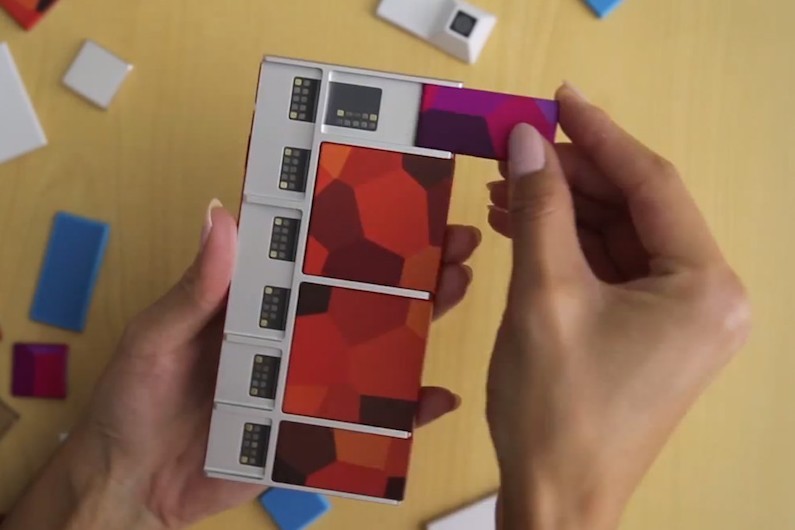
Google's Advanced Technology and Projects (ATAP) team announced at the annual Google I/O 2016 conference that it will launch its highly anticipated modular smartphone, known as Project Ara.
The smartphone will be available in beta form for developers in Q4 2016. The team is already working on a consumer version that is expected to be released next year.
“Ara has made so much progress this year that it’s actually evolved into a new business unit, led by Richard Woolridge [ATAP CEO],” Google said. “We’ve implemented a new set of technologies to create a seamless experience.”
According to lead engineer Rafa Camargo, Project Ara is a flexible phone of the future, which means it could last for several years.
"We've built into the phone technology in the frame that frees up space for modules to be created that will incorporate new features that you can't have on your smartphone today," Camargo said.
The device will have swappable components that you can swap out according to your needs. Users will be able to customize their device according to their preferences while allowing them to upgrade certain parts as they see fit. The following modules are designed to work with a variety of form factors, possibly extending beyond the smartphone.
The modules could expand beyond speakers, cameras, and even secondary displays. For example, it could help someone check their insulin levels if they have diabetes. Google is working with a variety of companies, including Sony, Samsung, Panasonic, Harman, E-Ink, Cohero Health, and others, to bring all sorts of modules and devices to market.
Google has also created its own modules, including those for high-quality speakers, high-resolution cameras, high- capacity, as well as decorative wood, concrete, and colorful modules for personalization.
Google's ATAP team promises that the consumer version of Ara will be "thin, light, and beautiful" and will be released next spring. Google is also working on providing more access to tools for developers: "We want to create a hardware ecosystem at the scale of the software application ecosystem."
