


You can't wait for them at all!
Cases of cyberattacks are constantly increasing and the number of malicious software and users has skyrocketed in recent years.
And so targeted attacks on government websites, state services, and even gaming platforms or streaming services disrupt the smooth functioning of the internet and the online lives of millions of citizens.
And while the lion's share of these digital attacks concern computers and smartphones, this is just the tip of the iceberg of targets that hackers can hit.
Anything that connects to the internet or communicates wirelessly is at risk, as we will see shortly..
Televisions
 New technology, smart TVs connect to the internet and have access to applications and services that stream audiovisual content. As the reports of electronic security companies clearly show, smart TVs are vulnerable to hackers in the same way as PCs. Malicious software can be installed on the device through applications such as Skype, Twitter and Facebook. As for the attacked TV, it can easily become part of a botnet or even use the built-in camera to spy on the interior of the house. Even sensitive information stored in cookies can be extracted, allowing the hacker to download the viewer's personal information..
Toilets

While electronic toilets proudly show the future of human need, with their diffusion in the market becoming increasingly popular, as in Japan for example, digital protection firms have already identified security problems in their operation. The company Trustwave, in this case, has proven since 2013 that the electronic communication of the toilet, through applications that communicate with the help of Bluetooth, leaves them exposed to the malicious appetites of the hacker! And thus the cyber pirate easily gains full control of the smart functions of the toilet, making pranks in personal moments an existing problem of the relevant technology…
Printers
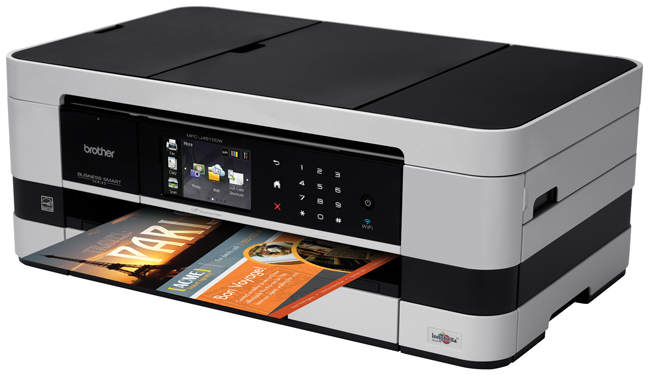 A respectable number of researchers have found a way to hack printers: through malicious software, they gain full access to the device, since the use of Wi-Fi on printers - so that we can print our files wirelessly - leaves them vulnerable to attacks. What do researchers do with the printers they have hacked? Whatever they really think, even making the printer self-destruct! There are heat sensors in printers that automatically stop their operation if the temperature exceeds certain values, and hackers, by fully controlling the printer's circuits, make the printers exceed these values, forcing them to constantly perform the same operation. At the same time, it follows that all the information displayed on the documents is available to hackers, at the same time that the malicious software installed on the printers is not at all easy to delete, since anti-virus programs are not effective in a printer environment..
Car keys
 Many new-technology cars don't even need a key to open the door or start the engine. Drivers have electronic key cards, the information of which the car reads and automates the process. And of course, hackers can easily fool the car into thinking they have the original key. The six-digit code on the key can be easily hacked, with the corresponding software making the job a breeze, while a new and very popular method uses a blank key card and a very cheap kit to intercept the signal of the original key, which is reprogrammed in the blank. It has never been easier to hack a car than it is today...
ATM
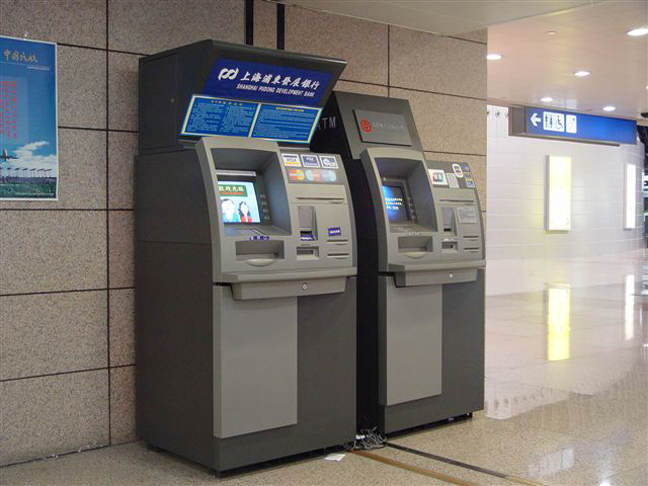 A relatively unknown fact regarding ATMs is that approximately 95% of them run on Windows XP! This leaves them vulnerable to a multitude of attacks, especially since there are specific security threats specifically for XP. If we take into account the fact that Microsoft officially stopped supporting XP in early 2014, this leaves ATMs without coverage for new viruses and malware, with banks not being willing to spend significant amounts to replace their outdated ATM operating systems. And so the “cloning” of debit cards and the extraction of bank data is easier today than ever before…
Refrigerators
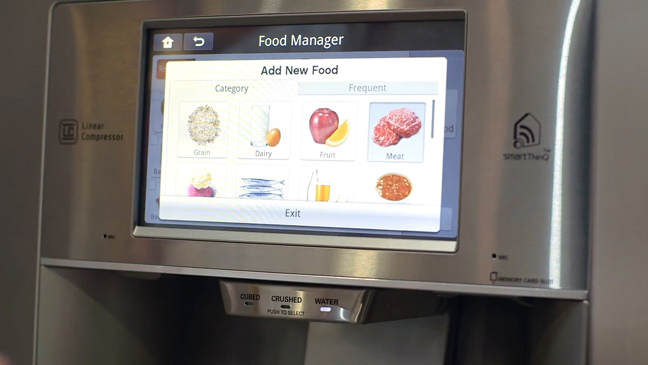 It was in 2013 when the digital security firm Proofpoint brought to light a major security flaw in electrical appliances. And of course the innocent refrigerator had its due, especially if we talk about the new and smart refrigerators that allow users to control the temperature, organize food and run useful applications. The security codes of these refrigerators are easily intercepted, since we are not talking about anything serious, and thus the refrigerators are transformed into parts of botnets, sending thousands of spam emails and of course leaving their owners clueless. The malicious code that has been introduced into the smart refrigerator leaves the rest of its functions unaffected…
Intercom devices with camera
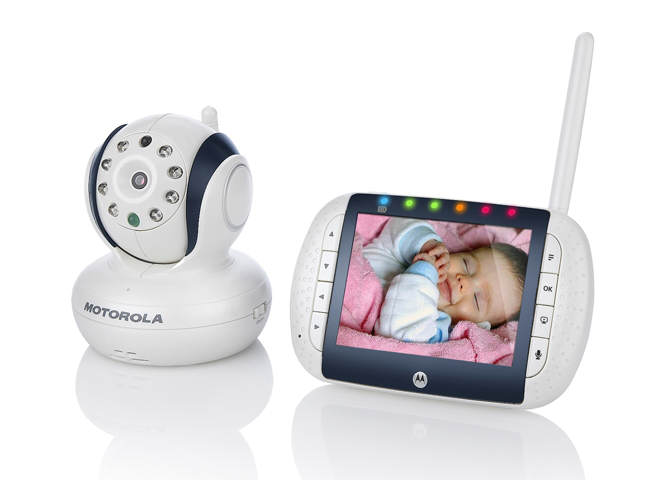 We call them Baby Monitors and they have become as sophisticated as possible these days, allowing parents to monitor their babies in a more effective way. At the same time, of course, the ever-increasing dependence on technology leaves parents vulnerable to electronic attacks. This is because the security code, if it really exists, is easy to extract, allowing the hacker to gain auditory access to the interior of the home. If we are talking about models that also have a camera, we all understand that this way the hacker can spy on the rooms. Many such infamous incidents have come to light, serving as a reminder for parents that such devices can become dangerous if left to their own devices…
Car brakes
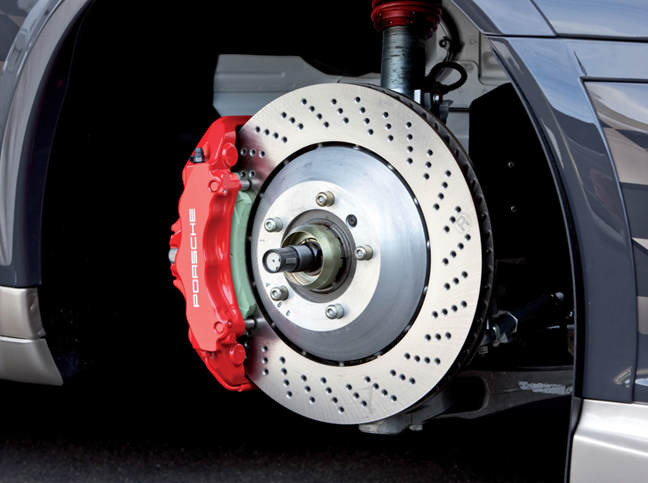 While the automotive industry is now moving towards replacing mechanical systems with electronics for basic functions, this leaves vehicles hanging. One such function is the way modern cars stop, with many manufacturers replacing traditional brakes with electronically operated braking systems. Researchers at the University of California and their colleagues at the University of Washington have managed to exploit flaws in car computers and take full control of a vehicle's braking system, braking the car at will! And as if that weren't enough, hackers recently showed Forbes magazine how unscrupulous people can completely cut off our car's brakes, leaving us with no way to stop it..
Traffic lights
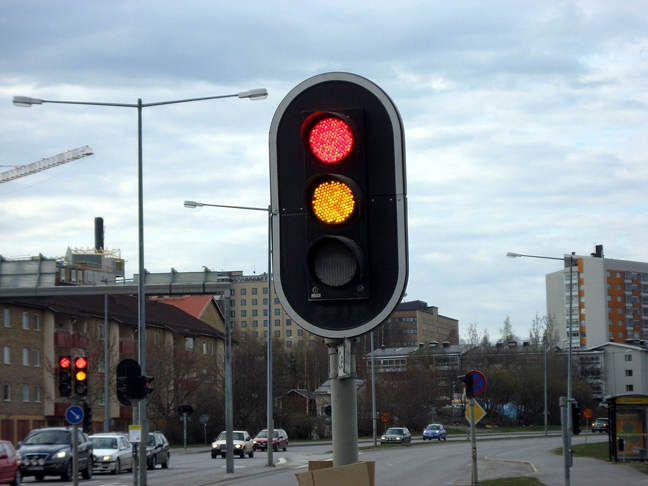
Medical implants
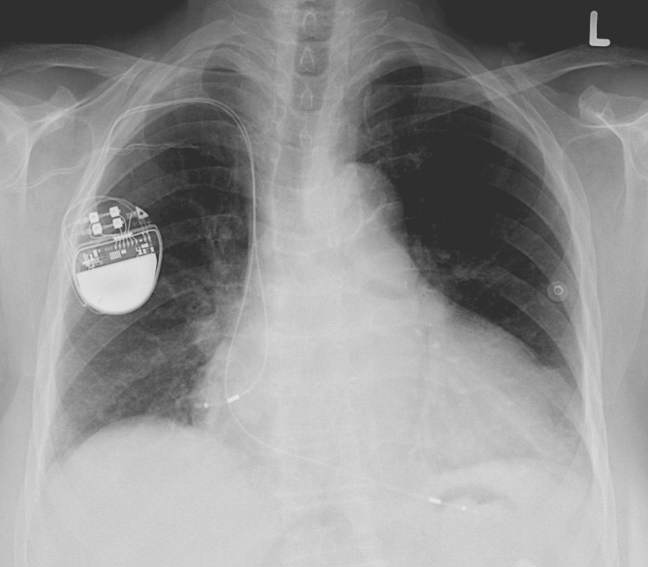 Millions of people around the world rely on medical implants to keep them alive or in good health. And with technological innovations, these implants are becoming increasingly advanced. Which naturally leaves them vulnerable to malicious intent. Pacemakers, for example, now have special controls to modify their settings without the need for medical intervention. And of course, as we all now understand, these implants do not even have protection systems, leaving them vulnerable to a series of attacks and threats. It is again the radio waves and other ways of wireless communication with remote controls that leave them open to hackers' appetites, as numerous university studies have shown. Scientists, for example, managed to completely shut down pacemakers and make insulin delivery devices go "crazy," just to show how important it is to better protect wireless medical implants. A real matter of life and death..
Source: newsbeast.gr
