

AI is often presented as the ultimate weapon in cybersecurity. Anomaly-detecting algorithms, attack-predicting systems, and automated defenses have made AI an ally for organizations against digital threats. However, as AI is integrated into critical systems, it also becomes an attractive target for attackers. Cybersecurity is no longer just about protecting infrastructure from hackers, but also about protecting the algorithms themselves from manipulation.
See also: BlackForce: New phishing kit steals credentials through MitB attacks

One of the lesser-known but particularly dangerous scenarios is data poisoning. In this case, the attacker does not try to directly compromise a system, but rather to corrupt the data on which a machine learning model is trained. If this data contains intentionally incorrect or biased information, the model will learn to make wrong decisions, often without any obvious indication of an attack. In environments such as fraud detection, medical diagnosis, or autonomous systems, the consequences can be devastating.
See also: CyberVolk's new VolkLocker ransomware targets Linux and Windows

Prompt injection and model manipulation attacks are equally worrisome , especially in large language models. If a user or attacker manages to “guide” the model in such a way that it bypasses security constraints, they can extract sensitive information, induce incorrect responses, or use the system for malicious purposes. The problem here is not only technical, but also philosophical: how do you define security when the system does not follow strict rules, but probabilities?
Another critical issue is the opacity of algorithms. Many models act as “black boxes,” making it difficult to detect an attack or suspicious behavior. When a system starts making bad decisions, it’s not always clear whether it’s a bug, a bias, or malicious interference. This fundamentally changes the way cybersecurity professionals need to think about defense.
See also: Hackers impersonated law enforcement to steal Apple account data
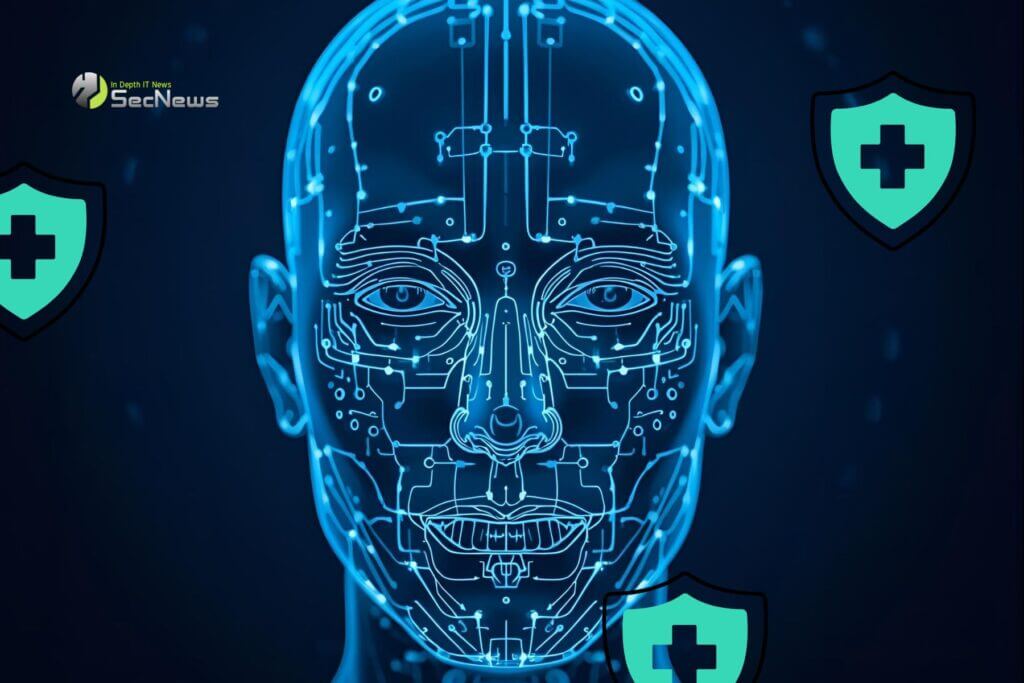
Protecting AI requires new strategies, such as secure data pipelines, continuous monitoring of model behavior, and interdisciplinary collaboration between AI, security, and ethics experts. The reality is that the smarter our systems become, the more insidious and sophisticated the attacks become. Cybersecurity in the AI era is not just a technical issue, but a new form of digital defense against invisible adversaries.
🔒 Protect your privacy with Proton VPN
Swiss VPN from the creators of Proton Mail — strict no-logs policy, strong encryption, and built-in NetShield that blocks ads, trackers, & malware.
- ✔ No-logs, based in Switzerland (except 14-Eyes)
- ✔ NetShield: blocks ads, trackers & malicious domains
- ✔ Covers all devices — free version available
The link is an affiliate link — SecNews may receive a commission at no additional cost to you. It does not affect the independence of our article writing.
