

Google Earth users can now see the spectacular but mostly worrying effects of climate change over the past four decades or so. The latest addition to Google Earth is a feature called Timelapse , which shows how the Earth has changed in recent years due to climate change and human activity .

The tool takes the platform's static images and turns them into an awesome 4D experience, allowing users to click through timelapses that show melting ice caps, retreating glaciers, massive urban development, the impact of wildfires on agriculture, and more.
See also: Google Earth: Now available in Firefox, Edge and Opera browsers
Timelapse uses 24 million satellitetaken from 1984 to 2020.The process of gathering the images and using them for this tool took two million hours of processing on thousands of machines. For this project, Google collaborated with NASA, the United States Geological Survey, the European Union's Copernicus and Sentinel satellites, and Carnegie Mellon University's CREATE Lab.
To explore Timelapse on Google Earth, users can type any location into the search bar. Google said it removed elements like clouds and shadows from the images and calculated one pixel for every location on Earth, for every year since 1984. The pixels were then stitched together to create a timelapse video.
See also: Google makes it easier to return to the search box
By typing in the location they want, users can see all the changes that have occurred in that place from 1984 to 2020.
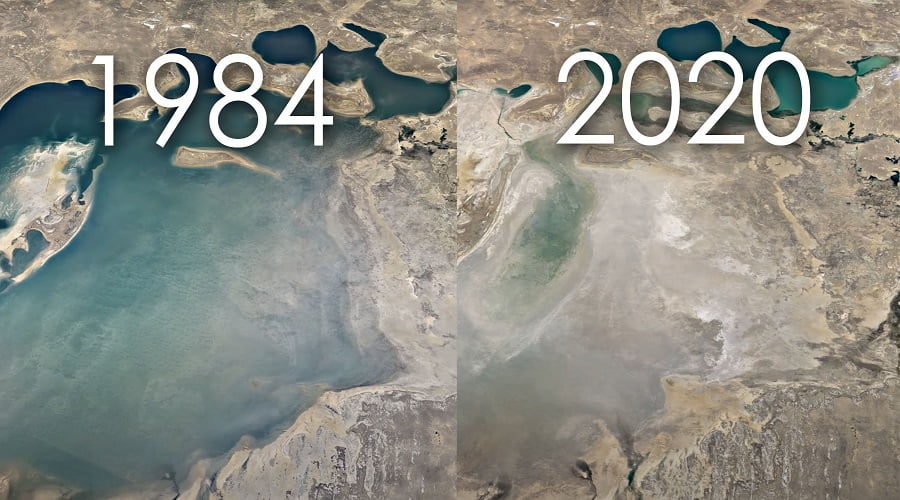
The company believes that visual material can bring the issue of climate change to the center of discussions, as it is important to have a picture of the situation.
See also: Bill Gates: The next threats are climate change and bioterrorism
Google is also offering various tours through Voyager, a storytelling platform, which will explain some of the biggest changes seen in the images.
The company hopes that governments, researchers, journalists, teachers and others will analyze the images and share their findings.
“We invite anyone to get their hands on Timelapse and share it with others,” a company spokesperson said. “Timelapse on Google Earth aims to assess the health and well-being of our unique home and is a tool that can educate and drive action.”
Source: CNN International
