

Face recognition can be used to identify various animals such as bears and cows!
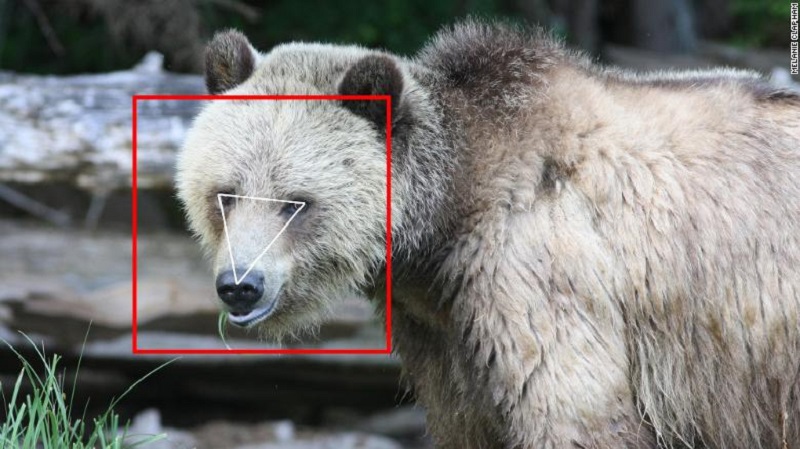
It's hard for the average person to tell the difference between Dani, Lenore and Bella. But Melanie Clapham is not your average person. As a bear biologist, she's spent more than a decade studying these bears, who live in Knight Inlet, Canada, and has developed a sense of who's who, paying attention to all the details.
But Clapham knows that most people naturally don't have her capabilities, especially since bears' appearance changes dramatically over the course of a year – such as during hibernation, which makes it even harder to tell them apart.
Tracking individual bears is important, she explained, because it can help with research and conservation of the species. A few years ago, Clapham began wondering whether facial recognition technology, which is commonly used to identify people, could help with all of this. Clapham teamed up with two tech workers and together they created BearID, which uses facial recognition software to track/identify bears.
While facial recognition technology is best known as a tool for identifying people — a controversial technology due to known issues around privacy, accuracy and bias — BearID is one of many attempts to adapt it to animals. Supporters of the technology, like Clapham, say it’s a cheaper, longer-lasting, less invasive way to track animals.
Clapham also collaborated with Ed Miller and Mary Nguyen, who are interested in machine learning and are monitoring bears via live webcam at the popular bear haunt, Brooks Falls in Katmai National Park, Alaska.
The three people have collected thousands of photos of bears to create datasets, adapting existing artificial intelligence software called Dog Hipsterizer. The goal is for the software to identify the faces of bears in the images. Once the faces are identified, they can use the AI to identify specific bears.
So far, BearID has used 4,674 images of bears. 80% of the images were used to train the facial recognition system, Clapham said, and the remaining 20% were used to test it. According to a recently published study by her and her colleagues, the system is 84% accurate.
While BearID identifies bears, Joe Hoagland is trying to do the same for cattle. Hoagland, a cattle rancher in Leavenworth, Kansas, is building an app called CattleTracs, which he said will allow anyone to take photos of their cattle that will be stored along with their GPS coordinates and the date the photo was taken in an online database. Subsequent photos of the same animal can be “joined” with previous photos, helping them track the cows over time.
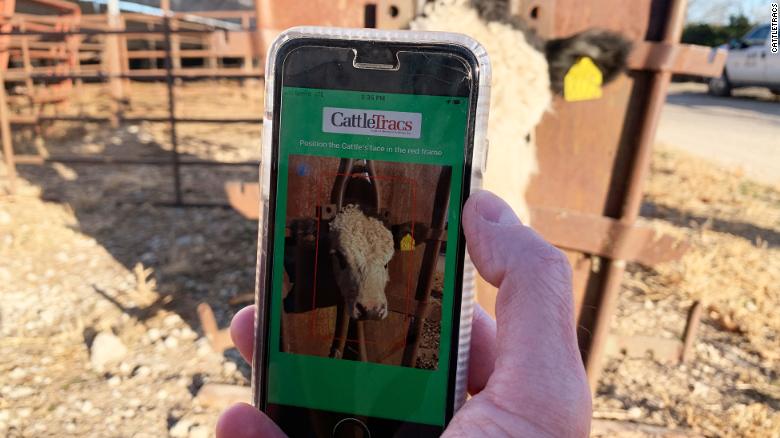
Cows, he explained, change environments very often during their lives – from producers to meatpacking plants. Their lives are not monitored, which makes it difficult to investigate problems such as various diseases that can destroy the animals or harm people .Hoagland expects the application to be available by the end of the year.
"Identifying this sick animal, quarantining it and finding out who it came into contact with is very important as we have all realized with the example of the COVID-19," he said.
