

Apple is being ordered to pay a fine of up to half a billion dollars for intentionally slowing down older iPhone models in an attempt to force users to buy newer models. Specifically, the proposed settlement requires Apple (AAPL) to pay owners of certain iPhone models $25 for each device that was adversely affected by the practice. According to documents filed in U.S. District Court in San Jose, California, Apple is expected to pay between $310 million and $500 million. The amount that each user can receive in compensation for device may increase or decrease. This depends on how many cases are filed and on any additional legal fees and fines that are approved by the court.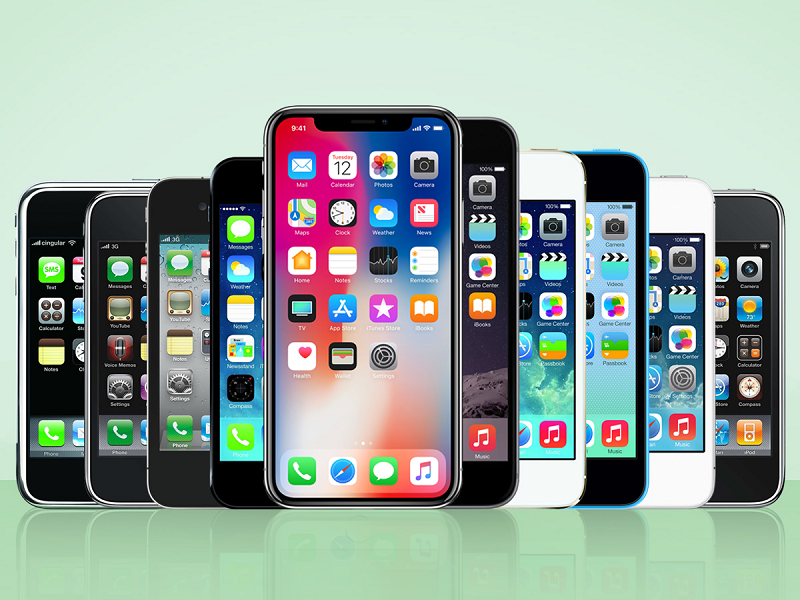
The settlement, which is expected to be approved by a judge on April 3, is the result of a legal battle that has been ongoing for more than two years. During that legal battle, Apple has tried to mitigate the impact that the incident would have on the world. The company admitted in December 2017 that it used software to slow down older iPhones. The company made the statement immediately after its customers and technology analysts pointed out that the updates caused reduced performance on older iPhones. Some of them said that it is very likely that Apple did this to force users to buy a newer iPhone model. The company, for its part, said that its goal was to address problems that occurred in older lithium-ion batteries that would result in the devices suddenly “turning off”.
Apple later apologized for the policy and offered customers battery replacements that cost $79, but the cost was reduced to $29 in January 2018. Apple CEO Tim Cook admitted a year later that the company's 2018 revenue had fallen in part because the cost of replacing iPhone batteries had dropped significantly. It is also noted that iPhone users in the US can file claims for settlements if they owned an iPhone 6, 6 Plus , 6S, 6S Plus, 7, 7 Plus or SE purchased before December 21, 2017. Apple has not yet commented on the case.
