

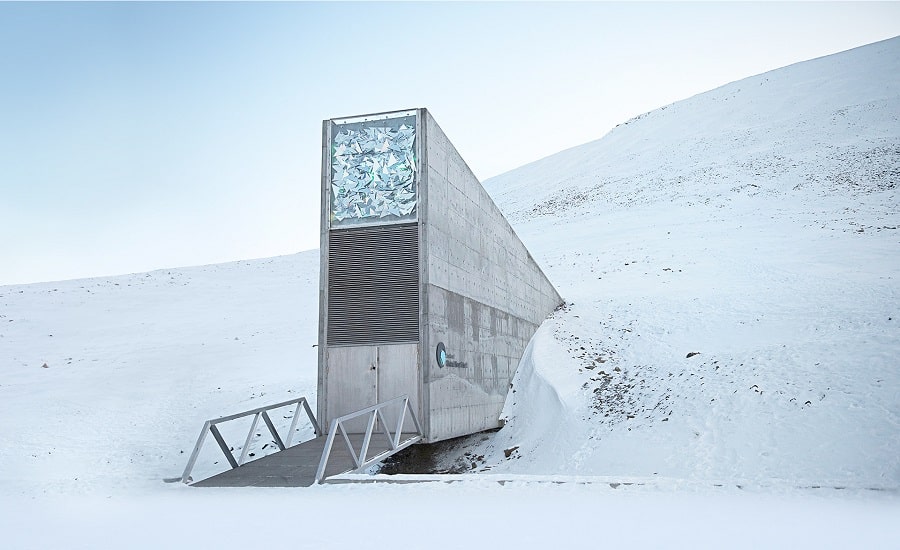
We know that in remote Svalbard, Norway, there is a grain warehouse known as the Global Seed Vault, with the aim of preserving the planet's biodiversity. What we didn't know is that a little further away, there is an abandoned coal mine, protecting a different kind of resource from the end of the world: all the open source code on GitHub.
So if the world ends, those who manage to survive will be able to access and use the software behind technology , perhaps in that strange post-apocalyptic operating system that some developers unveiled last month.
Since 2017, the Arctic World Archive, as it's called, has also stored other digital files, such as the Vatican archives, various films and anything else deemed worth saving, according to new data revealed by Bloomberg.
Now in addition to the above, this repository also contains a copy of almost software , hosted on GitHub.
According to Bloomberg, the open source community is often dismissed as a group of marginalized technological idealists, but much of the digital architecture we interact with every day technically falls within the broad spectrum of publicly available open source, such as platforms like Facebook, Google , and Amazon.
So, while storing GitHub data seems like a non-essential, it could someday prove useful if an impending disaster means the end of the world's hard drives
