

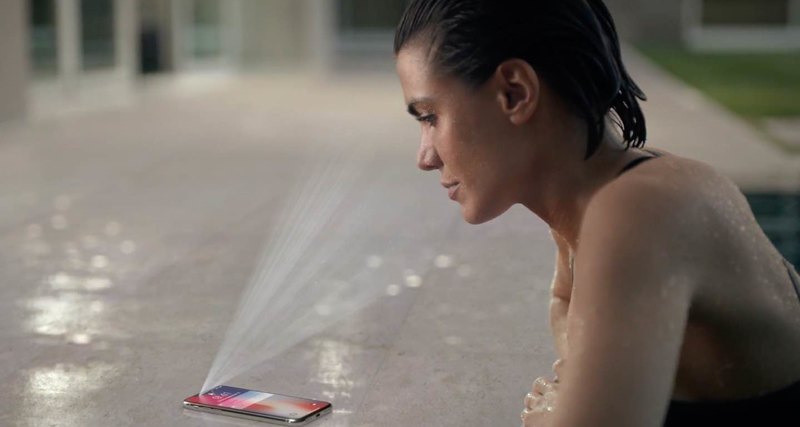
 Apple's facial recognition system, called Face ID and available exclusively on the iPhone X, has drawn mixed reactions in the industry, with some people praising its security capabilities and others claiming it's a step backward compared to fingerprint scanning.
However, despite the criticism, Android phone makers appear to be ready to follow in Apple's footsteps and adopt facial recognition systems for next year's models, with several leading companies considering their options and discussing potential partnerships with suppliers.
DigiTimes writes that Huawei, Oppo and Xiaomi are currently in talks with several companies that could manufacture 3D sensors for their future products, including Largan Precision (which makes the sensors for the iPhone), Sunny Optical, Orbbec and Himax.
The report claims that Largan is able to take the largest number of orders not only because it has the expertise, technology, and capacity to manufacture 3D sensors that power facial recognition, but also because it works with Apple. This is considered a significant advantage over competing companies, as Apple usually only signs with top suppliers.
3D sensing components developed by Qualcomm, Himax, and True Opto-electronics have already been considered by Oppo and Xiaomi, and both companies are expected to explore ways to install these components in their devices in 2018.
Analysts believe that the next-generation iPhone models will not bring a significant upgrade to the existing Face ID version, although the company is expected to expand the facial recognition system to all iPhone models. This means that 2018 iPhones could also feature Face ID regardless of screen size and technology.
Additionally, Apple is also planning to bring Face ID to other devices in its lineup, including the iPad, which could include an edge-to-edge display as well for the 2018 model.
Samsung itself has been rumored to be looking into 3D sensing technology for its flagship models, and the first smartphone that could feature such a system is the Galaxy S9, which launches in the spring.
