

In an effort to curb piracy of copyrighted content, entertainment company NBC Universal has filed a patent for a new technique that can detect files shared via peer-to-peer in real time.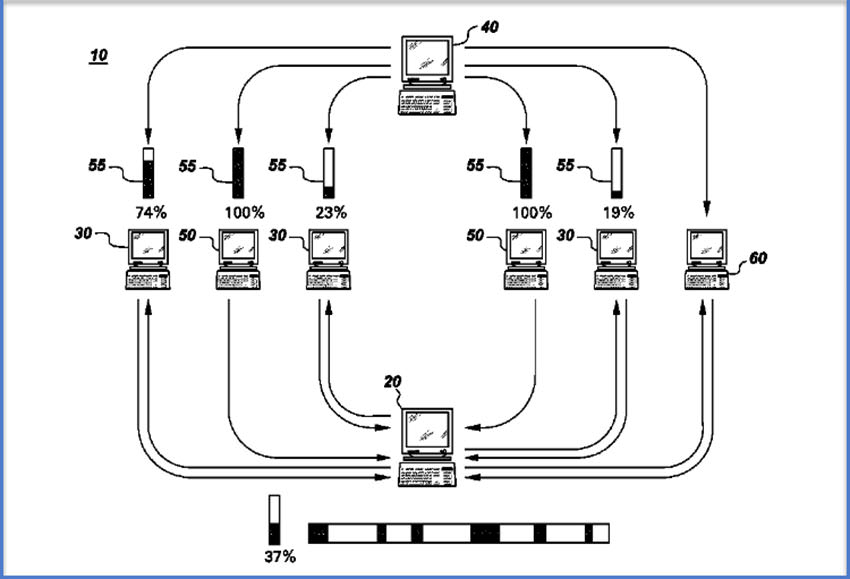
The idea is that the system, which could be deployed by an internet service provider, would be able to identify files such as a movie or music album being distributed over a network (such as BitTorrent). When there are enough users gathered together engaged in sharing a file verification, this could set off some kind of alarm, prompting appropriate action, such as a warning from the ISP or filing a lawsuit.
It is worth noting that the patent was filed in 2009, and the methods described may not be suitable for successfully verifying files if the digital fingerprints have been obliterated by experienced pirates.
Furthermore, it includes a false indication to ISPs on how to use data collected about file-sharing service peers to limit or block this type of traffic, at low operating costs.
It's unclear whether NBC Universal plans to implement its idea, or if it's worth pursuing. TorrentFreak reports that parent company Comcast faced significant backlash when it tried to shut down BitTorrent in 2007.
What NBC Universal's patent fails to address, of course, are the reasons why people share files illegally.
The availability and affordability of digital content is certainly on the rise, but if piracy continues to exist it shows that something is wrong with the current content distribution model. And that's what companies need to think about and try to fix.
