

Google's new Physical Web feature allows phones to connect to devices around them, such as bus stops or parking meters, and receive information directly without using another app.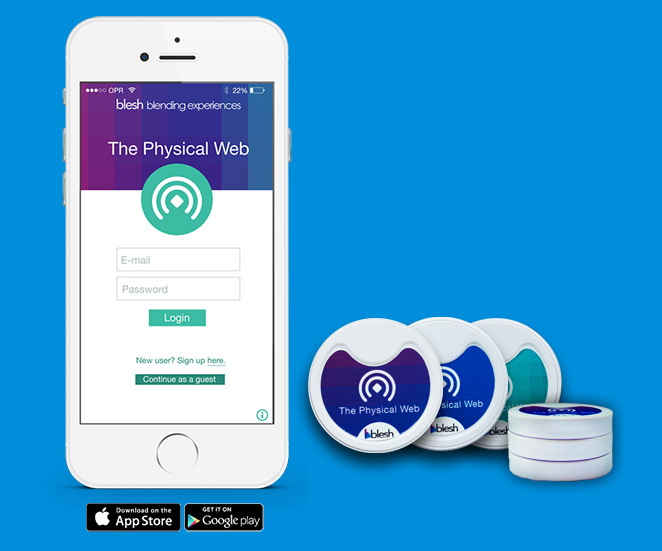
The feature has been in testing on iOS devices since last summer, and now Google has released the new feature for Android users as well.
It was first released in Chrome 49, which is still in beta, but Google says it will be available to the general public soon.
How does it work?
When you approach a landmark (or beacon as the company likes to call it) for the first time, you'll get a notification with the option to enable the "Physical Web," as Google calls it. If you choose to enable the feature, you'll automatically start receiving information from points of interest you encounter in the future.
These points can be anything, it's a similar idea to the use of QR codes in tourist areas that give people directions and historical facts. But the new feature removes the need for searching or scanning.
They are not just for outdoor use, which makes them very useful for events such as conferences or simply in large buildings such as shopping malls and universities.
Google said it had more than 1,500 points of interest or beacons at CES this year helping people navigate the show.
See how it works on Android
https://blog.chromium.org/2016/02/the-physical-web-expands-to-chrome-for_10.html
