

The Legion Go is at the center of a serious dispute between users and Lenovo, after a BIOS update turned several devices into unusable “bricks.” The company has officially acknowledged the problem, removed the update from its website, and is asking affected users to contact support — but the question of who will pay for the repairs remains unanswered.
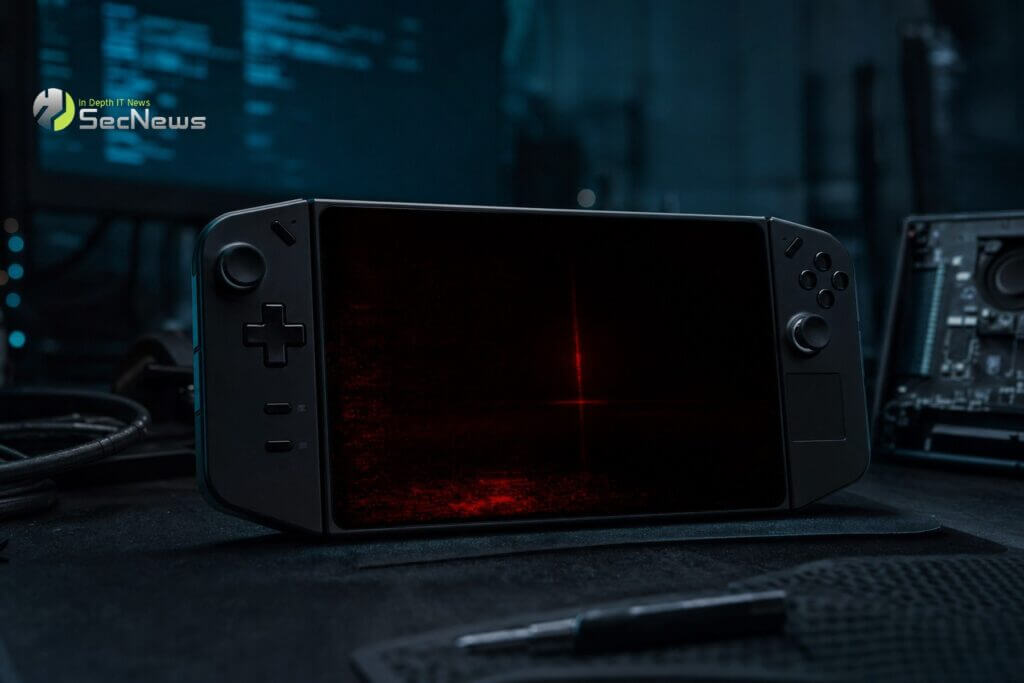
The issue began on June 17, 2026, when Lenovo released BIOS V42 (codenamed N3CN42WW) for the Legion Go 8APU1, the company's first-generation gaming laptop. According to user reports on Reddit and various tech forums, installing the update left many devices with a black screen or unable to boot. The problem was particularly concerning because the update wasn't automatically distributed via Windows Update or Legion Space — users had to manually download it from Lenovo's support website.
Three weeks after the first reports, Lenovo has broken its silence. In a statement to The Verge, the company admitted that “devices Legion Go may experience a blank screen when installing BIOS V42” and announced that the update has been removed from its website while it continues to be validated. The solution it suggests? Hold down the power button for about 10 seconds, wait a minute, and try turning the device back on. If that doesn’t work, contact support.
See also: Lenovo Website Update Seems to Confirm New Legion GO Models
Legion Go BIOS V42: What exactly went wrong
BIOS V42 (N3CN42WW) was designed to fix an issue with the Legion Go's power button and Modern Standby feature . Instead of resolving the issue, the update created a much more serious one: several devices were unable to boot after installation. Lenovo responded by removing V42 and reinstating the previous version as an available option on its website. However, for users who had already installed the problematic update, the damage was already done.
The affected devices are exclusively the Legion Go 8APU1. The newer Legion Go S and Legion Go 2 are not affected. This means that only first-generation users who manually downloaded the V42 BIOS are experiencing the issue — but those are usually the most enthusiastic users who update their devices as soon as new firmware is released.
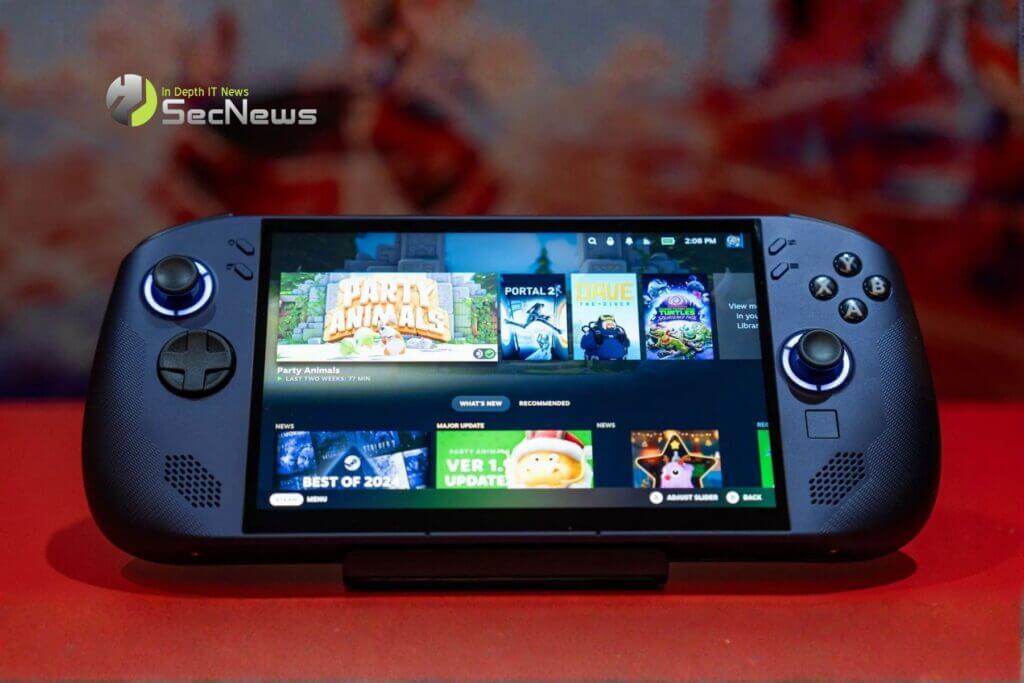
In some cases, users reported trying various recovery methods to no avail, with some even considering reprogramming the BIOS directly — a process that requires specialized knowledge and equipment, and is clearly not feasible for the average consumer.
Legion Go and the repair issue: Who pays?
The most heated issue that has arisen around the Legion Go is not technical but financial: who will cover the repair costs for devices that are “broken” due to official Lenovo firmware? A user on Reddit posted a repair bill of almost $300, an amount that many consider outrageous for a problem that was not caused by user error but by the manufacturer’s firmware.
See also: Legion Go Fold: Lenovo's new foldable gaming handheld - laptop
On Lenovo’s official forums, a user named “Daniel_Legion” — who appears to be a company employee — said that the issue “should be fixed for free” for devices under warranty, while for devices out of warranty he added: “should be fixed for free, but check local laws.” This wording doesn’t inspire much confidence — it essentially means “we will only do it if the law forces us to.”
The comparison to Framework, a company that has built its reputation on repairability and friendly customer service, is inevitable. Framework has shown that a manufacturer can take responsibility for problems caused by its own software. The contrast with how Lenovo initially handled the issue — with a three-week delay before any official announcement — has fueled criticism from the user community.
What does this mean for the future of the Legion Go and the handheld PC market?
The Legion Go incident highlights a broader problem in the portable gaming PC market. Since Valve ’s Steam Deck popularized the category, companies like Lenovo , ASUS (with the ROG Ally and ROG Ally X ), and MSI (with the Claw ) have all entered the space in droves. However, these devices are highly integrated systems with limited user-repairability — making them particularly vulnerable to firmware issues.
See also: Lenovo Legion Go Fold: The future of foldable gaming handhelds

Handheld gaming PC buyers tend to be enthusiastic users who update their devices promptly and publicly discuss issues — which increases the reputational risk for manufacturers. Lenovo has said it will continue to validate future BIOS updates for the Legion Go, suggesting stricter internal review processes. If the company extends the free repair to out-of-warranty devices, it will set a positive precedent for the entire market. If not, the backlash from users could affect long-term trust in Legion products.
For Legion Go 8APU1 owners who have not yet installed BIOS V42 , the advice is simple: don't. The update has been removed from Lenovo's website and there is no need to look for older versions. For those already affected, the first step is to try a long-press power button restart and then contact Lenovo support.
