

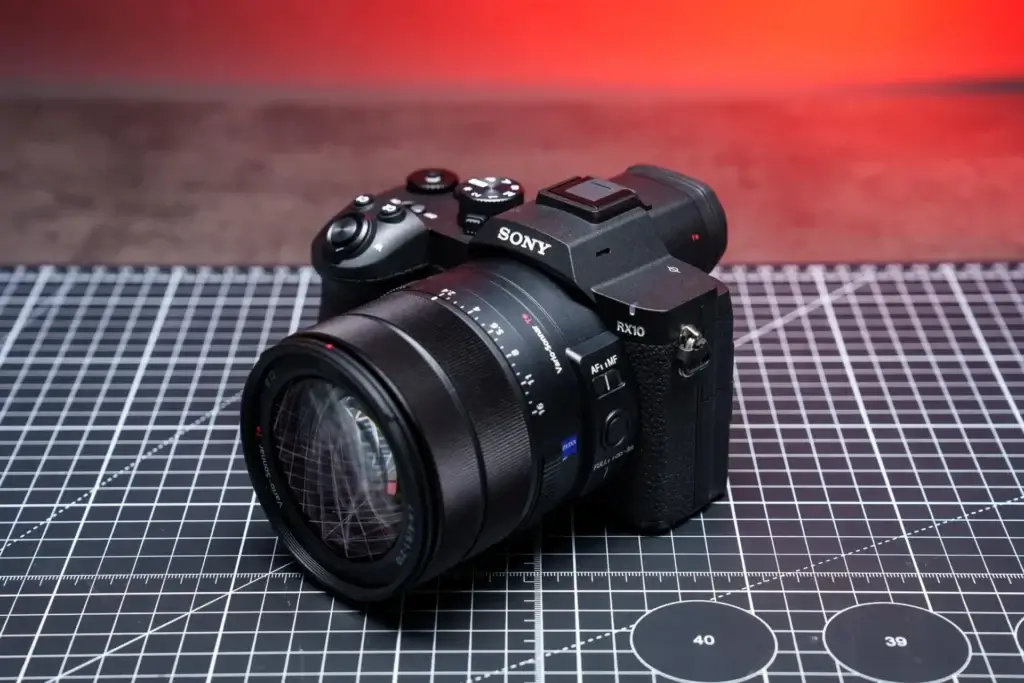
Sony is bringing back its RX10 after nearly nine years since the previous model was released. The newly announced RX10 V retains the same 25x Zeiss Vario-Sonnar zoom lens with a focal length equivalent to 24-600mm f/2.4-4 as its last two predecessors, but has many upgrades elsewhere. The new 1-inch-type sensor with 20.1-megapixel resolution is designed with a stacked architecture, allowing continuous burst shooting of up to 30 frames per second without interruption (up from 24 frames in the previous generation).
See also: Google, Meta, Spotify and Sony react to Belgium's creator payment law in EU court
This is a significant improvement for a camera aimed at action, sports, and wildlife photography, but it will come at a price, starting at $2,299.99 when it launches in early August.

The RX10 IV launched in 2017 at a price of $1,700. The new model's pricing isn't entirely unrealistic when you factor in inflation. But what you get with the RX10 V isn't just a sensor upgrade — the body has been revised to look and feel like Sony's larger Alpha mirrorless cameras. It uses the same NP-FZ100 battery found in most current A-series models, offering over 50% more battery capacity.
The new RX10 V also inherits many notable features and functions from its larger Alpha cameras, including an OLED electronic viewfinder, full-width 4K 60p video recording (4K 120p when cropped) with S-Log3 and S-Cinetone color options, and Sony’s industry-leading Real-time AF Tracking system. Like Sony’s larger Alphas, the RX10 V features 575 AF points and can detect subjects as well as the human form — for better tracking and focusing on faces and eyes during fast-moving action.
See also: PlayStation Plus: Sony reveals July's new games
It even features the Speed Boost that debuted in the A9 III professional camera, allowing you to shoot at higher burst rates for short periods when you need it.
Since the RX10 IV was released long before using a large camera as a webcam became a trend, the RX10 V now supports livestreaming at up to 4K 30p via a USB-C connection (with simultaneous recording) — which is ideal since the video output port remains a delicate Micro HDMI. While most of the RX10 V's new features are upgrades over the previous generation, the new model has unfortunately lost a few features: The lens no longer has a built-in ND filter, and there's no pop-up flash.
It really does feel like a Sony Alpha with a big built-in telephoto zoom lens — albeit much smaller and lighter than fitting a huge lens to a full-frame mirrorless Alpha. Sony’s excellent autofocus and uninterrupted burst shooting at 30 frames per second make it easy enough to photograph birds or macro shots of bees moving from flower to flower. There’s a lot that this lens and fast sensor can do.
See also: Sony stops production of physical PlayStation game discs
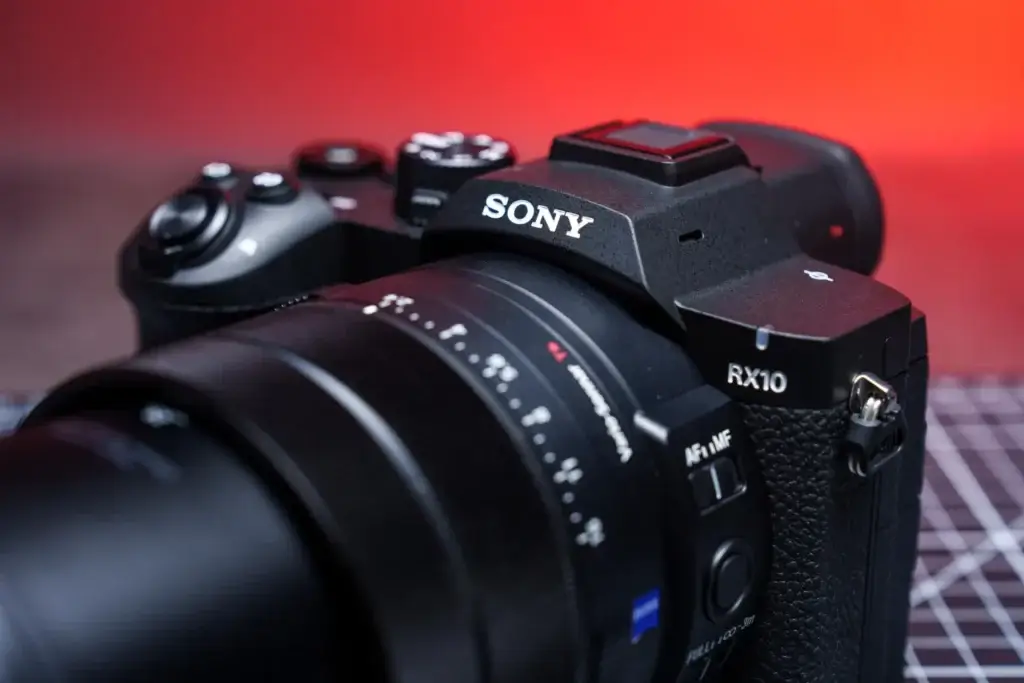
Of course, if you're used to full-frame cameras, you need to lower your expectations slightly when it comes to sharpness and resolution — a 1-inch type sensor is flexible, but it doesn't hold up to the same rigorous pixel resolution.
