

Valve has released official Windows drivers, allowing users to install Windows 11 on the Steam Machine compact PC . The move has sparked mixed reactions in the gaming community, with many questioning its necessity and feasibility, given the general aversion to Microsoft's operating system and the Steam Machine's technical limitations.
See also: Steam no longer officially supports Windows 7, 8, and 8.1

Windows 11 has been criticized for various bugs and performance issues. In particular, the integration of artificial intelligence features, which many gamers consider unnecessary, has created negative impressions. Installing such a demanding operating system on a device designed for a more lightweight Linux operating system seems paradoxical. The Steam Machine, with its underpowered hardware, no dedicated GPU and an integrated one based on older AMD technology, as well as 16GB of single-channel DDR5 memory, is not able to support the demands of a modern gaming PC.
In contrast, SteamOS, the default operating system for the Steam Machine, is lighter and more optimized for gaming. It offers better performance than Windows 11, as it is designed specifically to work with the Steam Machine hardware. Windows 11, as a larger and more general operating system, serves a variety of hardware and use cases, which can lead to poorer performance on low-powered components.
Installing Windows 11 on a Steam Machine can result in reduced performance, and its interface isn't designed for use with a TV and controller, unlike Big Picture Mode . While users can use Steam Big Picture Mode on Windows 11, Microsoft's Xbox feature isn't fully optimized for this purpose. This can be a problem for users who want to use their Steam Machine as a gaming console in their living room.
See also: Steam to end support for 32-bit Windows in 2026

The question that arises is: why would anyone choose to install Windows 11 on a Steam Machine? While SteamOS is designed for simplicity, many mainstream users may find Windows 11 more user-friendly, especially if they have experience troubleshooting Linux. If the Steam Machine is intended for regular computer use, installing Windows 11 could be a logical choice. Windows 11 offers a more familiar user experience for those familiar with the Microsoft ecosystem and its applications.
SteamOS acts as a Linux front-end for the Steam store, making it easy to play and purchase games. However, accessing games from other platforms like the Epic Games Store or GOG can be more complicated. While users can install Linux or open source versions of these launchers, it requires more effort than on Windows 11. This can be a significant barrier for users who want to access a wider range of games without having to resort to complicated workarounds.
Additionally, for players of online multiplayer games that use anti-cheat software, Windows 11 may be essential, as many anti-cheat tools do not support Linux, limiting gaming options on Steam Machine. This is especially important for gamers participating in competitive games, where the use of anti-cheat tools is essential to ensuring fairness and game integrity.
See also: Valve increases Steam Deck prices by over $200
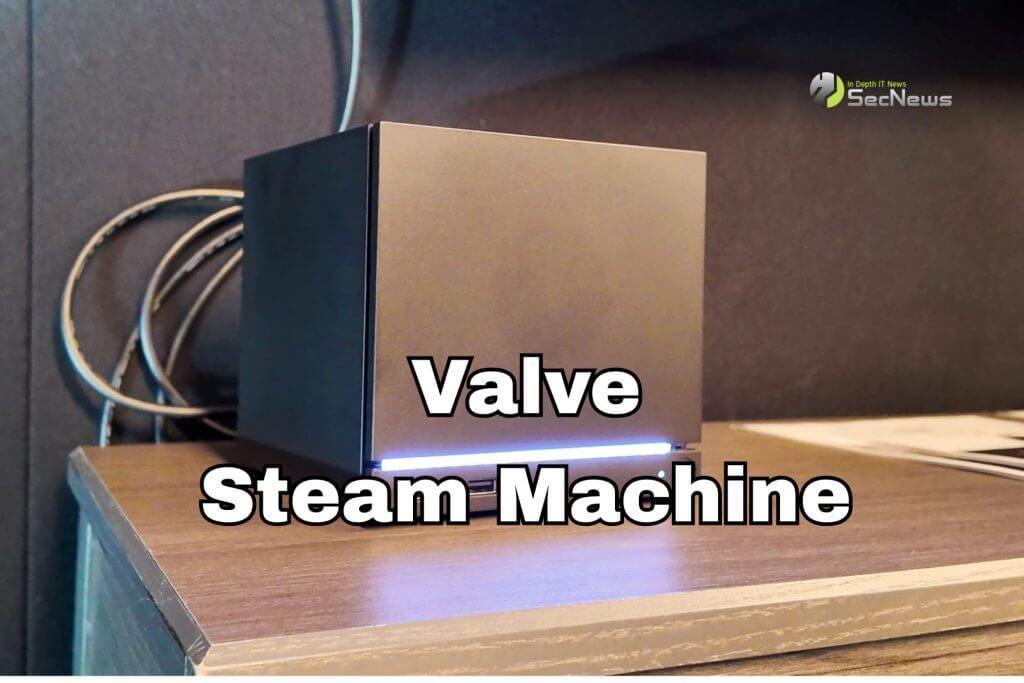
Overall, Valve's decision to allow Windows 11 to be installed on Steam Machines opens up new possibilities for users, but at the same time raises questions about performance and usability. While the flexibility offered by the ability to choose an operating system is positive, users should carefully weigh the pros and cons before deciding to install Windows 11 on their Steam Machine.
