

In an era of enterprise, employees now have the flexibility to work from remote locations. This means that the use of mobile devices is essential. And while this certainly increases productivity and efficiency, at the same time, companies are at risk of corporate information security. Also, the influx of corporate mobile devices and the plethora of platforms in the workplace makes things more complicated for businesses and it is even more difficult when employees are allowed to use their own devices.

What is information security?
Information, which can exist in any form, physical or electronic, is a valuable asset to a company. As the term suggests, Information Security is a set of defined and organized tools and procedures designed to protect sensitive corporate information from being stolen, modified, compromised, disclosed, altered, or destroyed.
A part of information risk management and commonly known as InfoSec, it secures critical information from unauthorized access, use, sharing, disclosure or deletion. In the event of an unfortunate security incident, InfoSec professionals are responsible for mitigating the impact of the threat or the risk it poses.
Why should companies care?
Information can be worth a trillion dollars to a company and losing it can cause irreparable damage to businesses. Unmanaged and disorganized information can be vulnerable to different types of threats such as computer malfunction, natural disasters or physical theft. InfoSec is a key component for IT security professionals who monitor and prevent risks to application security, data security, network security, physical security and computer security.
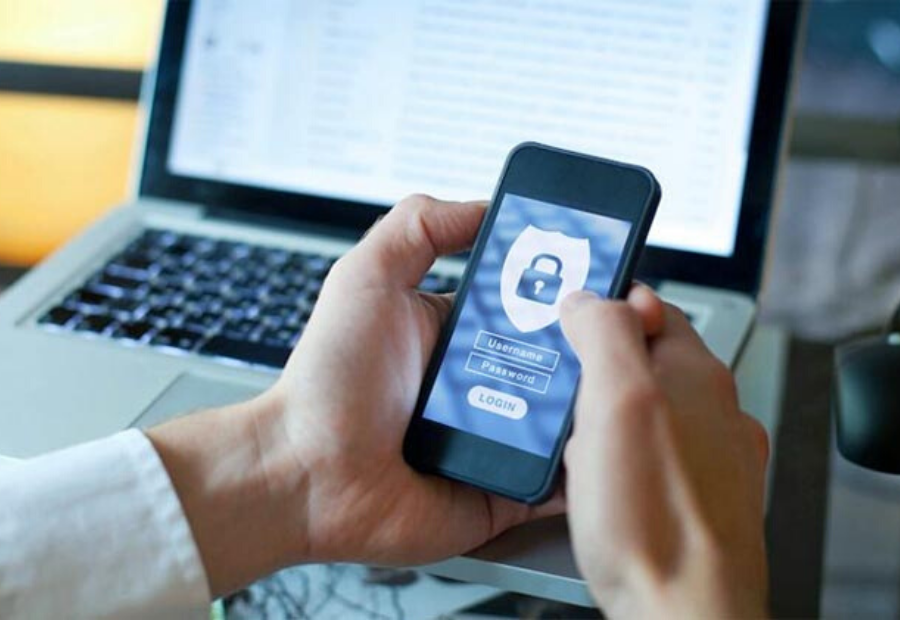
In fact, modern companies depend primarily on corporate electronic information stored on computers, IT systems and software, mobile devices, smartphones, tablets and other portable devices used by employees and managers. As companies have shifted their focus from physical assets to the digital landscape, threats to information have taken a cyber form. Increasing cyber attacks can cause significant damage to sensitive and critical information.
Besides, the increasing risks of data breaches have brought the importance of data protection to the forefront.
How does the user affect information security?
Given that corporate information resides on smartphones, tablets , and other mobile devices used for business purposes, it is important to know who owns and uses these devices. Also, how much control should the company have over the information stored on these devices, which are intended to be used in remote locations?
These are some questions that every company should resolve.
Finally, some information security risks to employee-owned devices can be:
- Data loss or misuse due to lost or stolen device
- Data abuse upon immediate departure of the employee
- Data can be corrupted due to unprotected browsing
- Indifference to security updates
- Access to unprotected Wi-Fi
For this reason, corporate devices are a better choice for information security.
