

It seems that the company has finally decided to take the problems presented by some of its updates seriously.
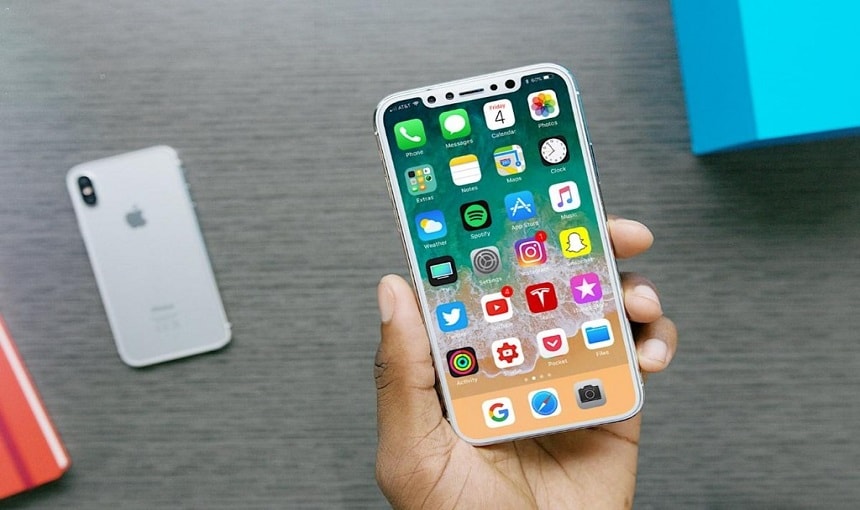 The company is making a significant shift in how it approaches its software updates, emphasizing reliability and stability and less on speed, according to a new report from Bloomberg.
Bloomberg reported that Apple, Craig Federighi, told engineers last month that they would have "more time to work on existing new features and focus on improvements, without having to deal with a list of new features on an annual basis."
This is the second report in as many weeks, suggesting that Apple will place a greater emphasis on reliability in iOS 12.
This is a significant departure from previous years, where engineers were forced to follow strict schedules that required them to have significant new features ready for Apple's new releases.
But that speed has been detrimental to the overall quality of iOS, some critics say, as evidenced by the unprecedented number of bugs in iOS 11 (not to mention the unusual design inconsistencies).
Bug reports have continued since its release, despite extensive beta testing programs for developers and the public. Here are some of the bugs Apple has addressed in less than six months since iOS 11 was released:
- A notifications bug that was so bad that Apple was forced to release the iOS 11.2 update unusually early
- An autocorrect bug that changed the letter “i” to “A [?]”
- Another autocorrect bug that changed “it” to “I.T.”
- An issue that caused phones to crash after receiving certain text messages
- An issue on the iPhone X where the phone does not work properly in low temperatures
- A bug that prevents some iPhone 7 phones from connecting to cellular networks
- A bug in the iPhone X that prevents phone calls from appearing correctly
- A Mail app bug that prevented some people with Microsoft email accounts from sending messages
While some bugs are to be expected with any major software release, these are all serious flaws that affect core iOS functionality. It's no wonder that iPhone and iPad owners aren't updating their software as often as they used to — only 65 percent of iOS users have updated to iOS 11, according to Apple's website, down from 79 percent last February. It's therefore clear why Apple is ready to start taking these bugs more seriously.
This new approach will come at the expense of some new iOS features. Apple has pulled updates originally planned for next year, including a redesigned home screen and updates to the Photos app, according to Bloomberg.
So while the next two major iOS updates will come with fewer flashy new features, they will be much more reliable than we've seen lately, which should be welcomed by all of the company's users.
